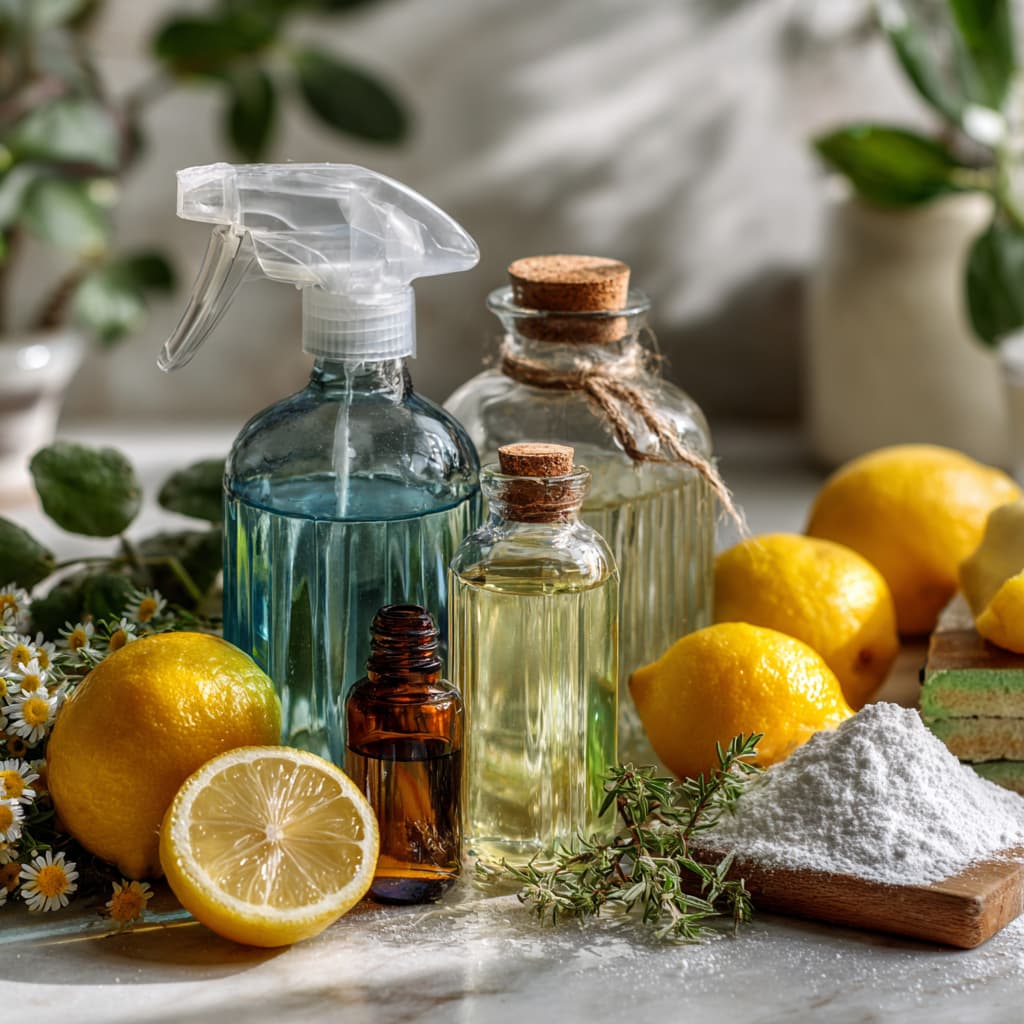

Safe, Simple & Effective DIY Cleaners for Every Room
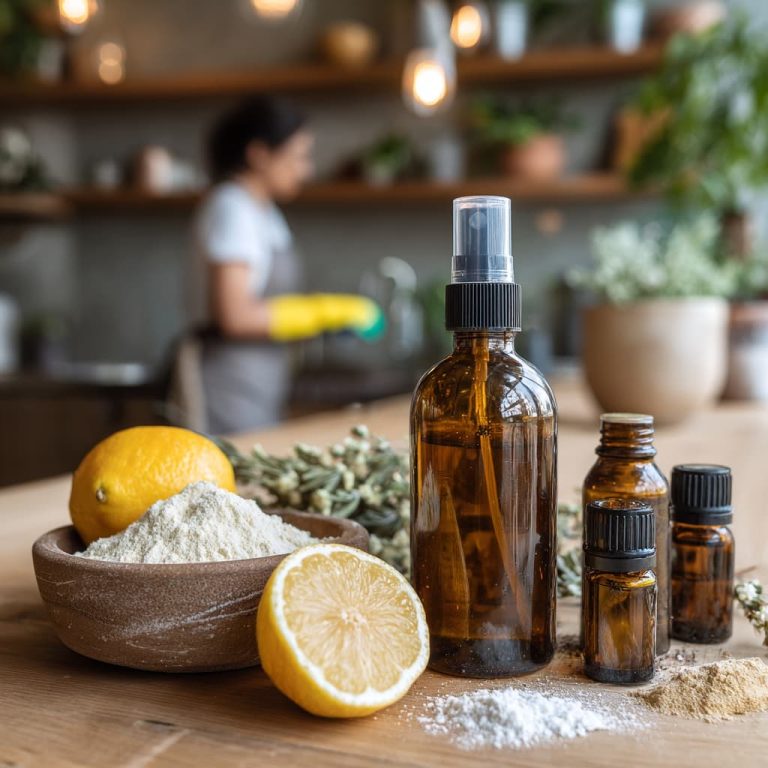
If you’re looking to ditch harsh chemicals and create a healthier home environment, DIY natural cleaning sprays are a great place to start. With just a few natural ingredients, most of which you probably already have, you can clean your kitchen, bathroom, and windows without exposing your family or pets to toxic fumes. Here are 5 easy, affordable, and non-toxic cleaning sprays that really work.
Many conventional cleaning products contain ingredients linked to respiratory irritation and hormone disruption, which is why organizations like the Environmental Working Group (EWG) encourage safer, non-toxic alternatives.
1. All-Purpose Citrus Cleaner
Best for: Kitchen counters, tiles, sinks, and general surfaces
Why it works: White vinegar cuts through grease and kills bacteria, while citrus peels add natural oils and a refreshing scent.
Ingredients:
- Peels from 2–3 lemons or oranges
- 1 cup white vinegar
- 1 cup water
Instructions:
Place citrus peels in a glass jar and cover with vinegar. Let sit for 5-7 days. Strain the liquid and mix it with an equal part of water in a spray bottle. Shake before use.
Note: Avoid using on natural stone (marble, granite) as vinegar can damage it.
Start small but powerful routines with these Daily Wellness Habits.
2. Antibacterial Tea Tree Spray
Best for: Bathroom surfaces, door handles, light switches
Why it works: Tea tree oil has natural antifungal and antibacterial properties.
Ingredients:
- 2 cups distilled water
- 1 tablespoon castile soap (optional)
- 15 drops tea tree essential oil
- 10 drops lemon essential oil (optional)
Instructions:
Combine all ingredients in a spray bottle. Shake before each use. Spray and let sit for a minute before wiping clean.
3. Glass & Mirror Cleaner
Best for: Windows, mirrors, glass stovetops
Why it works: Vinegar and alcohol evaporate quickly and clean without streaks.
Ingredients:
- 1/2 cup white vinegar
- 1/2 cup rubbing alcohol
- 1 tablespoon cornstarch (optional, for shine)
- 1 cup distilled water
Instructions:
Mix all ingredients in a spray bottle. Shake well before each use (especially if using cornstarch). Spray lightly and wipe with a microfiber cloth.
4. Disinfecting Lavender Spray
Best for: Nursery surfaces, yoga mats, bedroom furniture
Why it works: Lavender is soothing and has mild antibacterial properties; alcohol helps disinfect.
Ingredients:
- 3/4 cup distilled water
- 1/4 cup rubbing alcohol or vodka
- 15 drops lavender essential oil
Instructions:
Combine in a spray bottle. Shake before use. Ideal for refreshing linens or lightly disinfecting surfaces.
Take care of your clothes and the planet with Eco-Friendly Laundry Hacks.
5. Kitchen Degreaser with Baking Soda
Best for: Stovetops, greasy backsplashes, kitchen sinks
Why it works: Baking soda lifts grease, while lemon essential oil breaks it down further.
Ingredients:
- 1 tablespoon baking soda
- 1 cup warm water
- 1 tablespoon castile soap
- 10 drops lemon essential oil
Instructions:
Mix everything in a bottle. Spray on greasy areas, let sit for 5 minutes, then scrub and rinse.
Learn how to cut waste in your kitchen with our Zero-Waste Kitchen Guide.
Tips for Success:
- Use distilled water for longer shelf life
- Label your bottles with names and date
- Store in a cool, dark place
- Shake well before each use
For mold-prone areas like showers and grout, explore our natural mildew removal guide with step-by-step remedies.
Frequently Asked Questions
Q1: Are DIY cleaning sprays as effective as store-bought ones?
A: Yes, for everyday cleaning tasks like countertops, glass, and light disinfecting, natural sprays made with vinegar, baking soda, and essential oils can be very effective—without the toxic residue.
Q2: Can I use vinegar-based cleaners on all surfaces?
A: No. Vinegar should not be used on natural stone surfaces like granite or marble, as it can cause etching. For those, opt for a castile soap-based cleaner.
Q3: How long do homemade cleaning sprays last?
A: Most sprays last 1–2 weeks when stored in a cool, dark place. If made with distilled water and no fresh fruit, they may last up to a month. Always check for changes in smell or appearance.