
The kitchen is often called the heart of the home, but it’s also the single largest source of household waste. From plastic packaging and disposable containers to uneaten leftovers, the modern kitchen generates an enormous amount of unnecessary trash every day. Fortunately, a zero-waste kitchen isn’t about being perfect or producing absolutely no garbage. Instead, it’s about progress: making conscious choices, reducing what you throw away, and developing habits that protect both your health and the planet. This comprehensive beginner’s guide will walk you through everything you need to know to start your journey, from simple swaps to long-term strategies.
1. What Does Zero-Waste Mean in the Kitchen?
Zero-waste is a philosophy rooted in the 5 Rs: Refuse, Reduce, Reuse, Recycle, and Rot.
- Refuse: Say no to single-use items, like free plastic cutlery or straws, that you don’t truly need.
- Reduce: Limit unnecessary consumption and cut down on overbuying food.
- Reuse: Switch from disposable items to reusable ones, such as cloth napkins and glass jars.
- Recycle: Responsibly recycle glass, paper, and metal when alternatives aren’t available.
- Rot: Compost food scraps so they return to the earth instead of ending up in landfill.
Why start in the kitchen? Because it’s where we interact with food daily, and small changes, like choosing bulk over packaged foods, can create immediate results.
2. The Biggest Sources of Kitchen Waste
To create a zero-waste kitchen, it helps to know the biggest offenders:
- Plastic packaging: Single-use bags, wrappers, and trays that rarely get recycled.
- Food waste: Spoiled produce, forgotten leftovers, or overcooked meals.
- Single-use items: Cling film, paper towels, coffee pods, disposable plates and cups.
- Overbuying: Buying more than you can realistically use before it goes bad.
The average household throws away pounds of food and plastic every week. Tackling even one of these areas can make a visible difference in both your trash can and your grocery bill.
According to the Food and Agriculture Organization (FAO), roughly 1.3 billion tons of food are wasted globally every year, representing about one-third of all food produced for human consumption.
3. First Steps: Easy Zero-Waste Swaps
The best way to begin is with simple, realistic swaps:
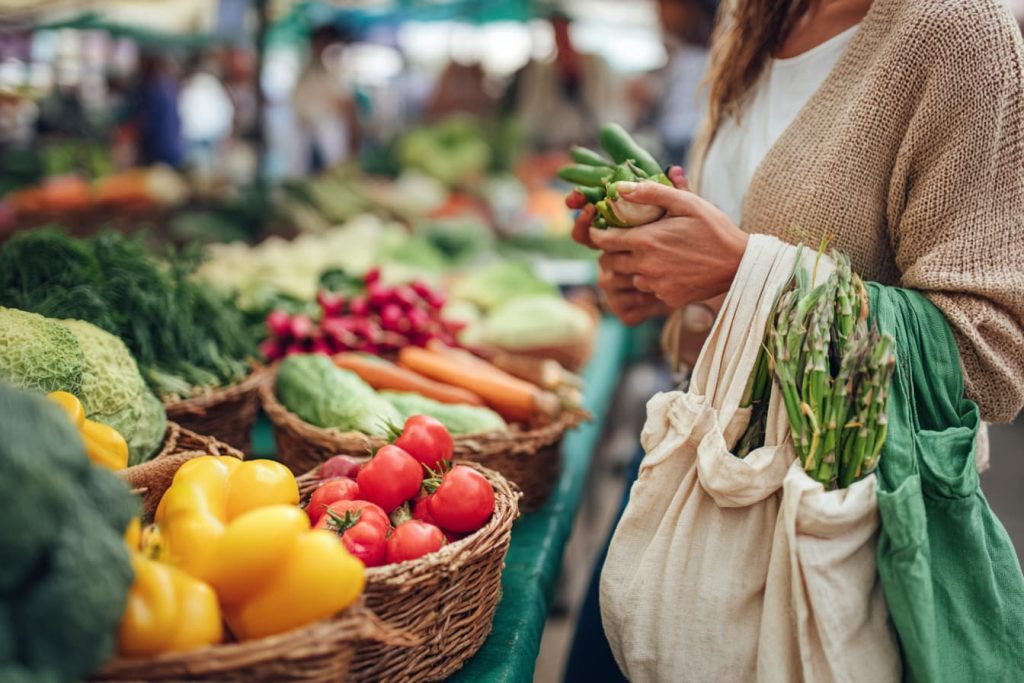
- Reusable shopping bags & produce bags: Keep a few cloth or mesh bags by the door or in your car so you never forget them.
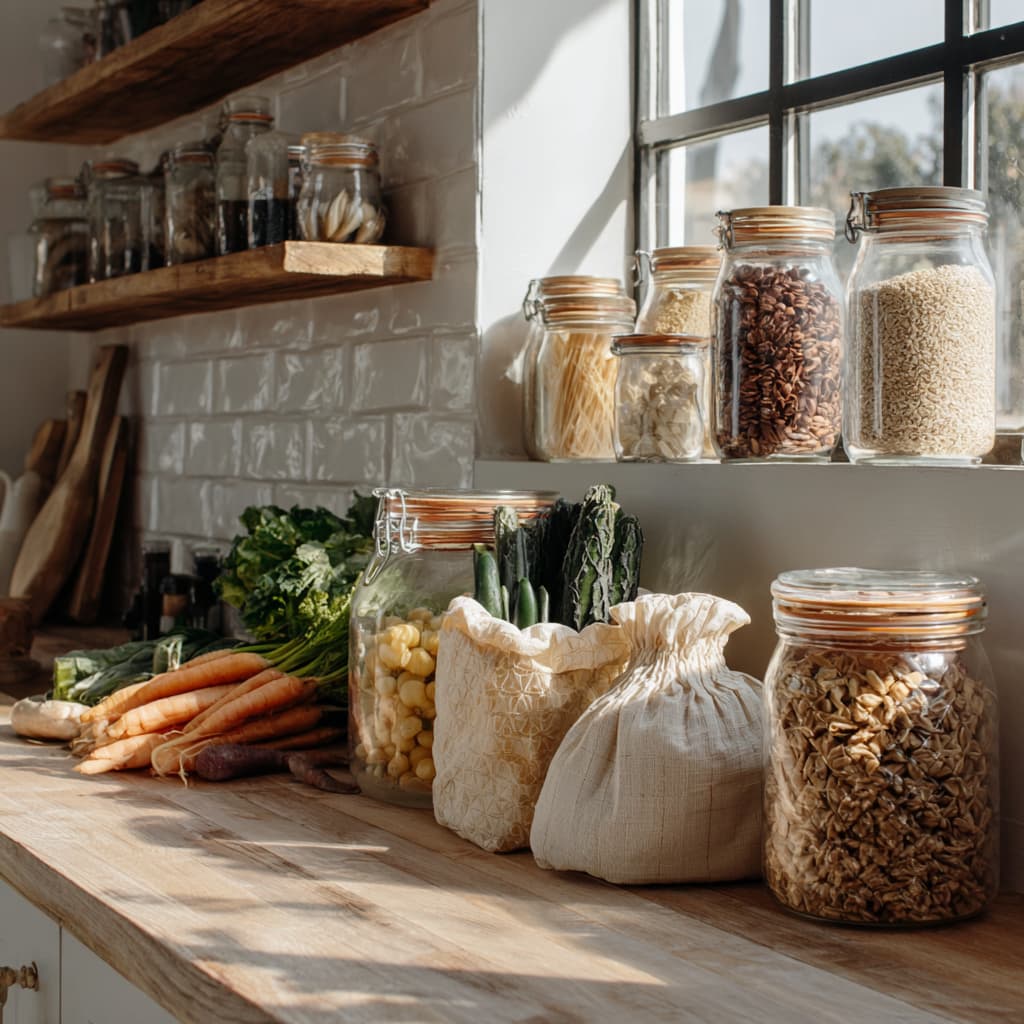
- Glass jars and containers: Use them for bulk foods, leftovers, and even freezer storage. They last for years and eliminate plastic containers.
- Beeswax wraps: Replace plastic cling film with reusable wraps made from cotton and beeswax. They mold around food and can be washed and reused for months.
- Reusable coffee filters & tea infusers: Switch from disposable pods and bags to stainless steel or cloth versions.
- Cloth napkins & towels: A set of cotton cloths or microfiber towels will replace hundreds of paper towels every year.
Small swaps reduce waste dramatically over time, and most also save money.
4. Smart Grocery Shopping
Zero-waste living starts before food even reaches your kitchen. Adopting smarter shopping habits is one of the most effective ways to reduce waste:
- Plan weekly meals: Write down what you’ll cook and shop only for what you need.
- Buy in bulk: Grains, beans, pasta, nuts, and seeds often come with refill options and less packaging.
- Choose seasonal & local produce: Fresher produce lasts longer, and buying local supports farmers and reduces transportation emissions.
- Bring your own containers: Many stores and markets allow you to refill jars with grains, oils, or spices.
- Avoid impulse buys: Stick to your list to prevent food spoilage and unnecessary packaging.
Even shifting 20% of your shopping to bulk or local items will reduce waste significantly.
5. Cooking & Storage the Zero-Waste Way
How you cook and store food has a major impact on waste:
- Cook with the whole vegetable: Don’t toss broccoli stems, slice them for stir-fries. Carrot tops make great pesto, and potato skins crisp into chips.
- Repurpose scraps: Save veggie peels, onion skins, and herb stems in a freezer bag to make broth. Use overripe fruit in smoothies or banana bread.
- Ferment & pickle: Turn cucumbers, cabbage, or beets into delicious ferments that preserve food and add probiotics.
- Freeze efficiently: Glass jars and silicone bags are perfect for freezing. Always label with the date to avoid forgotten items.
- Batch cook: Prepare meals in advance to ensure food gets eaten instead of wasted.
Zero-waste cooking not only prevents waste but also inspires creativity in the kitchen.
6. Managing Food Scraps: Composting 101
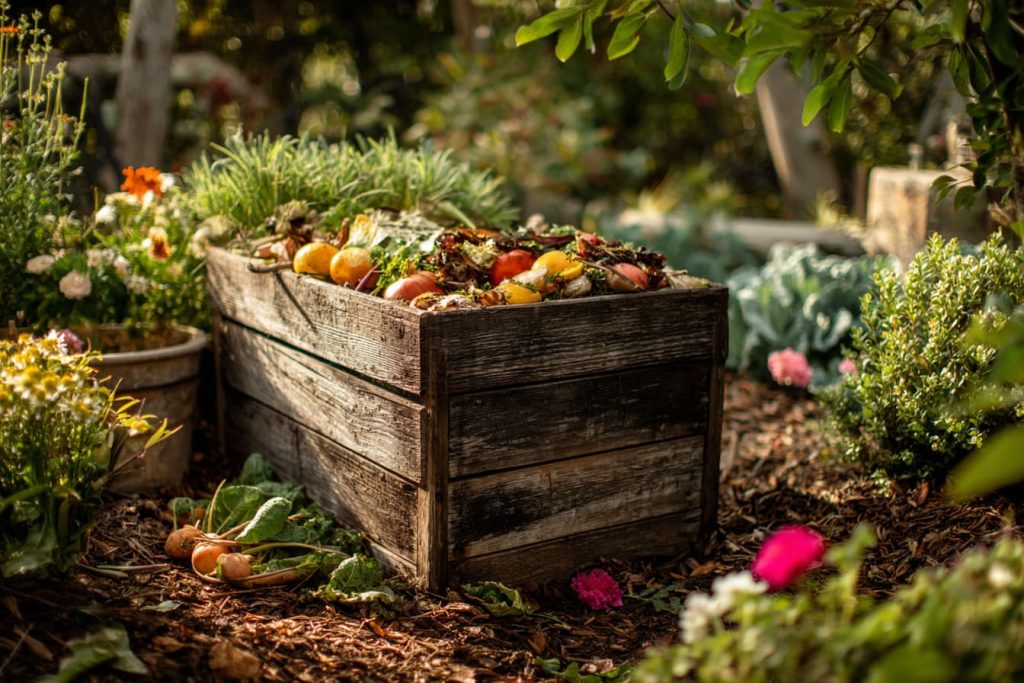
Composting transforms kitchen waste into a valuable resource:
- What to compost: Fruit and veggie scraps, coffee grounds, tea leaves, eggshells, nutshells.
- What to avoid: Meat, dairy, oily foods, and plastics (even if labeled biodegradable).
- Indoor options: Countertop compost bins, bokashi fermentation, or worm composting. These are perfect for apartments.
- Outdoor composting: Traditional bins or piles for larger spaces.
By composting, you reduce methane emissions from landfills and create rich soil for gardens, herbs, and houseplants.
For real-life inspiration, Zero Waste Chef shares how she diverts nearly all her kitchen scraps through composting and creative cooking: zerowastechef.com
7. Zero-Waste Dishwashing & Cleaning
Cleaning routines can generate hidden waste, but eco-friendly habits are easy to adopt:
- Natural cleaners: Vinegar, baking soda, and lemon are safe, affordable, and effective on almost every surface.
- Compostable sponges & brushes: Loofah, coconut fiber, or wooden brushes last longer and can be composted at the end of life.
- Reduce water waste: Run a full dishwasher cycle instead of half loads. When hand washing, fill the sink instead of letting water run.
- Reusable cloths: Keep a stack of washable cloths to replace disposable wipes and paper towels.
These swaps reduce toxins in your home while lowering environmental impact.
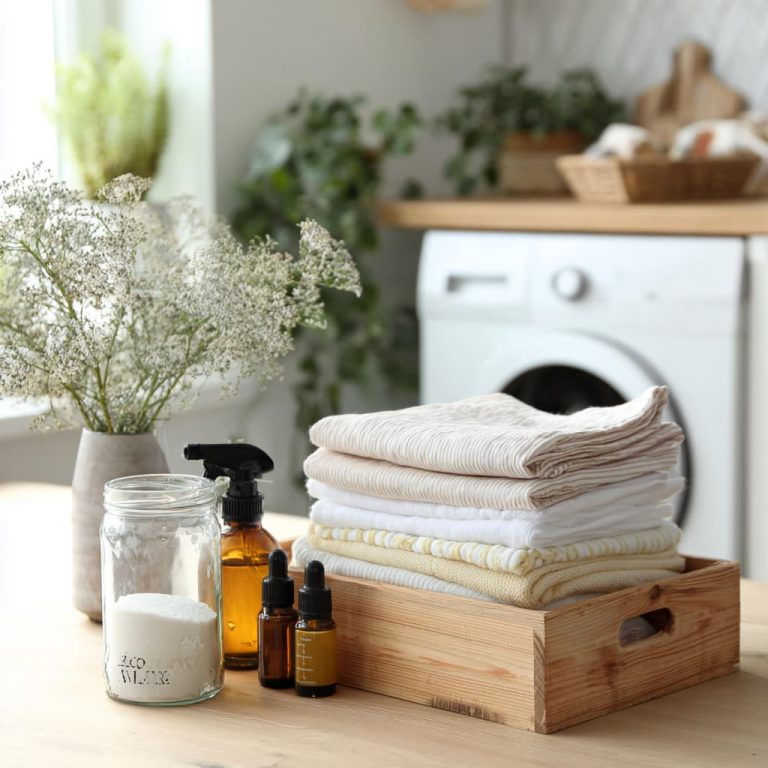
Choosing natural cleaning products is another important step toward a zero-waste lifestyle. In the kitchen, simple ingredients like baking soda and vinegar can replace many conventional cleaners. See our full guide to natural kitchen cleaning for practical tips and DIY recipes.
8. Zero-Waste Kitchen Tools to Invest In
Certain tools make the transition smoother and save money over time:
- Mason jars & glass containers: Ideal for dry goods, leftovers, and homemade sauces.
- Stainless steel or cast-iron cookware: Durable and safe, lasting decades if cared for.
- Water filter systems: Replace bottled water with a filter pitcher or under-sink filter.
- Quality knives: Sharp knives reduce waste by making food prep easier and more precise.
- Reusable baking mats: Silicone mats replace parchment paper, foil, and disposable liners.
- Cloth produce bags: Washable mesh bags for fruits and vegetables.
Think of these as long-term investments that pay off financially and environmentally.
9. Benefits of a Zero-Waste Kitchen
The advantages of a zero-waste kitchen extend beyond the obvious:
- Save money: Buying bulk, preserving food, and reusing containers cut grocery costs significantly.
- Healthier cooking: Less reliance on processed foods packaged in plastic, fewer toxins from chemicals in disposable products.
- Organized, clutter-free space: Reusable storage creates a streamlined kitchen.
- Environmental impact: Every step reduces landfill waste, carbon emissions, and plastic pollution.
- Empowerment: Knowing you’re actively making a difference fosters a sense of purpose and satisfaction.
The U.S. Environmental Protection Agency (EPA) estimates that food waste makes up over 20% of municipal solid waste, making kitchens one of the top places to start reducing impact.
For more real-world examples of people living waste-free, check out Bea Johnson’s Zero Waste Home: zerowastehome.com
10. Beginner’s Checklist
A handy list to keep on your fridge or pantry door:
- ✔ Bring reusable shopping bags.
- ✔ Store food in glass jars or stainless steel containers.
- ✔ Compost food scraps regularly.
- ✔ Replace cling film with beeswax wraps.
- ✔ Plan meals weekly to avoid food waste.
- ✔ Buy bulk and seasonal produce whenever possible.
- ✔ Swap paper towels for cloth towels.
- ✔ Use natural cleaners instead of toxic chemicals.
Creating a zero-waste kitchen is a journey, not a destination. You don’t have to change everything overnight—in fact, the most lasting results come from gradual, sustainable shifts. Start with one habit, like composting or bringing reusable bags, and add more over time. As these changes become second nature, you’ll notice your trash shrinking, your food lasting longer, and your kitchen becoming a healthier and more inspiring place to cook. Every small step adds up, and your kitchen can be a powerful starting point for a more sustainable lifestyle.
FAQ
Q1: Is a zero-waste kitchen expensive to set up?
A: No. Many zero-waste swaps save money in the long run. For example, reusable containers and bulk foods are cheaper over time compared to constantly buying packaged goods.
Q2: Can I start zero-waste if I live in a small apartment?
A: Absolutely. Many practices, such as composting with a bokashi bin, using reusable jars, or meal planning, work well even in compact kitchens.
Q3: What is the easiest first step toward a zero-waste kitchen?
A: Begin with a simple swap, like replacing plastic shopping bags with reusable ones, or saving veggie scraps for broth instead of throwing them away.
Q4: Does zero-waste cooking take more time?
A: Not necessarily. Meal planning and proper storage often save time and reduce stress. Zero-waste cooking is more about intentional habits than extra effort.
Q5: What if I can’t find bulk stores near me?
A: Focus on what’s available: buy larger package sizes, choose glass over plastic, support local farmers’ markets, and reduce food waste through better storage.
Q6: How much food is wasted globally each year?
A: According to the Food and Agriculture Organization (FAO), around 1.3 billion tons of food are wasted globally each year – about one-third of all food produced for human consumption.
Q7: Why focus on the kitchen for zero-waste living?
A: The U.S. Environmental Protection Agency (EPA) estimates that food waste makes up over 20% of municipal solid waste. Since most waste originates in the kitchen, it’s the best place to begin reducing impact.
Related reading:
If you enjoyed this guide, you may also like these practical articles:
- 5 Non-Toxic DIY Natural Cleaning Sprays – Easy recipes for a healthier home.
- Eco-Friendly Laundry Hacks: Wash Clothes Without Harsh Chemicals – Natural ways to care for your clothes.
Each step in your zero-waste journey counts. Explore more tips and inspiration to create a healthier, greener home.