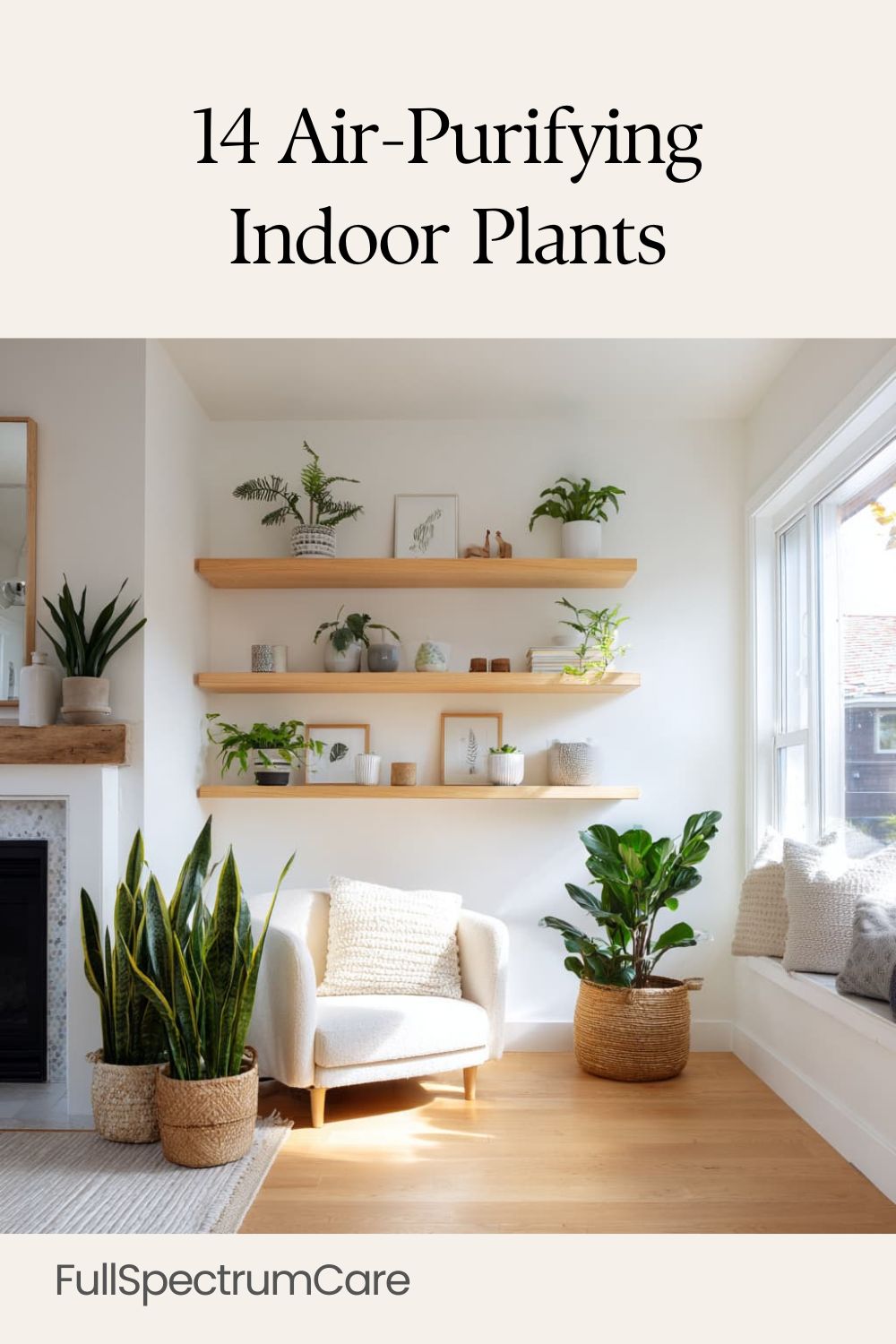

Indoor air quality has a huge impact on our health and overall well-being. Everyday household items like furniture, cleaning products, and synthetic fragrances can release volatile organic compounds (VOCs) that linger in the air. One of the easiest and most beautiful ways to improve your home environment is by adding air-purifying indoor plants. According to the NASA Clean Air Study, certain plants are especially effective at removing toxins and supporting a fresher, healthier indoor space.
In this guide, you’ll discover the best air-purifying houseplants, where to place them, and how to use them to create a calm, clean, non-toxic home.
Do Indoor Plants Really Purify the Air?
Yes, but with realistic expectations. Indoor plants help reduce indoor pollutants by absorbing chemicals like benzene, formaldehyde, and xylene through their leaves and roots. They also:
- Increase humidity in dry spaces
- Reduce dust levels
- Improve mental clarity and emotional well-being
While air-purifying indoor plants alone cannot replace proper ventilation, they play a meaningful role in improving air quality naturally.
Best air-Purifying Indoor Plants
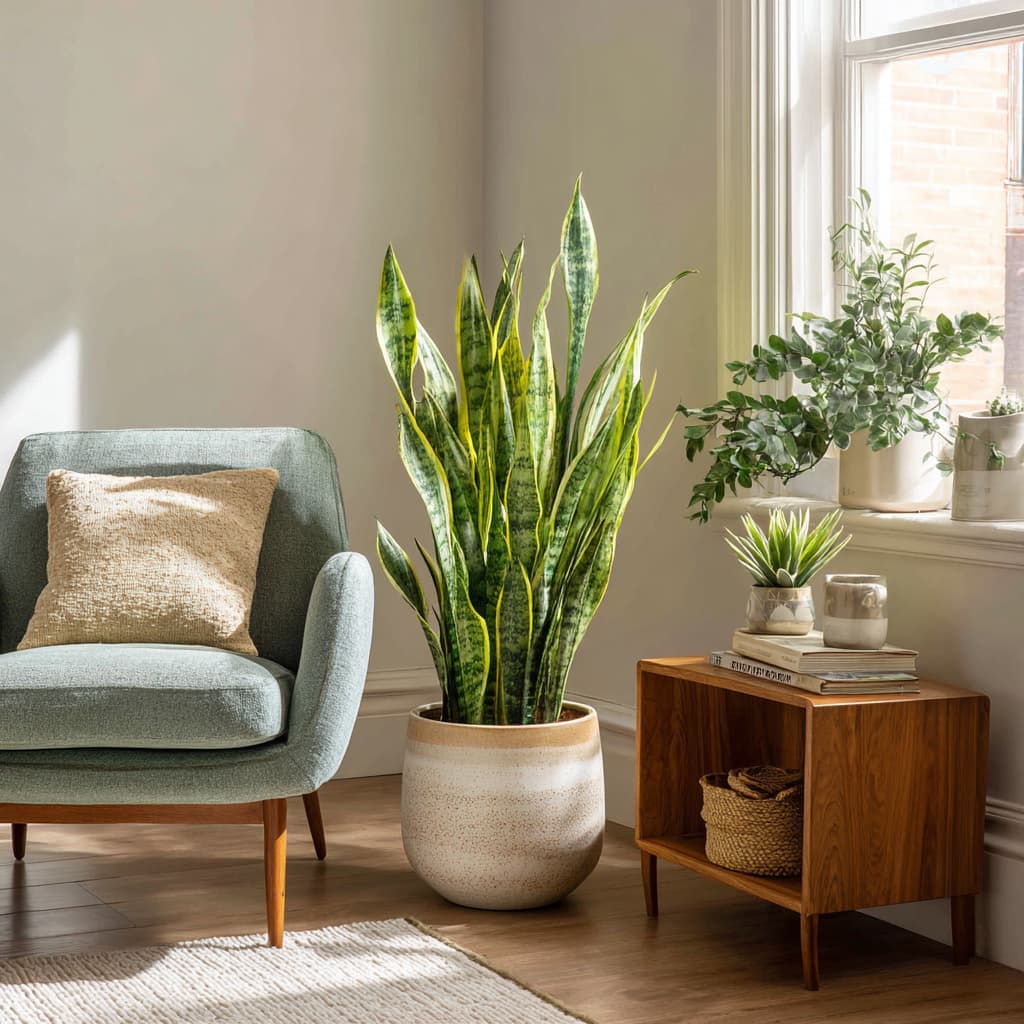
Below are some of the most effective, low-maintenance air-purifying plants. Pet safety varies by species, see the comparison table below for full details.1. Snake Plant (Sansevieria)
- Filters benzene, formaldehyde, trichloroethylene
- Extremely low maintenance
- Releases oxygen at night, making it ideal for the bedroom
Place in: bedrooms, hallways, low-light areas
2. Peace Lily
- Removes mold spores from the air
- Thrives in high humidity — perfect for bathrooms
- Helps neutralize VOCs from cleaning products
Place in: bathrooms, entryways, darker corners
3. Spider Plant (Chlorophytum)
- Safe for homes with pets
- Great for eliminating carbon monoxide
- Very resilient and beginner-friendly
Place in: kitchens, living rooms, hanging planters
4. Pothos (Devil’s Ivy)
- Absorbs benzene and toluene
- Grows well in low or artificial light
- Excellent trailing plant for shelves
Place in: offices, bookshelves, kitchens
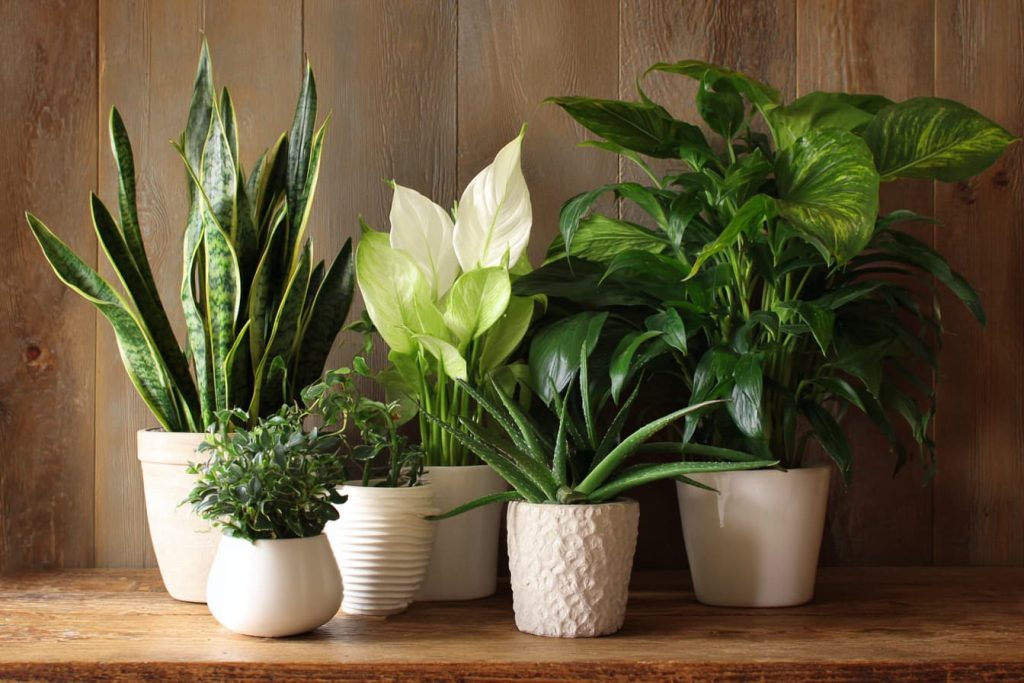
5. Aloe Vera
- Removes formaldehyde and VOCs released from detergents
- Offers natural antibacterial properties
- Minimal watering required
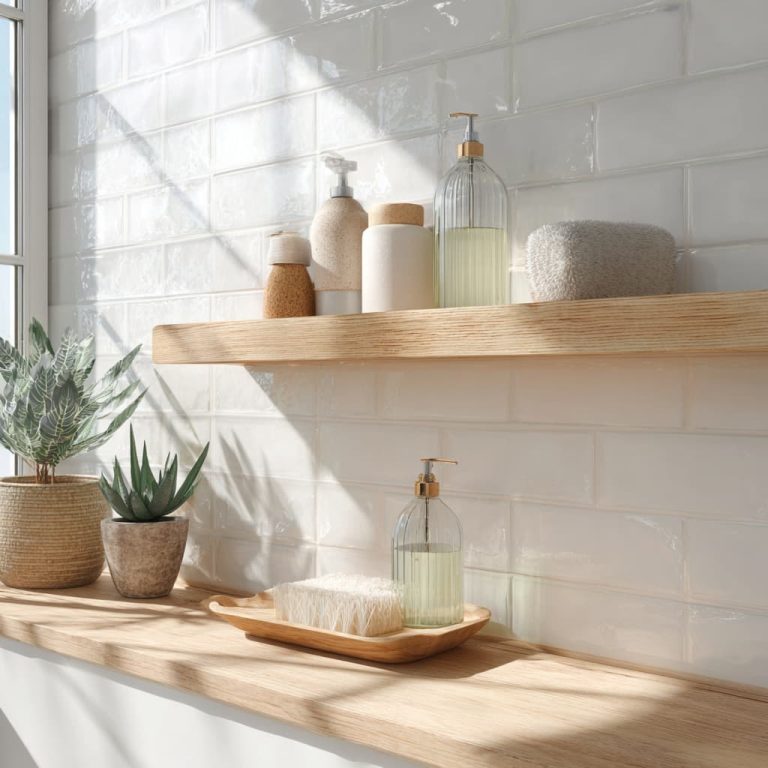
Place in: bathrooms, kitchens, sunny windows
6. English Ivy
- Excellent for reducing mold spores
- Can grow as a hanging or climbing plant
- Great for improving air quality in damp spaces
Place in: bathrooms, laundry rooms
7. Rubber Plant (Ficus Elastica)
- Strong air purifier for larger spaces
- Absorbs chemicals released from paints and furniture
- Increases indoor humidity naturally
Place in: living rooms, wide hallways
8. Areca Palm
- Top natural humidifier plant
- Filters toxins from furniture varnish and wall paint
- Adds a tropical, calming feel to any space
Place in: living rooms, bedrooms, large spaces
9. Boston Fern
- Excellent for balancing indoor humidity
- Effective against formaldehyde
- Enjoys cooler, moist environments
Place in: bathrooms, near windows with indirect light
10. ZZ Plant (Zamioculcas zamiifolia)
- Extremely low-maintenance
- Tolerates low light and irregular watering
- Helps reduce indoor toxins such as xylene and toluene
Place in: offices, hallways, low-light corners
11. Dracaena (Multiple Varieties)
- Excellent at removing benzene, trichloroethylene, and formaldehyde
- Comes in beautiful tall varieties that add height to rooms
Place in: living rooms, bedrooms
12. Philodendron (Heartleaf or Large Varieties)
- Very efficient at absorbing VOCs from paints and furniture
- Fast-growing and easy to care for
Place in: living rooms, bookshelves, hanging planters
13. Chinese Evergreen (Aglaonema)
- Thrives in low light and humid environments
- Removes multiple indoor toxins
Place in: bathrooms, bedrooms, low-light areas
14. Kimberly Queen Fern
- Great for increasing humidity and reducing airborne particles
- More resilient than Boston Fern
Place in: bright bathrooms, near east-facing windows
How Many Plants Do You Need for Cleaner Air?
Based on NASA’s research, aim for one medium-sized plant per 9–10 square meters to notice meaningful changes.
Suggested placement:
- Bedroom: snake plant, aloe vera
- Bathroom: peace lily, English ivy
- Kitchen: aloe vera, pothos
- Living room: rubber plant, areca palm
Extra Tips for Better Indoor Air Quality
Pair your plants with clean, natural home habits:
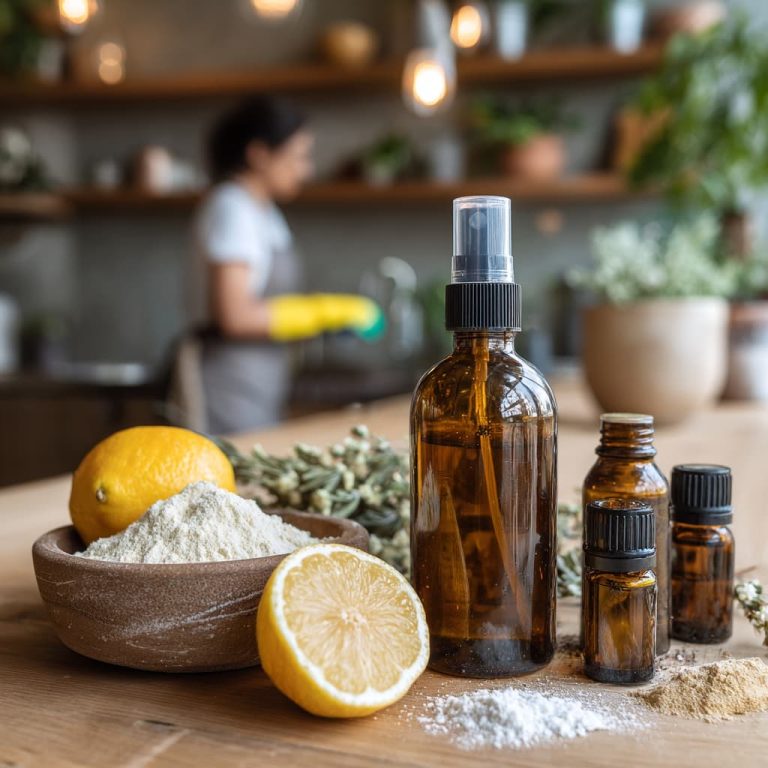
- Use non-toxic cleaning sprays (make your own DIY natural cleaner)
- Avoid synthetic candles and heavy fragrances
- Ventilate daily, even in winter
- Balance humidity between 45–55%
- Add natural home scents like simmer pots or essential oil diffusers
Creating a healthier indoor environment becomes especially important as we spend more time inside during the colder months. These small changes can be part of a broader autumn wellness routine focused on grounding and nourishment.
When air-Purifying Indoor Plants Are Not Enough
If you experience persistent odors, mold, or chemical smells, plants can support but not replace deeper solutions. Consider:
- Fixing humidity issues
- Using natural mold-removal methods (link to internal article)
- Switching to non-toxic cleaning products
- Improving airflow and ventilation
Indoor plants are more than just beautiful decor, they’re natural air purifiers that help create a healthy, calming home environment. Whether you’re looking to reduce toxins, improve humidity, or simply bring more life into your space, these air-purifying indoor plants offer powerful benefits with minimal maintenance.
Improving indoor air quality also goes hand in hand with non-toxic kitchen habits, including the cleaning products and dishwashing solutions we use every day.
Air-Purifying Indoor Plants Care & Safety Table
| Plant | Light | Water | Humidity | Pet-Friendly? | Air-Purifying Strength |
|---|---|---|---|---|---|
| Snake Plant | Low–Bright Indirect | Very Low | Low | ❌ | ⭐⭐⭐⭐⭐ |
| Peace Lily | Low–Medium | Medium | High | ❌ | ⭐⭐⭐⭐⭐ |
| Spider Plant | Bright Indirect | Low–Medium | Medium | ✔️ | ⭐⭐⭐⭐ |
| Pothos | Low–Medium | Low | Low–Medium | ❌ | ⭐⭐⭐⭐ |
| Aloe Vera | Bright Direct | Very Low | Low | ❌ | ⭐⭐⭐ |
| English Ivy | Medium | Medium | High | ❌ | ⭐⭐⭐⭐⭐ |
| Rubber Plant | Medium–Bright Indirect | Medium | Low–Medium | ❌ | ⭐⭐⭐⭐⭐ |
| Areca Palm | Bright Indirect | Medium | High | ✔️ | ⭐⭐⭐⭐⭐ |
| Boston Fern | Indirect Light | High | High | ✔️ | ⭐⭐⭐⭐ |
| ZZ Plant | Low–Medium | Very Low | Low | ❌ | ⭐⭐⭐ |
| Dracaena | Medium | Medium | Low–Medium | ❌ | ⭐⭐⭐⭐⭐ |
| Philodendron | Medium Indirect | Medium | Low–Medium | ❌ | ⭐⭐⭐⭐ |
| Chinese Evergreen (Aglaonema) | Low–Medium | Medium | Medium–High | ❌ | ⭐⭐⭐⭐ |
| Kimberly Queen Fern | Indirect Light | High | High | ✔️ | ⭐⭐⭐⭐ |
FAQ: Air-Purifying Indoor Plants
1. Are air-purifying indoor plants enough to clean the air in my home?
Air-purifying indoor plants can reduce certain indoor pollutants, add humidity, and make your space feel fresher, but they cannot fully replace good ventilation and healthy home habits. For best results, combine plants with regular airing out, non-toxic cleaning products, and humidity control.
2. Which air-purifying indoor plants are safe for homes with pets?
Some popular air-purifying plants, such as spider plant, areca palm, and Boston fern, are generally considered more pet-friendly than others. However, many common houseplants, including pothos, philodendron, peace lily, and snake plant, can be toxic if ingested. Always check a trusted pet-safety resource or consult your vet if you are unsure.
3. How many air-purifying plants do I need per room?
A simple guideline based on NASA’s research is to aim for about one medium-sized air-purifying plant per 9–10 square meters. In practice, this usually means two or three plants in a small room and several more in a larger living room. Even a few well-placed plants can help improve indoor air quality.
4. Can air-purifying indoor plants help with mold and mildew?
Some air-purifying indoor plants, such as peace lily and English ivy, can help absorb excess moisture and reduce mold spores in the air, especially in humid rooms like bathrooms or laundry spaces. However, they will not remove visible mold on walls or ceilings. For existing mold problems, proper cleaning and, if needed, professional treatment are required.
5. Are air-purifying plants high-maintenance?
Many of the best air-purifying indoor plants, including snake plant, ZZ plant, pothos, and dracaena, are low-maintenance and suitable for beginners. They tolerate a range of light conditions and do not need frequent watering, making them ideal if you want cleaner air without a demanding care routine.