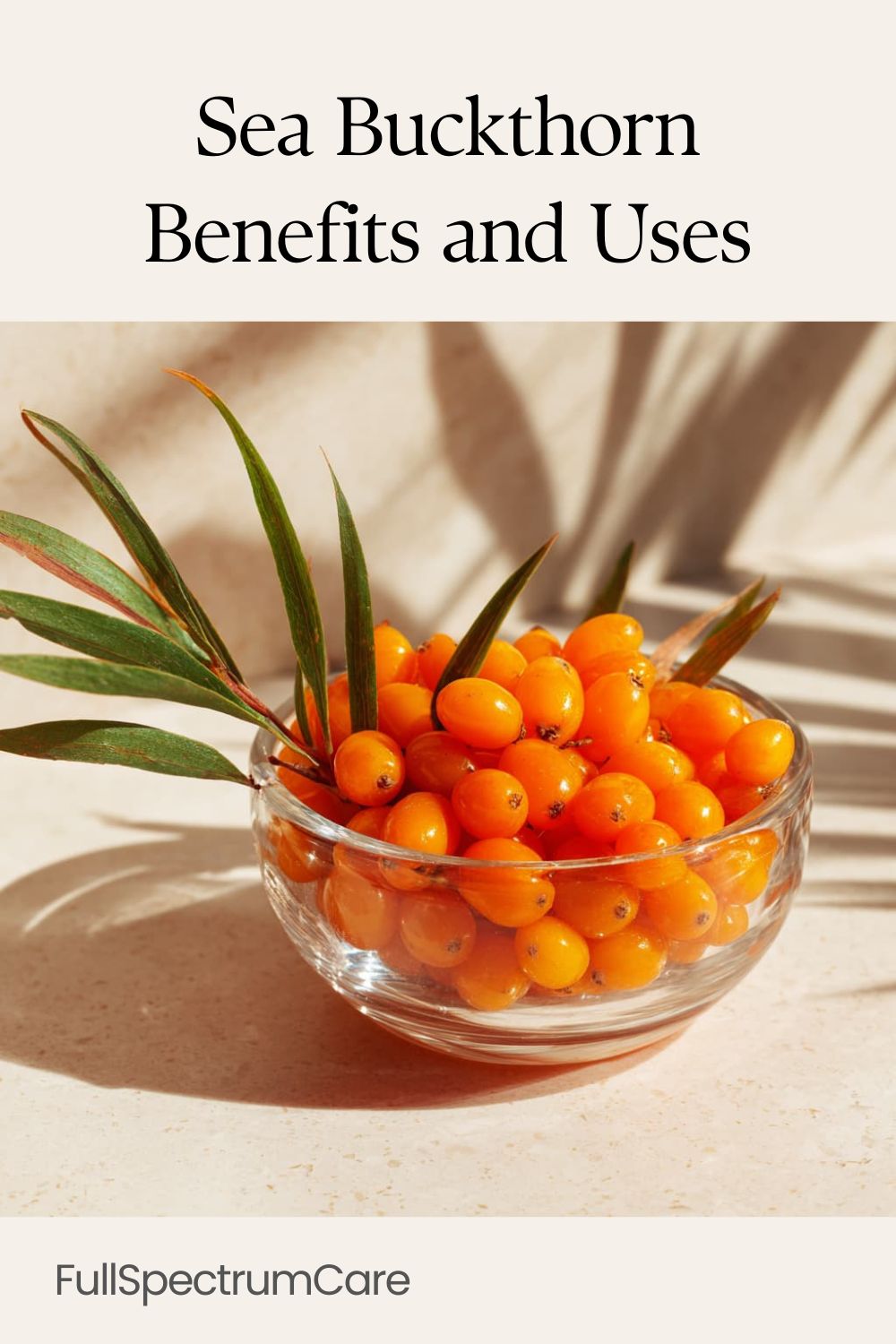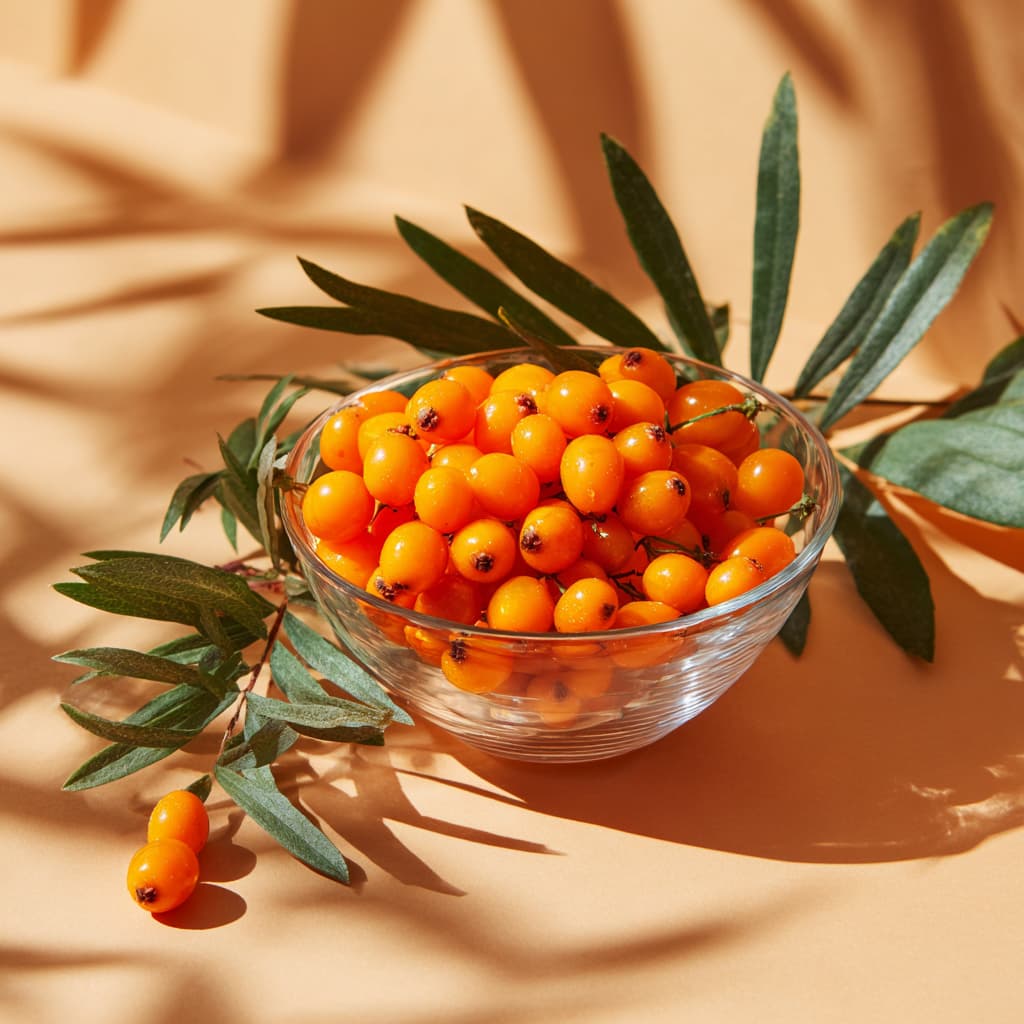

This vibrant orange berry is often called “nature’s universal remedy”, and for a good reason.
Rich in vitamins, antioxidants, and essential fatty acids, sea buckthorn offers a wide range of sea buckthorn benefits that help the body maintain balance, vitality, and overall health
From skin regeneration to digestion, immunity, cardiovascular support, and even emotional wellbeing — sea buckthorn is one of the most versatile natural healing plants.
What Makes Sea Buckthorn So Powerful?
Sea buckthorn oil is one of the richest natural sources of:
- Vitamins A, C, E, K
- Omega 3, 6, 7, and 9
- Carotenoids (lycopene, zeaxanthin)
- Minerals & amino acids
- Folic acid
- Superoxide dismutase (SOD) – a strong antioxidant enzyme
- Flavonoids & phytosterols
Its composition is remarkably close to the natural composition of human skin.
And thanks to its high omega-7 content (almost 40%), sea buckthorn oil is often called the secret beauty oil.
Because of its unique blend of vitamins and omega fatty acids, sea buckthorn benefits extend far beyond skincare and play an important role in overall wellbeing.
Explore our full Natural Remedies library for additional support.
Health Benefits of Sea Buckthorn
1. Eye Health
Because of its carotenoid-rich profile, sea buckthorn supports:
- night vision
- dry or strained eyes
- recovery after eye irritation or injury
- eye fatigue from long hours at the computer
2. Ear, Nose & Throat Support
Sea buckthorn oil is traditionally used for:
- otitis (ear inflammation)
- sinus congestion (as mild nasal drops)
- sore throat, stomatitis, laryngitis
- mouth ulcers and tongue inflammation
3. Skin Health & Beauty
This is where sea buckthorn truly shines. Its unique blend of vitamins, omegas, and antioxidants helps to:
- naturally protect the skin from sun damage
- accelerate skin cell regeneration and healing
- soothe inflamed, dry, and itchy skin
- support eczema, psoriasis, dermatitis, and ulcers
- reduce pain and inflammation in damaged skin
- restore tissue structure and elasticity
- smooth fine lines and even out the skin tone
- lighten pigmentation spots and freckles
- rejuvenate the complexion with regular use
Beauty tip:
Add 1–2 drops of sea buckthorn oil to your evening moisturizer for a glowing, youthful look.
4. Digestive System & Internal Organs
Internal use of sea buckthorn may help with:
- ulcers
- gastritis
- colitis
- liver support
- gallbladder function
- overall digestive balance
The juice or oil helps normalize gut activity quickly and effectively.
Among the key sea buckthorn benefits is its ability to support the lining of the stomach and intestines, which makes it a perfect addition to a gentle gut-care routine. To further support gut health naturally, herbal teas for digestion can help reduce bloating and soothe the digestive system as part of a daily routine.
5. Immune System & Respiratory Tract
Sea buckthorn offers strong immune protection thanks to its high vitamin C and antioxidant content.
Traditionally, the juice and tea are used for:
- pneumonia support
- cough
- influenza
- tuberculosis-associated symptoms
A common natural remedy:
½ teaspoon sea buckthorn oil + 1 teaspoon honey, taken 3 times a day.
6. Heart & Blood Vessel Protection
Regular use may help:
- lower the risk of heart attack and stroke
- reduce cholesterol levels
- prevent atherosclerosis and hypertension
- protect cells from oxidative damage
7. Reproductive Health
Sea buckthorn oil may support:
- hormone balance
- fertility in men and women
- urogenital system health
8. Nervous System Support
The berries, leaves, oil, and even bark contain compounds that support mental and emotional wellbeing.
- the bark contains serotonin
- helps with stress, fatigue, and nervous tension
- nourishes the nervous system naturally
Pairing your daily routine with calming herbal teas can amplify the soothing effect of sea buckthorn, especially for stress and emotional balance.
For a deeper sense of mental calm, explore the Dutch practice of Niksen, a gentle way to reset the mind.
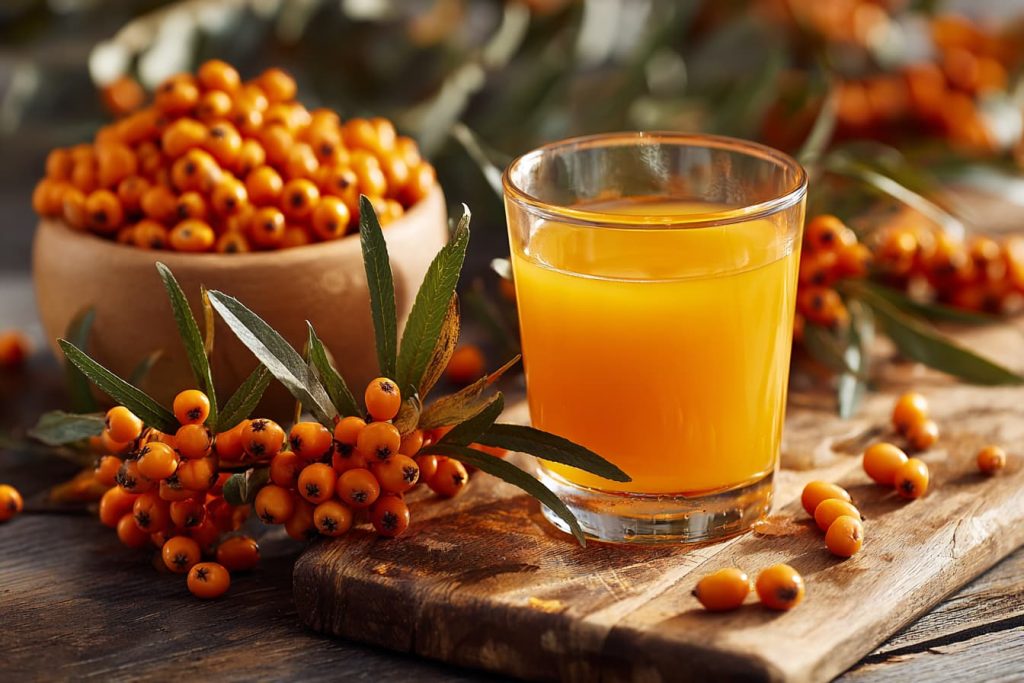
Traditional Uses & Home Remedies
- For itchy scalp and hair loss – massage the oil into the scalp
- For eczema, burns, wounds – apply mashed berries topically
- For cough – mix oil with honey
- For sinus congestion – use oil as gentle nasal drops
- For skin rejuvenation – apply oil on the face for 15–20 minutes
- For bright, glowing skin – mix 2 drops into night cream
- For mouth ulcers – apply directly for relief
How to Use Sea Buckthorn Oil Safely
- Always start with a patch test, as the oil is potent
- Undiluted oil can stain the skin a temporary orange shade
- If taking internally, start with ½ teaspoon daily
- People with gallbladder disease or low blood pressure should consult a doctor
- Avoid during pregnancy unless medically approved
Precautions: When to Be Careful with Sea Buckthorn Oil
Although natural and generally safe, sea buckthorn oil is very potent. Use with caution if you:
- have low blood pressure (it may lower it further)
- take blood-thinning medication or anticoagulants
- have active gallbladder problems
- have very sensitive or reactive skin
- are pregnant or breastfeeding (consult a doctor first)
Always start slowly and monitor your skin or digestion for reactions.
What Not to Do with Sea Buckthorn Oil
Because of its strong color and potency:
- don’t apply the oil undiluted on large areas of the face (it can stain and irritate)
- don’t use it on fresh, open wounds
- don’t combine high doses of oral oil with other strong antioxidants without guidance
- don’t use poor-quality, fragranced, or synthetic “sea buckthorn oils” (very common online)
A few drops go a long way, more is not always better.
CO₂ Extraction vs. Cold-Pressed Sea Buckthorn Oil
CO₂ Extracted Oil
- richer in carotenoids and omega-7
- higher antioxidant concentration
- more stable and less oxidized
- deeper orange color
- usually more expensive
Best for: skincare treatments, anti-aging routines, pigmentation, scars.
Cold-Pressed Oil
- gentler extraction
- retains natural nutrients but at a slightly lower intensity
- lighter color, milder scent
- more affordable and widely available
Best for: internal use, daily wellness, digestion, immunity support.
Both are excellent, just choose based on purpose.
How to Choose a High-Quality Sea Buckthorn Oil
Look for:
- 100% pure sea buckthorn oil (no cheap carrier oils)
- CO₂ extraction for skincare or anti-aging
- dark glass bottle to protect nutrients
- clear labeling of berries vs. seeds
- organic certification when possible
- a natural, deep orange color (a sign of high carotenoid content)
Avoid oils that are too light, too cheap, or have perfumes or fillers.
Sea buckthorn is one of nature’s most extraordinary healing plants — rich, potent, and incredibly versatile.
Whether you use it for glowing skin, a stronger immune system, digestive support, or antioxidant protection, this golden berry has a place in every natural wellness routine.
Incorporating this superberry into your routine allows you to experience the full range of sea buckthorn benefits, from glowing skin to deeper vitality and resilience.
FAQ:
- What are the main sea buckthorn benefits?
Sea buckthorn is rich in vitamins, antioxidants, and omega fatty acids that support skin regeneration, immunity, digestion, heart health, and overall wellness. - Is sea buckthorn oil good for the skin?
Yes. Sea buckthorn oil is highly nourishing for the skin due to its omega-7 content and antioxidant profile. It helps with dryness, inflammation, pigmentation, and promotes a glowing, even complexion. - Can I take sea buckthorn oil internally?
Sea buckthorn oil can be taken internally in small amounts to support digestion, immunity, and cardiovascular health. Start with half a teaspoon daily and consult a doctor if you have medical conditions. - Are there any side effects of sea buckthorn?
Sea buckthorn is generally safe, but may lower blood pressure, interact with blood thinners, or cause skin staining when used undiluted. People with gallbladder issues should use it cautiously. - Is sea buckthorn safe during pregnancy?
Sea buckthorn is usually considered safe when consumed in food amounts, but concentrated oils and supplements should not be used during pregnancy or breastfeeding without medical guidance. Always consult a healthcare provider first. - What is the difference between berry oil and seed oil?
Berry oil is rich in omega-7 and carotenoids, making it excellent for skin regeneration and anti-aging. Seed oil contains more omega-3 and omega-6, offering stronger anti-inflammatory and internal health benefits. Both oils are beneficial but used for different purposes.