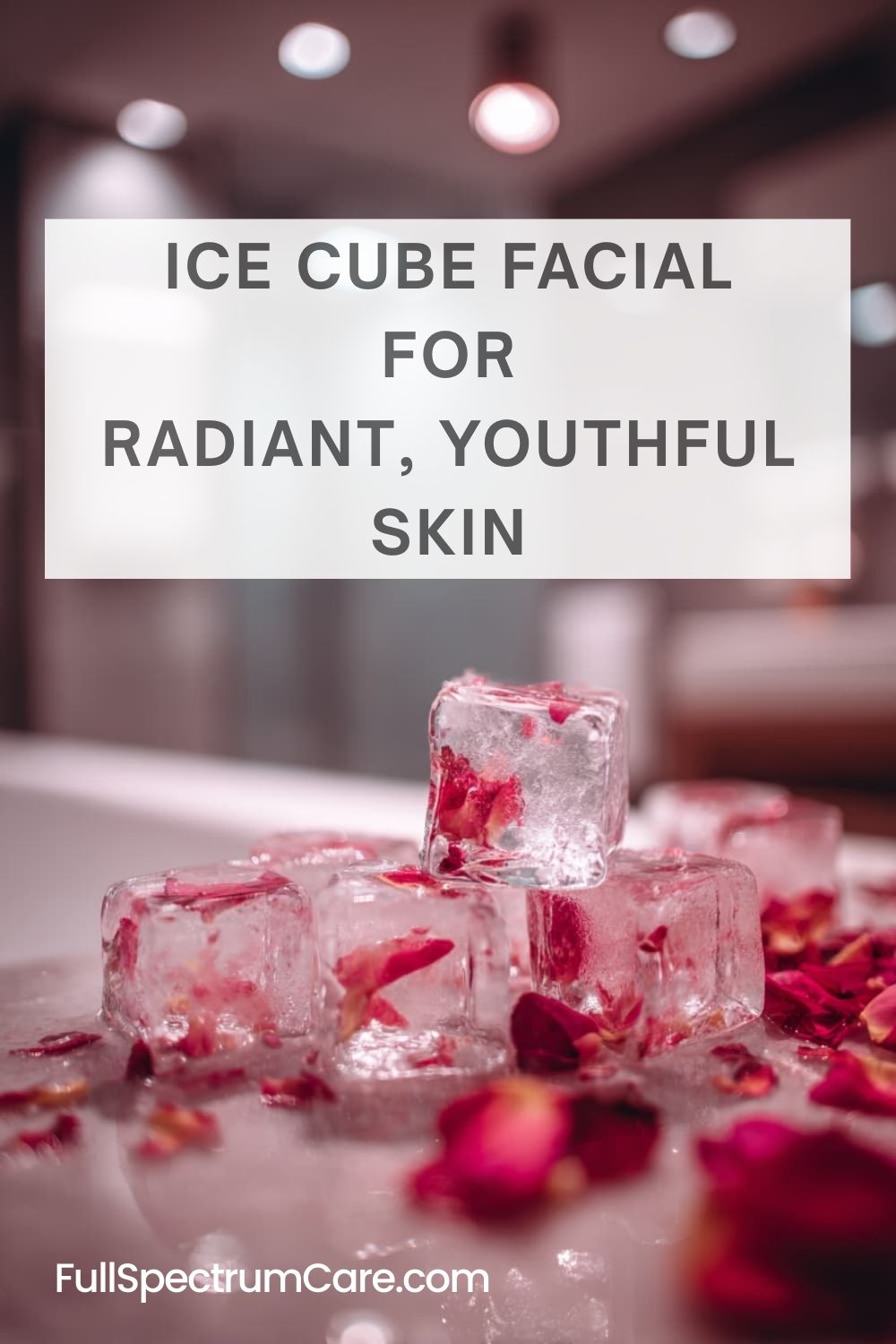
Ice therapy (also called skin icing) is one of the simplest yet most effective beauty rituals you can practice at home. With zero cost, zero preparation, and visible results, this ice cube facial treatment is a favorite among models, facialists, and Korean beauty experts.
In this expanded skin icing guide, you’ll learn:
- how icing benefits your skin on a physiological level;
- how to customize ice cubes according to your skin type and skin concerns;
- how to perform an Ice Cube Facial the right way;
- expert tips, ingredient combinations, and safety notes.
Why Ice cube facial Works: The Science Behind Skin Icing
When ice touches the skin, several beneficial reactions happen:
1. Shrinks pores & tightens skin
Cold causes vasoconstriction, the blood vessels tighten, creating a smoother, firmer surface.
2. Reduces puffiness and inflammation
Perfect for morning swelling, post-travel puffiness, or irritated breakouts.
3. Boosts circulation
After the initial cold, the skin increases blood flow to warm up, bringing oxygen and nutrients.
4. Enhances product absorption
Apply moisturizer after icing and your skin drinks it in more deeply.
5. Brightens & refreshes tired skin
Ice gives an instant glow, especially when combined with antioxidant teas.
6. Helps calm acne & redness
Cold reduces inflammation, making breakouts less angry and irritated.
Medical sources note that ice therapy can tighten pores and reduce swelling by temporarily constricting blood vessels, a foundation of the ice facial benefit.
How to Do an Ice Cube Facial (Step-by-Step)
- Cleanse your face thoroughly. For a gentle yet effective cleansing step before cold therapy, the oil cleansing method helps remove impurities without stripping the skin.
- Wrap the ice cube in a thin cloth (optional for sensitive skin).
- Massage the cube over your face, neck and décolletage in circular motions for 1–2 minutes.
- Let the skin air dry naturally — this boosts tightening effects.
- Apply your moisturizer or serum right after.
For oily or acne-prone skin, icing before applying skincare helps reduce shine and improve texture.
Best Ice Cube Recipes for Every Skin Type
Customize your ice cubes for specific needs. Use boiled and cooled water or herbal infusions for best results.
For All Skin Types – Green Tea Ice Cubes
- Rich in antioxidants
- Fights dullness
- Great for morning depuffing
How to make: Brew strong green tea, cool, pour into molds, freeze.
For Dry or Dehydrated Skin
Use:
- chamomile
- peppermint
- lavender
- cucumber juice
- aloe vera juice
Why it works: These soothe, hydrate, and restore skin comfort.
For Oily or Acne-Prone Skin
Use:
- calendula
- rosemary
- parsley
- nettle
Benefits: Reduce redness, balance sebum, gently purify pores.
For Pigmentation & Dark Spots
Add a few drops of lemon juice to your ice water.
Tip: Lemon can be photosensitizing. Use only at night and never before going into the sun.
For Sunburned or Irritated Skin
Freeze pure aloe vera gel or juice.
These cubes:
- soothe burning skin
- reduce redness
- speed up recovery
As a Make-Up Primer Ice Cube
Add 1 teaspoon of your favorite facial oil to the infusion before freezing.
This gives:
- a smooth base
- better product adherence
- a natural glow effect
After an ice cube facial, seal in hydration with a nourishing DIY face cream made from natural ingredients.
Advanced Ice Cube facial Blends (Pro Recipes)
Anti-Aging Glow Cubes
Ingredients:
- green tea
- rose water
- a drop of vitamin E oil
Effects: firming, antioxidant, brightening.
De-Puffing Eye Cubes
Use:
- strong chamomile tea
- cucumber water
Freeze in small molds and apply only around the eyes.
Detox Cubes for Congested Skin
Use:
- nettle
- rosemary
- a pinch of sea salt (optional)
These help stimulate circulation and brighten dull skin.
After your ice facial, applying the right oil boosts absorption, discover the 22 best natural oils for mature skin that nourish, firm and restore elasticity.
Safety Notes
- Don’t apply ice directly on the skin for more than 1 minute — risk of irritation.
- Always move the ice cube; don’t hold it still in one area.
- Wrap the cube in a cloth if your skin is very sensitive.
- Stop if you notice excessive redness or irritation.
- Use lemon-infused cubes only at night.
Final Tips for Maximum Results
- Do an Ice Cube Facial every morning for a visible glow.
- For acne-prone skin, use herbal cubes every other night.
- Keep small ice rollers or gua sha tools in the freezer for a luxury feel.
- Rotate recipes seasonally — hydrating cubes in summer, soothing herbal cubes in winter.
Into holistic beauty? Explore our Bentonite Clay Hair Treatments, a powerful natural way to detox and strengthen your hair, just like ice therapy refreshes your skin.
FAQ
Q1: Can I apply ice directly on my face every day?
Yes, daily icing is safe for most skin types as long as you keep the cube in constant motion and don’t apply it directly for longer than 1 minute. Sensitive skin may prefer wrapping the ice in a thin cloth.
Q2: Which ice cubes are best for anti-aging?
Green tea, rose water and aloe vera cubes provide strong antioxidant and soothing effects. For an extra firming boost, add a drop of vitamin E oil before freezing.
Q3: Does ice help reduce acne and breakouts?
Ice reduces inflammation, redness and swelling around pimples. Herbal cubes with calendula, nettle or rosemary can support skin healing and balance excess oil production.