
Digestive discomfort has become a common part of modern life. Busy schedules, rushed meals, stress, and highly processed foods often leave the stomach feeling heavy, bloated, or unsettled. While occasional indigestion is normal, frequent digestive issues can affect overall comfort, energy levels, and well-being.
Herbal teas for digestion offer one of the gentlest and most accessible ways to support the digestive system naturally. Used for centuries across different cultures, digestive herbal teas help calm the stomach, reduce bloating, and encourage smoother digestion without overwhelming the body. A warm cup of tea can act as both a physical remedy and a soothing ritual, making it especially appealing for those seeking natural, everyday digestive support.
Whether enjoyed after meals, in the evening, or as part of a daily wellness routine, herbal teas for digestion provide simple, plant-based comfort for bloating, indigestion, and digestive tension.
Explore our full Natural Remedies library for additional support.
How Herbal Teas Support Digestion Naturally
Herbal teas for digestion work through a combination of gentle physiological effects and nervous system support. Unlike stronger remedies, digestive herbal teas act gradually, making them suitable for regular use and sensitive stomachs.
Stimulating Digestive Function
Certain herbs encourage the natural production of digestive enzymes and bile, helping the body break down food more efficiently. This can ease feelings of heaviness and sluggish digestion, especially after larger meals.
Reducing Gas and Bloating
Many herbal teas for bloating contain carminative herbs that help relax the digestive tract and reduce gas buildup. By easing intestinal tension, these teas can quickly bring relief from pressure and discomfort.
Calming the Nervous System
Digestion is closely linked to the nervous system. Stress and anxiety can slow digestive processes, leading to cramps and bloating. Herbal teas such as chamomile or lemon balm help calm the nervous system, allowing digestion to proceed more smoothly.
Supporting Gut Motility
Some digestive herbal teas gently support intestinal movement, helping food pass through the digestive tract at a healthy pace. This can be particularly helpful for those who experience bloating related to slow digestion.
Gentle, Localized Support
Because herbal teas act directly on the digestive system, they provide localized relief without placing additional strain on the body. This makes herbal teas for digestion a popular choice for ongoing digestive comfort and daily wellness routines.
If bloating or indigestion is a frequent concern, these natural remedies for digestive issues offer additional gentle support beyond herbal teas.
Best Herbal Teas for Digestion
Herbal teas for digestion work best when chosen according to your specific symptoms. Some herbs focus on reducing gas and bloating, while others calm the stomach or support sluggish digestion. Below are some of the most effective and commonly used digestive herbal teas, along with guidance on when and how to enjoy them.
Peppermint Tea
Peppermint is one of the most popular herbal teas for digestion, especially when bloating and gas are the main concerns. It helps relax the smooth muscles of the digestive tract, allowing trapped gas to move more easily and easing abdominal pressure.
Best for:
- bloating and gas
- indigestion after heavy meals
- digestive discomfort linked to stress
When to drink:
After meals or whenever bloating appears. Peppermint tea is best avoided late in the evening if you are sensitive to reflux.
Ginger Tea
Ginger is a warming digestive herb that supports stomach emptying and stimulates digestion. It’s especially helpful when digestion feels slow, heavy, or unsettled.
Best for:
- sluggish digestion
- nausea or stomach heaviness
- cold-related digestive discomfort
When to drink:
Before or after meals, particularly during colder months or after rich foods.
Fennel Tea
Fennel is a classic carminative herb, traditionally used to reduce gas and abdominal cramping. It’s one of the gentlest herbal teas for bloating and is well tolerated by most people.
Best for:
- gas and abdominal pressure
- post-meal bloating
- sensitive digestion
When to drink:
After meals or in the evening for digestive comfort.
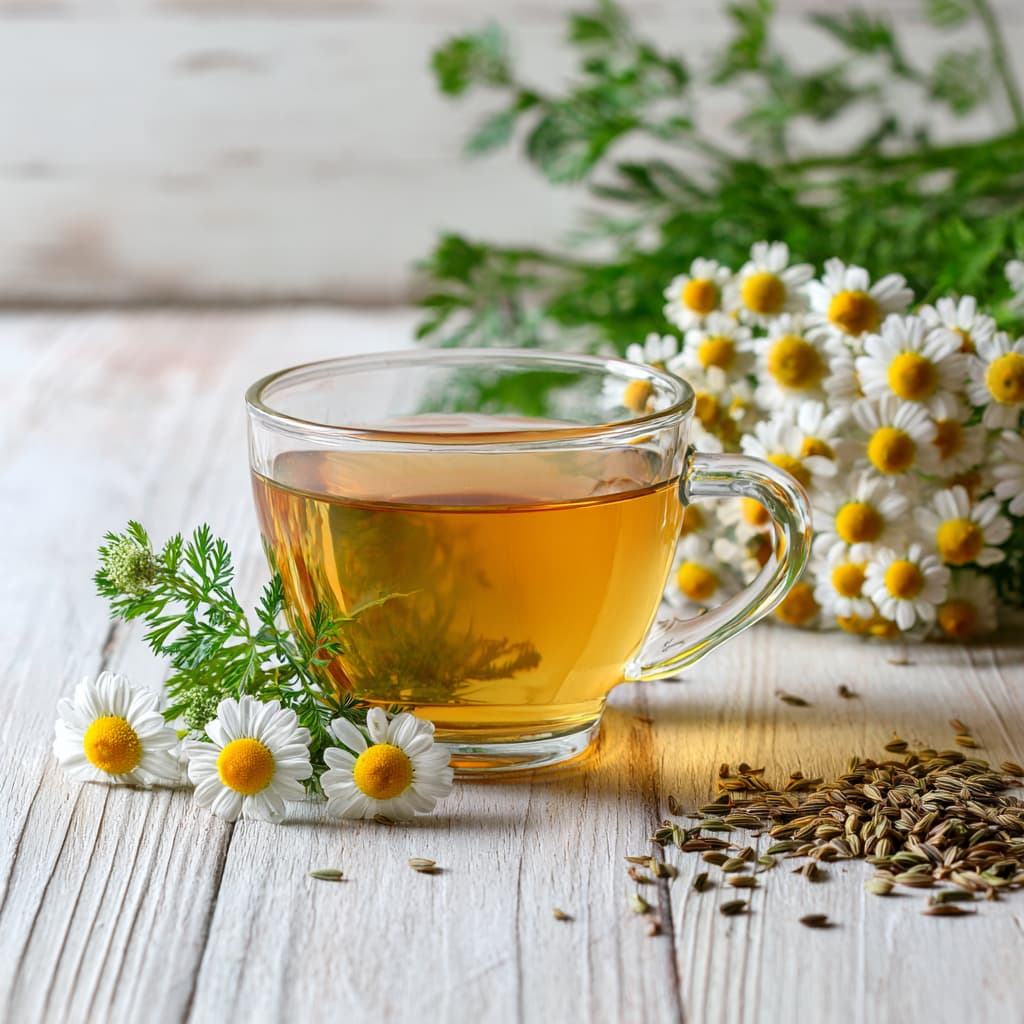
Chamomile Tea
Chamomile supports digestion indirectly by calming both the stomach and the nervous system. It’s especially useful when digestive issues are linked to stress or tension.
Best for:
- stress-related indigestion
- mild cramping
- evening digestive discomfort
When to drink:
In the evening or before bed as part of a relaxing routine.
Lemon Balm (Melissa)
Lemon balm gently soothes the digestive tract while lifting mood and easing nervous tension. It’s particularly helpful for “nervous digestion,” where stress plays a major role.
Best for:
- bloating linked to anxiety
- mild cramps
- digestive discomfort during stressful periods
When to drink:
In the afternoon or early evening.
Dandelion Root Tea
Dandelion root supports liver and bile function, which can help with fat digestion and feelings of heaviness after meals.
Best for:
- sluggish digestion
- post-meal heaviness
- mild water retention
When to drink:
Before meals or earlier in the day, as it can be mildly stimulating.
Licorice Root (DGL)
Licorice root tea helps soothe the stomach lining and supports digestive comfort. Deglycyrrhizinated licorice (DGL) is often preferred for regular use.
Best for:
- sensitive stomach
- mild irritation
- occasional indigestion
When to drink:
Between meals or when the stomach feels unsettled.
Also, explore our How to Support Your Microbiome Naturally guide for more support.
Herbal Tea Blends for Digestive Comfort
Blending herbs allows you to target digestion more precisely. These herbal tea blends for digestion combine complementary plants to reduce bloating, ease indigestion, and support overall gut comfort. Each blend below is simple, balanced, and suitable for home use.
1. After-Meal Digestive Tea
This blend supports digestion after heavier meals and helps reduce post-meal bloating.
Best for:
- heaviness after eating
- slow digestion
- mild gas
Ingredients (per cup):
- 1 tsp fennel seeds
- ½ tsp dried ginger root
- ½ tsp peppermint leaves
Instructions:
Pour 1 cup of hot water over the herbs. Cover and steep for 8–10 minutes. Strain before drinking.
When to drink:
10–20 minutes after meals.
2. Anti-Bloating Evening Blend
Designed to calm the digestive tract and release trapped gas while gently relaxing the body.
Best for:
- evening bloating
- abdominal pressure
- digestive discomfort before bed
Ingredients (per cup):
- 1 tsp chamomile flowers
- 1 tsp lemon balm
- ½ tsp fennel seeds
Instructions:
Steep covered in hot water for 10 minutes. Strain and sip slowly.
When to drink:
In the evening or 1–2 hours after dinner.
3. Gentle Daily Digestive Tea
A mild blend suitable for regular use, supporting digestion without overstimulation.
Best for:
- sensitive digestion
- daily digestive support
- mild, recurring discomfort
Ingredients (per cup):
- 1 tsp peppermint
- 1 tsp chamomile
- ½ tsp lemon balm
Instructions:
Steep for 8–10 minutes, covered. Strain and enjoy warm.
When to drink:
Once or twice daily, between meals.
4. Warming Tea for Sluggish Digestion
This blend gently stimulates digestion and circulation, making it ideal during colder months or periods of low digestive energy.
Best for:
- sluggish digestion
- cold-related bloating
- post-meal heaviness
Ingredients (per cup):
- 1 tsp dried ginger root
- ½ tsp dandelion root
- ½ tsp fennel seeds
Instructions:
Simmer the herbs gently in water for 10 minutes, then strain.
When to drink:
Before meals or earlier in the day.
If you prepare teas frequently, you can pre-mix larger batches using the same ratios and store them in an airtight jar away from light and moisture.
In addition to herbal teas, fermented foods play an important role in digestive wellness. These fermented foods for gut health offer natural support for balance and long-term gut comfort.
How & When to Drink Herbal Teas for Digestion
Getting the most benefit from herbal teas for digestion depends not only on the herbs you choose, but also on how and when you drink them. Small adjustments in timing, temperature, and consistency can make a noticeable difference.
Timing Matters
- After meals:
Carminative teas like peppermint, fennel, or ginger work best when consumed 10–30 minutes after eating. They help reduce gas, bloating, and heaviness. - Before meals:
Warming or bitter herbs such as ginger or dandelion root may support digestion when taken shortly before meals, especially if digestion feels slow or sluggish. - Evening use:
Calming blends with chamomile or lemon balm are ideal in the evening, particularly if digestive discomfort is linked to stress or tension.
Temperature & Preparation
- Warm, not hot:
Warm teas are gentler on the digestive system than very hot drinks and are easier for the stomach to process. - Covered steeping:
Always cover your cup while steeping to preserve the delicate plant compounds, especially for aromatic herbs like peppermint or lemon balm. - Freshness counts:
Prepare teas fresh whenever possible. If needed, teas can be made ahead and gently reheated the same day.
How Often to Drink Digestive Teas
- For occasional bloating or indigestion, 1–2 cups as needed is usually sufficient.
- For ongoing digestive support, one cup daily or every other day can be helpful.
- Avoid excessive use of strong or bitter herbs unless advised by a professional.
Listen to Your Body
Herbal teas for digestion are meant to support, not force, the digestive process. If a particular tea causes discomfort or worsens symptoms, discontinue use and try a gentler option.
Used mindfully, digestive herbal teas can become a simple, comforting ritual that supports gut health naturally over time.
Cleveland Clinic explains how herbal teas are commonly used to support digestion and overall wellness when enjoyed as part of a balanced routine.
Safety & Precautions When Using Herbal Teas for Digestion
Herbal teas for digestion are generally gentle and well tolerated, but mindful use is always important, especially when drinking them regularly.
Start Slowly
If you’re new to digestive herbal teas, begin with one cup per day and observe how your body responds. Introducing herbs gradually helps reduce the risk of sensitivity or discomfort.
Be Mindful of Strong or Bitter Herbs
Herbs such as dandelion root or licorice root may not be suitable for everyone, particularly when consumed frequently. If you experience discomfort, reduce usage or switch to milder options like chamomile or fennel.
Acid Reflux Considerations
Peppermint tea can help relieve bloating but may worsen symptoms for individuals prone to acid reflux. If reflux is a concern, opt for chamomile, ginger, or lemon balm instead.
Pregnancy & Medical Conditions
Some herbs may not be suitable during pregnancy or for individuals with specific medical conditions. When in doubt, consult a qualified healthcare professional before using herbal teas regularly.
Allergies & Sensitivities
Always check for individual sensitivities or allergies to herbs. Discontinue use if you notice any adverse reactions.
Not a Substitute for Medical Care
Herbal teas for digestion are best used for mild, occasional discomfort. Persistent, severe, or worsening digestive symptoms should be evaluated by a healthcare professional.
Alongside herbal teas, nutrient-rich plants can also support digestive comfort. Sea buckthorn offers additional benefits for digestion, gut lining support, and overall wellness.
FAQ – Herbal Teas for Digestion
What are the best herbal teas for digestion?
Some of the best herbal teas for digestion include peppermint, ginger, fennel, chamomile, lemon balm, and dandelion root. Each supports digestion in a slightly different way, depending on whether bloating, gas, stress, or sluggish digestion is the main concern.
Which herbal tea is best for bloating?
Peppermint and fennel tea are among the most effective herbal teas for bloating. They help relax the digestive tract and reduce gas buildup after meals.
Can I drink herbal teas for digestion every day?
Yes, many herbal teas for digestion are gentle enough for daily use, especially chamomile, lemon balm, and fennel. Stronger or bitter herbs are best enjoyed in moderation.
When is the best time to drink herbal tea for digestion?
Digestive herbal teas are most commonly enjoyed after meals to reduce bloating and heaviness. Calming blends are ideal in the evening, while warming teas may be helpful before meals.
Are herbal teas safe for sensitive stomachs?
Most digestive herbal teas are well tolerated, but people with sensitive stomachs should start with mild options like chamomile or fennel and introduce new herbs gradually.
Can herbal teas help with stress-related digestion?
Yes. Herbs such as chamomile and lemon balm help calm the nervous system, which can indirectly support digestion when stress or anxiety contributes to discomfort.