
Your gut is more than just a digestive organ, it’s home to trillions of microbes that influence everything from your immunity and metabolism to your mood and energy levels.
This ecosystem, known as the gut microbiome, is like an internal garden that requires balance and care. When nurtured, it helps us thrive; when neglected, it can contribute to issues like bloating, fatigue, weakened immunity, and even anxiety.
This article explores how to support your microbiome naturally with everyday choices.
Explore our full Natural Remedies library for additional support.
Related Guides for Gut Health & Digestion
- Bone broth for gut lining repair
- Fermented foods and probiotics for a healthy microbiome
- Herbal teas that support digestion naturally
- Natural remedies for bloating and digestive discomfort
- Daily habits to boost immunity naturally
Why Gut Health Matters
The gut microbiome is central to overall wellness:
- Immune function: Over 70% of your immune system resides in your gut.
- Mental health: Gut microbes produce neurotransmitters such as serotonin, often called the “happiness chemical.”
- Metabolism & weight: A diverse microbiome helps regulate appetite and energy.
- Inflammation control: Balanced gut bacteria reduce systemic inflammation linked to chronic disease.
When your microbiome is out of balance (a state called dysbiosis), symptoms can range from digestive discomfort to mood swings.
Eat More Fiber-Rich Foods
Fiber is the foundation of a healthy gut because it feeds beneficial bacteria and helps them multiply. Without enough fiber, good bacteria starve, leaving room for harmful microbes to grow.
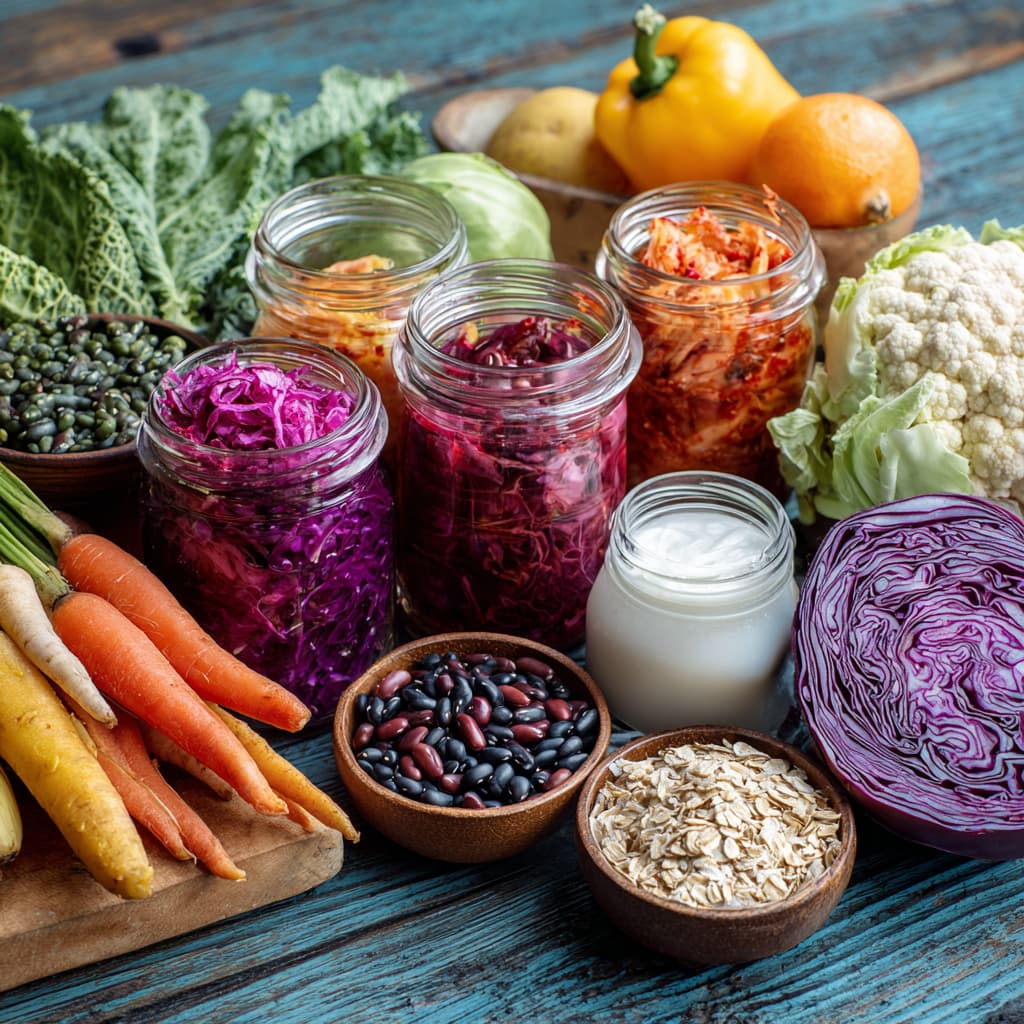
- Prebiotic foods: Garlic, onions, leeks, asparagus, bananas, apples, and oats provide natural prebiotics that nourish good bacteria.
- Whole plant foods: Beans, lentils, chickpeas, vegetables, and fruits supply both soluble and insoluble fibers, supporting digestion and gut motility.
- Practical tip: Aim for 25-35 grams of fiber per day, gradually increasing intake to avoid bloating or discomfort. Try oatmeal at breakfast, lentil soup for lunch, and a side of steamed vegetables at dinner.
- Why it matters: Studies link high-fiber diets with lower risks of obesity, heart disease, and type 2 diabetes, all tied to improved gut microbiota.
According to the World Health Organization, diets high in fiber reduce the risk of obesity, diabetes, and heart disease while supporting gut health.
If you enjoy nourishing your digestion with natural remedies, you may also love exploring the many sea buckthorn benefits, a nutrient-rich berry that supports the gut lining and overall digestive balance.
Add Fermented Foods to Your Diet
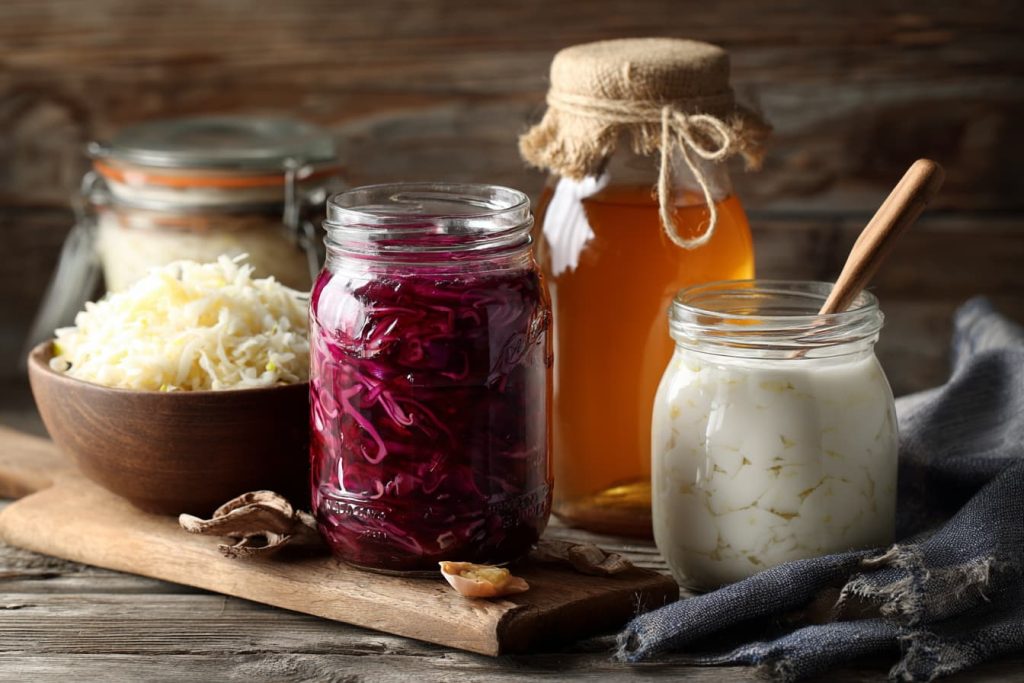
Fermented foods are a rich source of probiotics and one of the most natural ways to nourish the gut microbiome and support digestive balance.
- Examples: Yogurt with live cultures, kefir, sauerkraut, kimchi, miso, tempeh, and kombucha.
- How they help: These foods add microbial diversity, aid digestion, and improve nutrient absorption.
- Practical tip: Introduce them slowly, start with a few spoonfuls of sauerkraut or a half cup of kefir per day.
- Why it matters: Research shows that fermented foods can reduce inflammation, support immunity, and help restore gut balance after antibiotic use.
Research from Harvard T.H. Chan School of Public Health highlights that fermented foods like yogurt and kimchi increase microbial diversity and improve digestion.
Limit Processed Foods & Sugar
Processed foods and sugar create an environment where harmful microbes thrive while beneficial ones diminish.
- Problematic foods: Sugary drinks, candy, packaged snacks, refined carbs, and processed meats.
- Health impact: Excess sugar promotes yeast overgrowth, while additives can damage the gut lining and cause inflammation.
- Practical swaps: Replace soda with sparkling water and fruit, enjoy fresh fruit instead of candy, or prepare homemade snacks using oats, seeds, and honey.
- Why it matters: A diet low in processed foods supports a healthier gut environment, lowers inflammation, and improves long-term energy.
Stay Hydrated

Water is essential for maintaining the gut lining and keeping digestion smooth.
- Benefits: Hydration supports nutrient absorption, regulates bowel movements, and strengthens the intestinal barrier.
- Best choices: Herbal teas (peppermint, chamomile, ginger), infused water with cucumber or lemon, or mineral water for extra electrolytes.
- Caution: Too much caffeine or artificially sweetened beverages can irritate the gut.
- Why it matters: Dehydration can slow down digestion, leading to constipation and discomfort, which negatively impacts the microbiome.
Manage Stress for Gut Health
The gut and brain communicate through the gut-brain axis, so stress has a direct effect on digestion.
- How stress harms the gut: Chronic stress raises cortisol, alters digestion speed, reduces beneficial bacteria, and increases gut sensitivity.
- Stress management tools: Mindfulness, meditation, yoga, journaling, and deep breathing exercises.
- Practical tip: Dedicate 10 minutes each day to deep breathing or a short meditation to calm your nervous system.
- Why it matters: Stress management reduces gut inflammation, improves bowel regularity, and enhances overall resilience.
Stress plays a major role in gut health through the gut-brain axis. Clinical findings summarized by the NIH show that mindfulness and meditation can positively influence digestion and microbiome balance.
Get Quality Sleep
Your gut microbes follow circadian rhythms that mirror your own. Poor sleep disrupts these rhythms and reduces microbial diversity.
- Impact of poor sleep: Increases cravings for unhealthy foods, impairs digestion, and raises stress hormones.
- Sleep hygiene tips: Stick to a consistent sleep schedule, avoid screens before bed, and create a calming bedtime ritual like stretching or herbal tea.
- Why it matters: Quality sleep strengthens immunity, balances appetite, and helps your microbiome function optimally.
Exercise Regularly

Exercise doesn’t just strengthen muscles, it nourishes your gut too.
- How it helps: Physical activity increases microbial diversity, improves digestion, and reduces inflammation.
- Best forms: Walking, yoga, cycling, swimming, or dancing – all moderate forms that don’t overstrain the body.
- Practical tip: 30 minutes a day of moderate activity is enough to see benefits. Avoid overtraining, which can stress the body and the gut.
- Why it matters: Movement supports metabolism, regulates appetite, and helps maintain a balanced microbiome.
Consider Natural Supplements
While diet is the foundation of gut health, supplements can offer additional support.
- Probiotics: Multi-strain supplements with Lactobacillus and Bifidobacterium may help restore balance after illness, antibiotics, or digestive issues.
- Prebiotics: Inulin, acacia fiber, and psyllium husk provide fuel for healthy bacteria.
- Herbal supports: Ginger, peppermint, and chamomile soothe digestion and reduce inflammation.
- Caution: Supplements vary in quality. Always choose reputable brands and consult a healthcare provider before use.
- Why it matters: Supplements can bridge gaps when diet alone isn’t enough, providing targeted support.
The Long-Term Benefits of a Healthy Gut
Investing in gut health brings wide-ranging benefits:
- Stronger immunity: Supports the body’s defense system.
- Steadier energy: Balanced microbes help stabilize blood sugar and energy levels.
- Clearer skin: Reduces acne and inflammatory skin issues.
- Improved mental clarity: Supports neurotransmitter production for better mood and focus.
- Lower risk of chronic disease: Reduces risks of obesity, diabetes, and autoimmune conditions.
Takeaway: Gut health is not a quick fix, it’s a long-term investment in your whole-body wellness. With small, consistent changes, you can build a resilient microbiome that supports every aspect of health.
Your gut microbiome is like a hidden ecosystem that shapes your health more than you might realize. By making conscious choices, like eating more fiber, enjoying fermented foods, managing stress, and prioritizing sleep, you can naturally support your microbiome. Small daily habits grow into powerful long-term benefits. Nourish your gut, and it will nourish you in return.
FAQ
Q1: What foods improve gut health?
A: Fiber-rich fruits and vegetables, whole grains, beans, and fermented foods like yogurt, sauerkraut, and kimchi help nourish beneficial gut bacteria.
Q2: What is the fastest way to heal your gut naturally?
A: Prioritize whole foods, reduce processed sugar, add fermented foods, stay hydrated, and manage stress. These habits help restore balance in the microbiome.
Q3: Are probiotics necessary for gut health?
A: Probiotics can help, but they’re not always essential. A diet rich in prebiotics and fermented foods often provides enough support for gut health.
Q4: Can stress affect gut health?
A: Yes. Stress disrupts the gut-brain connection, alters digestion, and reduces microbial diversity. Mindfulness, meditation, and rest can help restore balance.
Q5: How long does it take to improve gut health?
A: Many people notice improvements in digestion and energy within a few weeks of dietary changes, but full microbiome restoration may take several months of consistent habits.