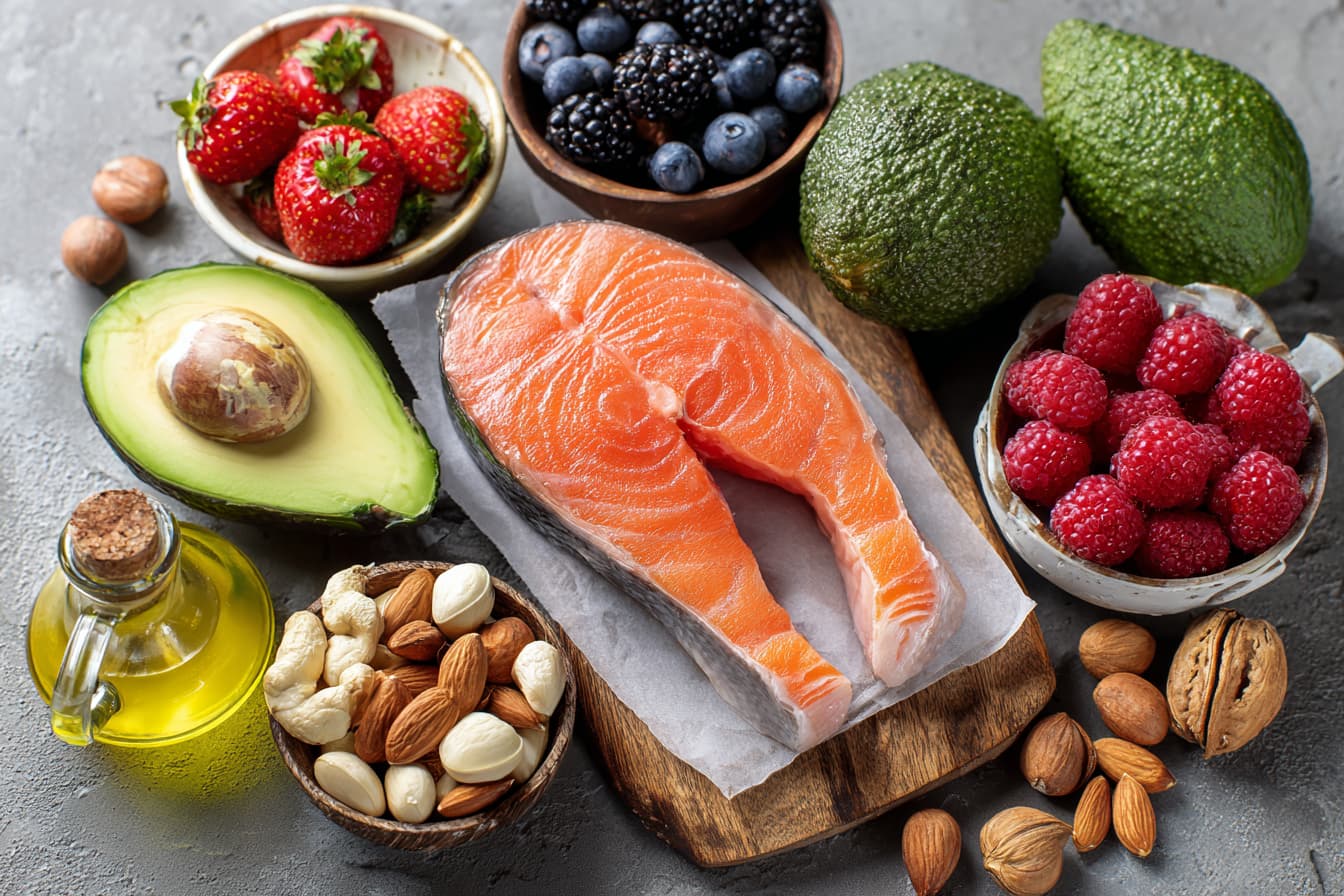

Chronic inflammation is linked to many modern health concerns, including joint discomfort, fatigue, digestive imbalance, and cardiovascular issues. While inflammation is a natural protective response of the body, long-term inflammation can gradually disrupt overall wellness.
One of the most effective ways to support the body’s inflammatory balance is through everyday nutrition. Many whole foods contain powerful plant compounds, antioxidants, and healthy fats that help regulate inflammatory processes and protect cells from damage.
These anti-inflammatory foods work by reducing oxidative stress, supporting immune balance, and providing nutrients that help the body recover and repair tissues.
Below you’ll find 20 powerful foods that naturally support the body’s anti-inflammatory response and can easily be included in your daily meals.
For additional support, explore our guide to natural anti-inflammatory remedies you can make at home, where you’ll find simple herbal remedies and drinks that complement an anti-inflammatory diet.
Quick List of Anti-Inflammatory Foods
| Food | Key Compounds | Main Benefit |
|---|---|---|
| Blueberries | Anthocyanins | Reduce oxidative stress |
| Strawberries | Polyphenols | Support immune balance |
| Cherries | Anthocyanins | Help reduce inflammation markers |
| Avocado | Monounsaturated fats | Support heart and metabolic health |
| Broccoli | Sulforaphane | Supports detox and reduces inflammation |
| Spinach | Vitamin E, antioxidants | Protects cells from inflammation |
| Kale | Polyphenols | Supports immune function |
| Tomatoes | Lycopene | Helps lower inflammation |
| Olive Oil | Oleocanthal | Natural anti-inflammatory compound |
| Walnuts | Omega-3 fatty acids | Supports joint and brain health |
| Almonds | Vitamin E | Helps reduce oxidative stress |
| Chia Seeds | Omega-3 + fiber | Supports gut and inflammation balance |
| Flax Seeds | Alpha-linolenic acid | Helps regulate inflammatory pathways |
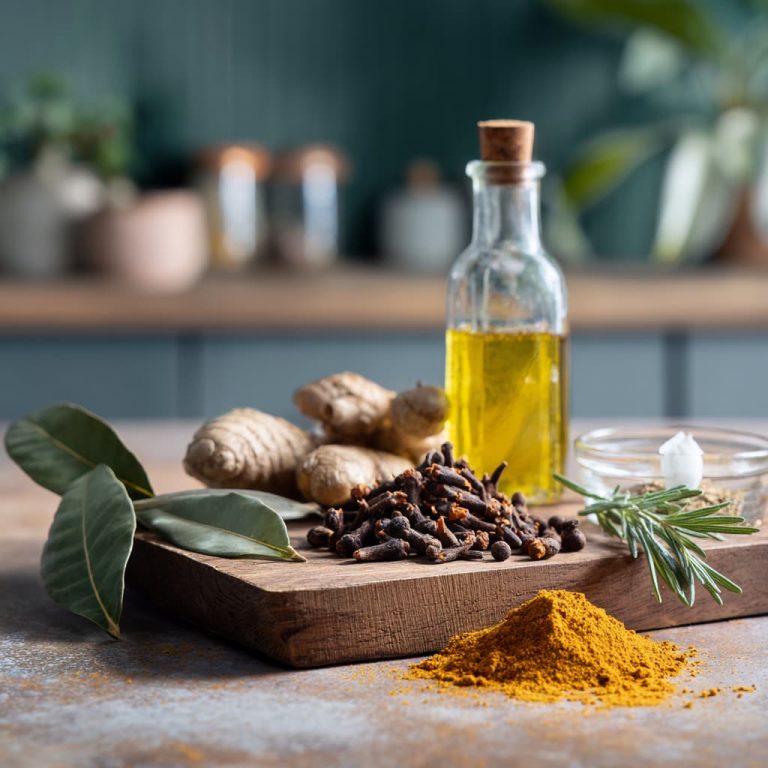
| Turmeric | Curcumin | Powerful natural anti-inflammatory |
| Ginger | Gingerol | Helps reduce muscle and digestive inflammation |
| Cinnamon | Polyphenols | Supports blood sugar balance |
| Green Tea | Catechins (EGCG) | Strong antioxidant protection |
| Cacao (unsweetened) | Flavonoids | Supports cardiovascular health |
| Fatty Fish (salmon, sardines) | Omega-3 EPA & DHA | Helps reduce inflammatory markers |
| Garlic | Allicin | Supports immune and inflammatory balance |
According to Harvard Health Publishing, many whole foods rich in antioxidants and healthy fats help regulate inflammatory processes in the body.
20 Anti-Inflammatory Foods Explained
Blueberries
Why they help inflammation
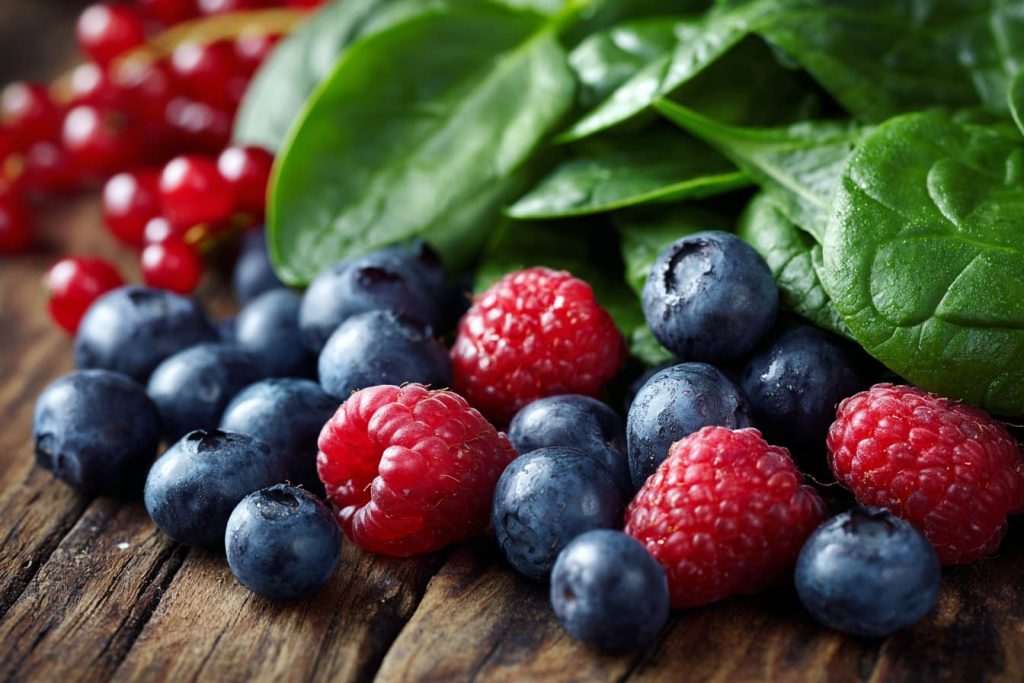
Blueberries are rich in anthocyanins, powerful antioxidants that help neutralize free radicals and reduce oxidative stress, one of the key drivers of chronic inflammation.
Key nutrients
Anthocyanins, vitamin C, fiber, and polyphenols.
Simple ways to use them
Add to smoothies, yogurt bowls, oatmeal, or eat fresh as a snack.
Strawberries
Why they help inflammation
Strawberries contain polyphenols and vitamin C that help lower inflammatory markers and support immune balance.
Key nutrients
Vitamin C, manganese, fiber, and antioxidants.
Simple ways to use them
Add to salads, smoothies, chia pudding, or enjoy fresh with yogurt.
Cherries
Why they help inflammation
Cherries, especially tart cherries, are known to help reduce inflammation and support recovery after physical activity.
Key nutrients
Anthocyanins, vitamin C, and potassium.
Simple ways to use them
Add to smoothies, oatmeal, or enjoy as fresh fruit or unsweetened cherry juice.
Avocado
Why it helps inflammation
Avocados contain healthy monounsaturated fats and antioxidants that help support cardiovascular health and regulate inflammatory responses.
Key nutrients
Monounsaturated fats, vitamin E, potassium, and fiber.
Simple ways to use it
Add to salads, toast, smoothies, or grain bowls.
Broccoli
Why it helps inflammation
Broccoli contains sulforaphane, a plant compound shown to reduce inflammatory signals and support detoxification pathways.
Key nutrients
Sulforaphane, vitamin C, vitamin K, and fiber.
Simple ways to use it
Steam lightly, add to stir-fries, soups, or roasted vegetable dishes.
Spinach
Why it helps inflammation
Spinach is packed with antioxidants that help reduce oxidative stress and protect cells from inflammatory damage.
Key nutrients
Vitamin E, magnesium, carotenoids, and polyphenols.
Simple ways to use it
Use in smoothies, salads, omelets, or sauté lightly with olive oil.
Kale
Why it helps inflammation
Kale contains powerful plant compounds that support detox pathways and help regulate inflammatory processes.
Key nutrients
Vitamin K, vitamin C, fiber, and antioxidants.
Simple ways to use it
Add to salads, green smoothies, soups, or lightly sauté.
Tomatoes
Why they help inflammation
Tomatoes are rich in lycopene, a powerful antioxidant known for its ability to reduce inflammatory markers and support cardiovascular health.
Key nutrients
Lycopene, vitamin C, potassium, and antioxidants.
Simple ways to use them
Add fresh tomatoes to salads, sauces, soups, or roast them with olive oil for a richer flavor.
Olive Oil (Extra Virgin)
Why it helps inflammation
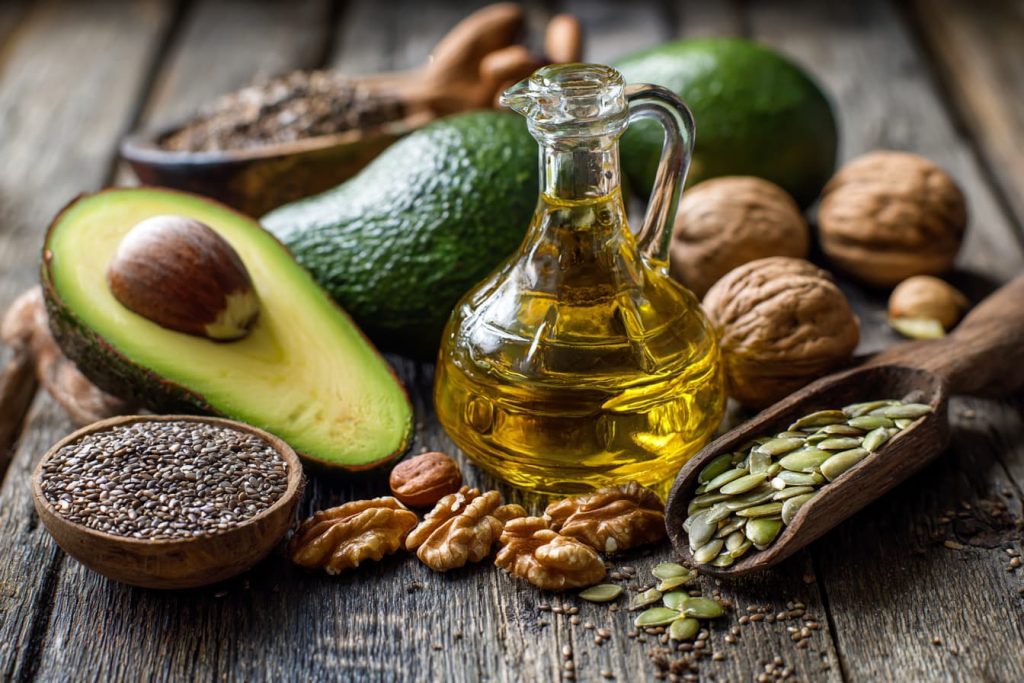
Extra virgin olive oil contains oleocanthal, a natural compound that has anti-inflammatory properties similar to mild anti-inflammatory agents.
Key nutrients
Monounsaturated fats, polyphenols, vitamin E.
Simple ways to use it
Use as a salad dressing, drizzle over vegetables, or add to cooked dishes after preparation.
Walnuts
Why they help inflammation
Walnuts are one of the richest plant sources of omega-3 fatty acids, which help regulate inflammatory pathways and support heart health.
Key nutrients
Omega-3 fatty acids (ALA), antioxidants, magnesium.
Simple ways to use them
Add to oatmeal, salads, yogurt, or eat as a snack.
Almonds
Why they help inflammation
Almonds contain vitamin E and healthy fats that help protect cells from oxidative stress and support the body’s anti-inflammatory balance.
Key nutrients
Vitamin E, magnesium, monounsaturated fats.
Simple ways to use them
Add to smoothies, salads, granola, or enjoy as a snack.
Chia Seeds
Why they help inflammation
Chia seeds are extremely rich in omega-3 fatty acids and fiber, both of which help regulate inflammatory responses and support gut health.
Key nutrients
Omega-3 fatty acids, fiber, calcium, antioxidants.
Simple ways to use them
Add to smoothies, oatmeal, chia pudding, or sprinkle over yogurt.
Flax Seeds
Why they help inflammation
Flax seeds provide alpha-linolenic acid (ALA), a plant-based omega-3 fatty acid known to help reduce inflammatory markers.
Key nutrients
Omega-3 fatty acids, lignans, fiber.
Simple ways to use them
Add ground flax seeds to smoothies, oatmeal, baked goods, or yogurt.
Turmeric
Why it helps inflammation
Turmeric contains curcumin, one of the most studied natural anti-inflammatory compounds, known for helping regulate inflammatory pathways in the body.
Key nutrients
Curcumin and powerful antioxidants.
Simple ways to use it
Use in curries, soups, golden milk, or turmeric tea.
Ginger
Why it helps inflammation
Ginger contains gingerol, a bioactive compound that helps reduce inflammation, support digestion, and ease muscle discomfort.
Key nutrients
Gingerol, antioxidants, anti-inflammatory compounds.
Simple ways to use it
Add fresh ginger to tea, smoothies, soups, or stir-fries.
Cinnamon
Why it helps inflammation
Cinnamon is rich in antioxidants and polyphenols that help reduce oxidative stress and support healthy blood sugar balance.
Key nutrients
Polyphenols, antioxidants.
Simple ways to use it
Add to oatmeal, smoothies, tea, coffee, or baked dishes.
Green Tea
Why it helps inflammation
Green tea contains catechins, especially EGCG, which help reduce inflammation and support metabolic and cardiovascular health.
Key nutrients
Catechins (EGCG), polyphenols.
Simple ways to use it
Drink freshly brewed green tea daily or add it to smoothies.
Cacao (Unsweetened)
Why it helps inflammation
Raw cacao is rich in flavonoids and polyphenols that help reduce inflammation and support heart health.
Key nutrients
Flavonoids, magnesium, antioxidants.
Simple ways to use it
Add raw cacao powder to smoothies, oatmeal, or homemade energy bites.
Fatty Fish (Salmon, Sardines)
Why they help inflammation
Fatty fish are among the best sources of omega-3 fatty acids (EPA and DHA), which help reduce inflammatory markers in the body.
Key nutrients
Omega-3 fatty acids, vitamin D, protein.
Simple ways to use them
Grill, bake, or add to salads and grain bowls.
Garlic
Why it helps inflammation
Garlic contains allicin and sulfur compounds that help reduce inflammation, support immune function, and promote cardiovascular health.
Key nutrients
Allicin, sulfur compounds, antioxidants.
Simple ways to use it
Add fresh garlic to soups, roasted vegetables, sauces, and savory dishes.
Simple Ways to Add Anti-Inflammatory Foods to Your Diet
Adding anti-inflammatory foods to your daily routine does not require complicated recipes or strict diets. Small, consistent changes can make a meaningful difference over time. By choosing whole foods rich in antioxidants, healthy fats, and plant compounds, you can naturally support the body’s inflammatory balance.
Here are some simple ways to include more anti-inflammatory foods in your meals.
Start the Day with Anti-Inflammatory Ingredients
Breakfast is a great opportunity to include nutrient-rich foods that help regulate inflammation.
Examples:
- Oatmeal topped with berries, chia seeds, and walnuts
- A green smoothie with spinach, avocado, and blueberries
- Yogurt with strawberries, almonds, and flax seeds
These foods provide antioxidants, fiber, and healthy fats that support metabolic and immune balance.
Use Healthy Fats Instead of Processed Oils
Healthy fats play an important role in regulating inflammation.
Good choices include:
- Extra virgin olive oil
- Avocado
- Nuts and seeds
Use olive oil for salads and vegetables, add avocado to bowls and sandwiches, and include nuts or seeds as snacks or toppings.
Include Anti-Inflammatory Spices in Cooking
Many everyday spices contain natural compounds that help reduce inflammation.
Easy additions:
- Add turmeric and ginger to soups and stir-fries
- Sprinkle cinnamon on oatmeal or smoothies
- Use garlic in sauces, roasted vegetables, and dressings
These small additions can significantly increase the anti-inflammatory potential of your meals.
Drink Anti-Inflammatory Beverages
Certain drinks contain powerful antioxidants that support the body’s inflammatory balance.
Good options include:
- Green tea
- Ginger tea
- Turmeric milk (golden milk)
- Smoothies with berries and leafy greens
Replacing sugary drinks with these options can help reduce inflammation over time.
Focus on Whole, Minimally Processed Foods
Highly processed foods often contain refined sugars, unhealthy fats, and additives that may increase inflammation.
Instead, prioritize:
- fresh vegetables and fruits
- whole grains
- healthy fats
- high-quality protein sources
Building meals around whole foods is one of the most effective ways to support long-term inflammatory balance.
Anti-inflammatory nutrients support many areas of the body, including long-term eye health. For additional practical tips, explore these natural remedies for dry eyes and eye fatigue to support visual comfort naturally.
Foods That May Increase Inflammation
While many foods help reduce inflammation, others may contribute to inflammatory processes when consumed frequently. Highly processed foods, excess sugar, and certain refined fats are commonly associated with increased inflammatory markers in the body.
Limiting these foods can help support the body’s natural anti-inflammatory balance.
Refined Sugar
High intake of added sugar is linked to increased inflammation and metabolic stress. Sugary drinks, desserts, and processed snacks can cause rapid spikes in blood sugar, which may trigger inflammatory responses over time.
Common sources include:
- sugary beverages
- packaged desserts
- sweetened cereals
- candy and processed snacks
Refined Vegetable Oils
Some highly processed oils contain large amounts of omega-6 fatty acids that may contribute to inflammation when consumed in excess.
Examples include:
- soybean oil
- corn oil
- sunflower oil
- processed vegetable oils used in fast food and packaged products
Instead, prioritize healthier fats such as olive oil, nuts, seeds, and fatty fish.
Ultra-Processed Foods
Ultra-processed foods often contain additives, refined sugars, and unhealthy fats that may contribute to chronic inflammation.
Examples include:
- packaged snack foods
- fast food
- instant meals
- heavily processed meats
Choosing whole, minimally processed foods can significantly reduce exposure to these ingredients.
Excessive Alcohol
Moderate alcohol consumption may be tolerated by many people, but excessive intake can increase inflammation and negatively affect liver health and immune balance.
If consumed, alcohol is best kept in moderation and balanced with a nutrient-rich diet.
Highly Refined Carbohydrates
Refined grains such as white bread, pastries, and many processed baked goods can lead to rapid blood sugar spikes that may contribute to inflammatory responses.
Better choices include:
- whole grains
- oats
- quinoa
- brown rice
Incorporating anti-inflammatory foods into your daily diet is one of the simplest and most natural ways to support long-term health. Small, consistent changes — such as adding berries to breakfast, cooking with olive oil, or drinking green tea, can gradually help the body maintain a healthier inflammatory balance.
You may also notice how different foods affect your body in unexpected ways, even something as simple as changes in urine smell.
Explore our full Natural Remedies library for additional support.
FAQ – Anti-Inflammatory Foods
What are the most powerful anti-inflammatory foods?
Some of the most powerful anti-inflammatory foods include berries, fatty fish, olive oil, turmeric, ginger, leafy greens, and nuts such as walnuts and almonds. These foods contain antioxidants, healthy fats, and plant compounds that help regulate inflammatory processes in the body.
What foods reduce inflammation quickly?
Foods rich in antioxidants and omega-3 fatty acids can help support the body’s inflammatory balance relatively quickly. Examples include fatty fish, berries, olive oil, green tea, turmeric, and ginger. While individual responses vary, including these foods regularly in your diet may help support inflammation regulation.
What should you avoid if you have inflammation?
If you are trying to reduce inflammation, it may help to limit foods that are highly processed or high in refined sugars and unhealthy fats. Common examples include sugary drinks, ultra-processed snacks, refined vegetable oils, and refined carbohydrates such as white bread and pastries.
How long does it take for anti-inflammatory foods to work?
Anti-inflammatory foods typically support the body gradually rather than producing immediate effects. Some people may notice improvements in energy, digestion, or joint comfort within a few weeks of consistently including anti-inflammatory foods in their meals.
Can diet really reduce inflammation?
Diet plays a major role in regulating inflammation. A balanced diet rich in whole foods, vegetables, fruits, healthy fats, and anti-inflammatory herbs can help support the body’s natural inflammatory balance and overall health.