
Headaches are one of the most common health complaints, affecting millions of people worldwide. From tension headaches caused by stress and posture, to migraines triggered by hormonal changes or diet, the discomfort can be overwhelming. While over-the-counter medications may provide quick relief, many people are turning to natural remedies for headaches to ease the pain and to address the underlying causes.
Explore our full Natural Remedies library for additional support.
Identify Your Headache Type First
Not all headaches are the same. Identifying the type of headache you are experiencing can help you choose the most effective natural remedy.
Tension headaches – Often feel like a tight band around the head, commonly triggered by stress, posture, or muscle strain.
Sinus headaches – Accompanied by facial pressure, congestion, and sensitivity around the nose and eyes.
Migraine headaches – Throbbing pain, often one-sided, sometimes paired with nausea or light sensitivity.
Hormonal headaches – Linked to menstrual cycles or hormonal fluctuations.
Dehydration headaches – Often improve quickly with fluid and electrolyte intake.
Quick Natural Remedies for Headaches Relief
If you need gentle relief right now, try:
- A glass of water with a pinch of sea salt
- Diluted peppermint oil on temples
- A cold compress on the forehead
- 200–400 mg magnesium (if appropriate for you)
Herbal Teas for Headaches Relief
Peppermint Tea
Peppermint has natural muscle-relaxing and cooling properties, making it especially helpful for tension headaches. Sipping peppermint tea can ease pressure, while inhaling its steam may provide quick soothing effects.
Ginger Tea
Ginger is well-known for reducing inflammation and nausea, both of which are often linked to migraines. Drinking ginger tea at the onset of a headache can shorten its duration and intensity.
Chamomile Tea
Chamomile is a calming herb that supports relaxation of both the body and mind. A warm cup of chamomile tea before bed may help reduce stress-related headaches and improve sleep quality.
Feverfew Tea
Traditionally used for migraines, feverfew may help reduce the frequency of attacks over time. It is not a quick fix but can be part of a long-term prevention strategy.
Inflammation may also play a role in certain types of headaches. You may benefit from these natural anti-inflammatory remedies you can make at home.
Essential Oils for Headaches
Peppermint Oil
When diluted with a carrier oil and applied to the temples, peppermint oil creates a cooling sensation that helps relax muscles and increase blood flow.
Lavender Oil
Inhaling lavender oil through a diffuser or adding a few drops to a warm bath can calm the nervous system. Studies suggest it may reduce the severity of migraine attacks.
Eucalyptus Oil
Best suited for sinus-related headaches, eucalyptus oil can open nasal passages, reduce sinus pressure, and promote easier breathing.
Rosemary Oil
Rosemary has anti-inflammatory and analgesic properties. Diluted rosemary oil can be massaged into the temples or used for steam inhalation to ease pain.
Cold & Warm Compresses
Cold Compress
Applying a cold pack or even a cool, damp towel to the forehead can constrict blood vessels, reducing inflammation and relieving migraine pain.
Warm Compress
For tension headaches caused by tight neck or shoulder muscles, a warm compress can improve circulation and ease stiffness.
Alternating Hot & Cold Therapy
Some people find relief by alternating between warm and cold compresses, which can stimulate circulation and reduce muscle tightness.
Magnesium & Hydration as Natural Remedies for Headaches
Magnesium
Magnesium deficiency has been linked to migraines and chronic headaches. Incorporating magnesium-rich foods such as spinach, almonds, and avocado, or taking a magnesium supplement, may help prevent recurring pain.
Hydration
Dehydration is a common but often overlooked trigger for headaches. Drinking enough water throughout the day and balancing electrolytes can reduce both the frequency and severity of headaches.
Simple Homemade Electrolyte Drink
Sometimes headaches are linked to mild dehydration or low blood sugar, especially after long hours without food, heat exposure, or intense stress. In these cases, a simple homemade drink may help restore balance.
Mix:
- 1 glass of room-temperature water
- 1 teaspoon raw honey
- A small pinch of sea salt
Stir well and sip slowly.
This gentle combination supports hydration, provides a small amount of natural glucose for energy, and helps replenish electrolytes. It is most helpful for dehydration-related or “hunger” headaches, but it is not a universal solution for migraines or chronic pain.
If you experience frequent headaches related to blood sugar fluctuations, consider discussing this with a healthcare professional.
Additional Natural Remedies for Headaches
Acupressure
Applying gentle pressure to specific points on the body, such as the space between the thumb and index finger, may reduce headache intensity.
Massage
Scalp, neck, and shoulder massages can release tension and improve circulation, offering relief for tension headaches.
Caffeine (in moderation)
Small amounts of caffeine (from green tea or coffee) can constrict blood vessels and provide quick headache relief. However, excessive caffeine may lead to rebound headaches.
Omega-3 Fatty Acids
Found in fish oil, flaxseeds, and walnuts, omega-3s have anti-inflammatory properties that may help reduce headache frequency over time.
Coenzyme Q10 (CoQ10)
Some studies suggest CoQ10 supplementation may help decrease the frequency of migraines.
Butterbur (Petasites hybridus)
Butterbur root extract has been studied for migraine prevention. However, only PA-free (pyrrolizidine alkaloid–free) extracts should be used, as others can be toxic to the liver.
Lifestyle Remedies as Natural Headaches Relief
Gentle Stretching & Yoga
Neck and shoulder stretches, as well as gentle yoga poses, release muscle tension that often contributes to headaches.
Deep Breathing & Meditation
Mindful breathing and meditation can lower stress levels and calm the nervous system, reducing the likelihood of tension headaches.
Gentle outdoor practices like forest bathing can help calm the nervous system and ease tension-related discomfort.
Sleep Hygiene
Poor sleep quality or irregular sleep patterns can trigger headaches. Establishing a consistent bedtime routine and ensuring restful sleep is key for long-term relief.
Limiting Trigger Foods
Chocolate, aged cheese, processed meats, and alcohol are common migraine triggers. Keeping a food diary can help identify and eliminate individual triggers.
Tension headaches are often linked to nervous system overload and prolonged stress. Supporting stress regulation may help reduce their frequency. Explore our natural remedies for stress relief for a broader approach.
Quick Guide: Match the Remedy to the Headache
Different headaches respond to different types of support. Before trying everything at once, consider what might be triggering your discomfort.
- Tight, band-like pressure around the head?
Try magnesium, gentle stretching, peppermint oil, or a warm compress. - Throbbing pain with nausea or light sensitivity?
Ginger tea, hydration, rest in a dark room, and magnesium may help. - Facial pressure with congestion?
Steam inhalation, eucalyptus oil, and sinus-supportive herbs can be useful. - Headache after long hours without food or water?
Hydration, a light snack, or a simple electrolyte drink may provide relief. - Headache during stressful periods?
Deep breathing, lavender oil, massage, and nervous system support practices can make a difference.
Start with one approach that matches your symptoms rather than combining multiple remedies at once.
When to See a Doctor
While natural remedies for headaches are helpful, some conditions require medical evaluation. Seek professional help if:
- Headaches are sudden, severe, or worsening
- They are accompanied by vision changes, dizziness, or weakness
- They occur more than 15 days per month
According to the Cleveland Clinic, natural approaches such as proper hydration, magnesium intake, relaxation techniques, and gentle pressure or heat can help relieve certain types of headaches.
Headaches can significantly affect daily life, but natural remedies offer safe and effective ways to ease the discomfort. From soothing herbal teas and essential oils to lifestyle shifts that reduce stress, there are many paths to relief. Start with one or two remedies and notice how your body responds—it may take some experimentation to find what works best for you.
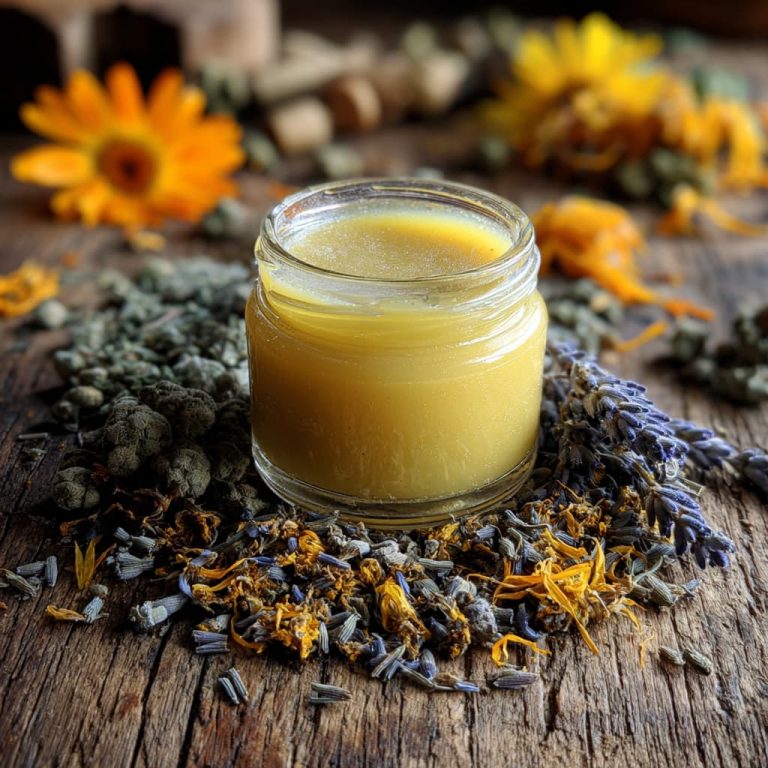
In addition to teas and internal remedies, natural pain relief balms and oils applied to the neck and shoulders may help ease muscle tension associated with headaches.
Disclaimer: The included natural remedies for headaches are for informational purposes only and should not replace medical advice. If your headaches are frequent, severe, or accompanied by other symptoms, please consult a healthcare professional.
Headache Relief – FAQ
What are the best natural remedies for headaches?
Herbal teas (peppermint, ginger, chamomile), diluted essential oils, cold/warm compresses, hydration, magnesium-rich foods, light stretching, and relaxation.
Which essential oil is best for headaches?
Peppermint (tension), lavender (calming), eucalyptus (sinus). Always dilute and avoid eyes.
Can magnesium help with migraines?
Yes, it may reduce frequency and intensity for some people. Consult a healthcare professional before supplementation.
What is the fastest natural relief for headaches?
Cold compress, hydration, dark quiet room, gentle peppermint oil massage (diluted).
How do I use acupressure for headache relief?
Press LI4 (between thumb and index finger) or base-of-skull points for 30–60s. Avoid if pregnant unless advised.
Can caffeine help or trigger headaches?
Both. Small amounts may help; high or frequent intake can trigger rebound. Track your response.
Are herbs like feverfew or butterbur effective?
Some evidence supports them for prevention. Use only PA-free butterbur. Consult your doctor first.
When should I see a doctor about headaches?
Sudden/severe, new or worsening pattern, post-injury, neurological symptoms, or >15 days/month.
This information is educational and not a substitute for medical advice.