
You eat something healthy, asparagus, garlic, maybe take your daily vitamins, and not long after, you notice something unexpected:
Your urine smells different. Stronger. Unusual. Sometimes even alarming.
It can feel confusing, especially if it happens suddenly, without any other symptoms.
Is it something you should worry about or just your body doing its thing?
The truth is, certain foods and supplements can temporarily change the smell of your urine, and in most cases, it’s completely normal.
In this guide, we’ll walk through:
- why this happens
- which foods are most likely to cause it
- and how to tell the difference between harmless changes and something worth paying attention to
If you’ve ever wondered why your urine smells after eating asparagus, you’re definitely not alone.
According to research published by the National Institutes of Health, the characteristic smell after eating asparagus is linked to sulfur-containing compounds produced during digestion.
The Asparagus Effect: Why Your Urine Smells So Fast After Eating It
If you’ve ever noticed a strong, unusual smell in your urine shortly after eating asparagus, you’re not imagining it.
In fact, this is one of the fastest and most noticeable food-related changes your body can produce. For some people, it can happen within as little as 15–30 minutes.
So what’s actually happening?
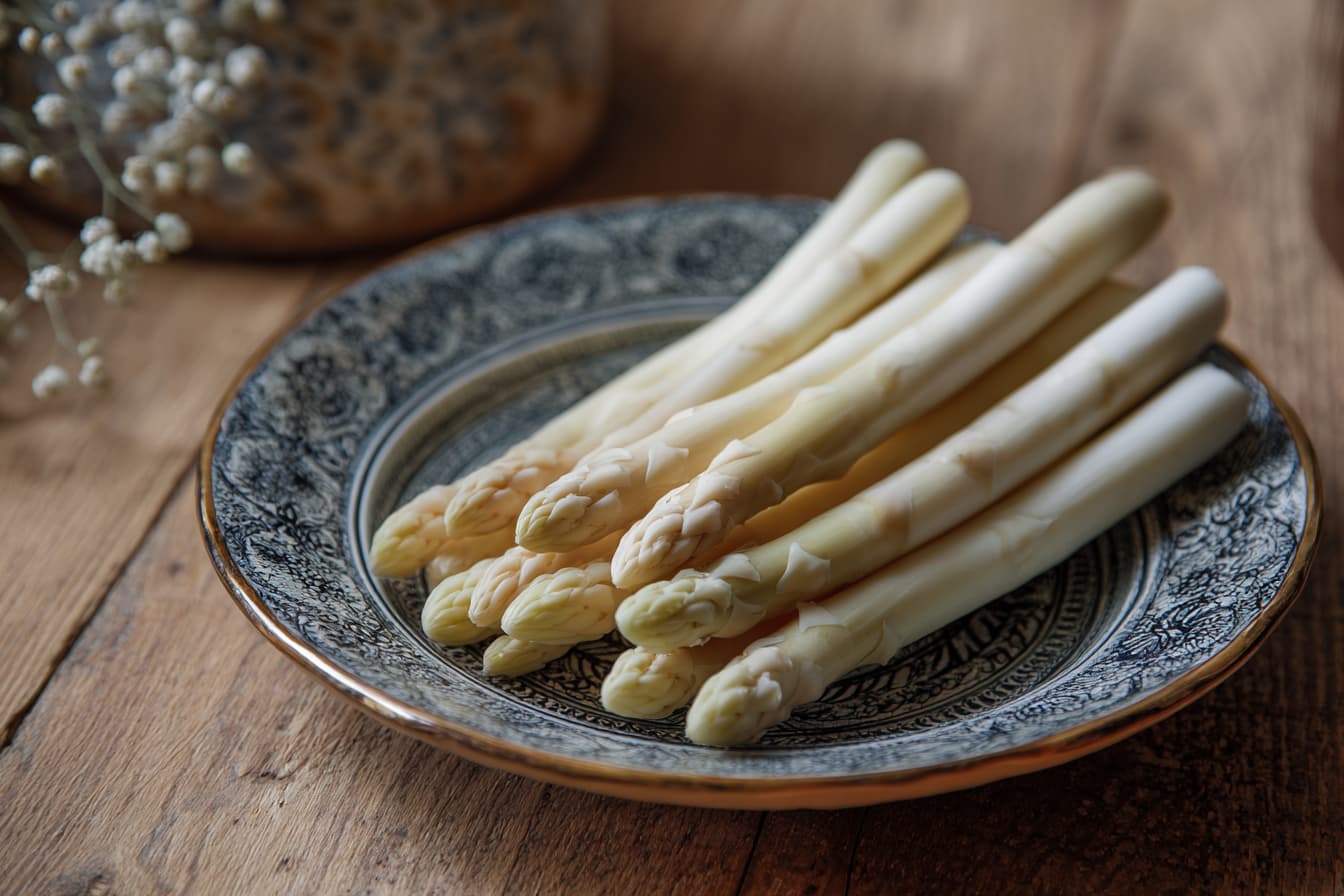
Asparagus contains a natural compound called asparagusic acid.
When your body breaks it down, it produces sulfur-containing compounds, the same family of compounds responsible for the smell of things like garlic or even a struck match.
These compounds are:
- absorbed into the bloodstream
- filtered by the kidneys
- and quickly released in urine
That’s where the smell comes from.
Why does it smell so strong?
Sulfur compounds are extremely potent, even in tiny amounts.
Your nose can detect them at very low concentrations, which is why the change feels so sudden and intense.
Fun (and slightly strange) fact:
Sulfur compounds are extremely potent, even in tiny amounts.
Your nose can detect them at very low concentrations, which is why the change feels so sudden and intense.
Not everyone experiences this the same way.
- Some people don’t produce these compounds at all
- Others do, but can’t smell them due to genetic differences
So yes, it’s entirely possible that you smell it, and someone else doesn’t.
Other Foods That Can Change the Smell of Your Urine
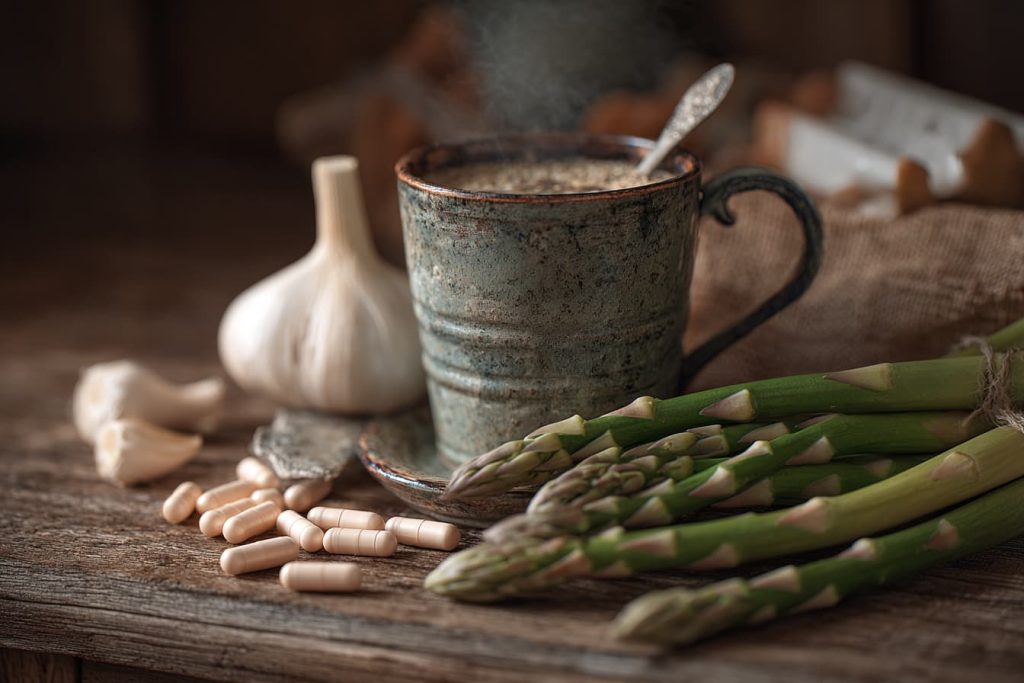
Asparagus may be the most famous example, but it’s far from the only one.
Many everyday foods and supplements can temporarily change the smell of your urine, depending on how your body processes them.
Here are some of the most common ones:
Garlic & Onions
Rich in sulfur compounds, just like asparagus.
They can create a strong, slightly sharp or “warm” scent in urine (and sometimes even in sweat).
Natural foods, including edible flowers, can have gentle but noticeable effects on how your body responds and processes nutrients.
Coffee
Coffee can make urine smell stronger or more acidic.
Part of this is due to its natural compounds, and part is simply mild dehydration.
Vitamin B Complex (especially B6)
If you’ve ever taken B vitamins and noticed:
- bright yellow urine
- a strong, almost “chemical” smell
That’s completely normal. Your body is excreting what it doesn’t need.
Alcohol
Alcohol can make urine smell:
- sharper
- more concentrated
This is mostly due to dehydration and how your liver processes it.
Supplements with Sulfur (like Alpha-Lipoic Acid)
Supplements containing sulfur compounds can create a smell very similar to asparagus, which is why the two are often confused.
Quick Cheat Sheet: Foods That Can Affect Urine Smell
- Asparagus → strong sulfur smell
- Garlic & onions → sharp, warm scent
- Coffee → acidic / stronger smell
- B vitamins → chemical + bright yellow color
- Alcohol → concentrated smell
Important to remember:
These changes are usually:
- temporary
- harmless
- and directly linked to what you’ve eaten or taken
Why This Happens (Simple Science, No Overwhelm)
At its core, this isn’t anything strange, it’s just your body doing exactly what it’s designed to do.
Your body breaks everything down
Every food you eat is processed into smaller compounds.
Some are used for energy, others for repair, and some are simply byproducts your body doesn’t need.
This is part of how your body processes nutrients, similar to how traditional foods like bone broth support digestion and overall balance.
Some compounds have a strong smell
Certain foods (especially those rich in sulfur) create volatile compounds when broken down.
These compounds:
- travel through your bloodstream
- reach your kidneys
- and are filtered into your urine
That’s when you notice the smell.
Hydration changes everything
The less hydrated you are, the more concentrated your urine becomes.
That means:
- stronger smell
- darker color
- more noticeable changes
Sometimes it’s not just the food, it’s the combination of food + low hydration.
Your nose plays a role too
Here’s something most people don’t realize:
Not everyone can smell the same things.
Genetics influence:
- how your body processes certain compounds
- and whether your brain even registers the scent
That’s why two people can eat the same meal and have completely different experiences.
Simple takeaway:
Your body filters, processes, and eliminates constantly, and sometimes, it just gets a little noticeable.
When It’s NOT Normal (What to Watch For)
In most cases, a change in urine smell after certain foods or supplements is completely harmless.
But there are a few situations where it’s worth paying closer attention.
Pay attention if you notice:
- Burning or pain when urinating
- Cloudy or unusually dark urine
- A strong, unpleasant smell that doesn’t go away
- Frequent urge to urinate (more than usual)
- Lower abdominal discomfort or pressure
- Fever or general discomfort
What it could mean
These symptoms may be linked to:
- urinary tract infections (UTIs)
- dehydration
- imbalances in blood sugar
- or other underlying conditions
Not always serious, but worth checking if they persist.
A simple rule to follow
If the change in smell is:
- short-term
- clearly linked to something you ate or took
- and comes with no other symptoms
it’s almost always completely normal.
But if it:
- lasts more than a couple of days
- or comes with discomfort
it’s a good idea to consult a healthcare professional, just to be sure.
Simple Ways to Reset & Support Your Body
If you notice a change in urine smell and want to bring your body back to balance, there’s no need for anything complicated.
Simple, supportive habits are more than enough.
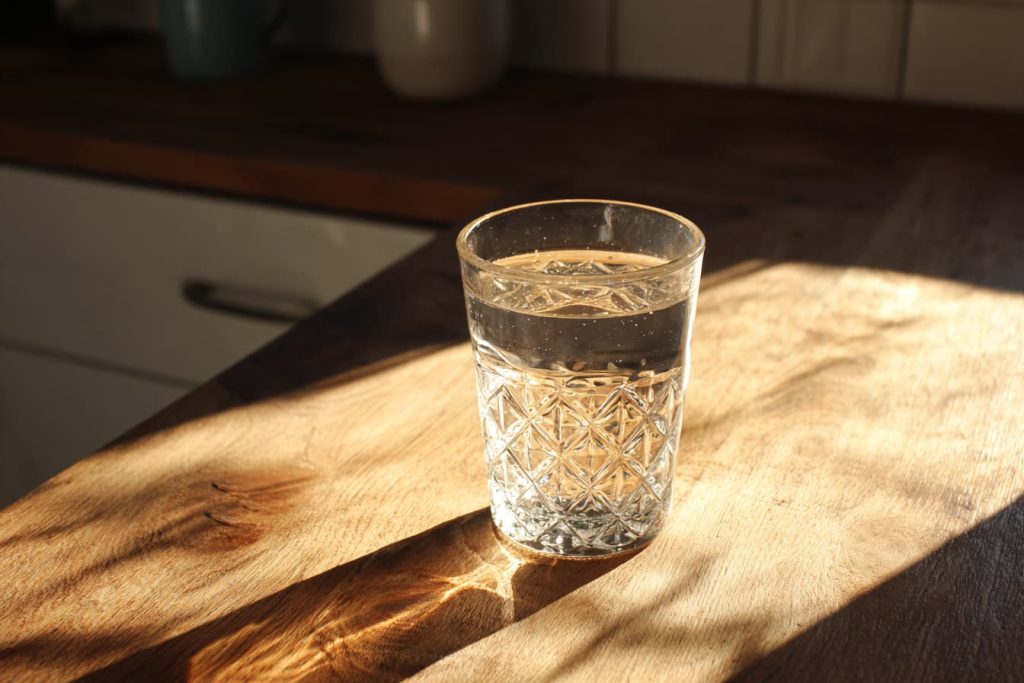
Stay well hydrated
Water helps dilute urine and flush out byproducts more efficiently.
A small increase in hydration can make a noticeable difference within hours.
Balance your meals
If you’ve had a meal rich in strong compounds (like asparagus or garlic), simply balance it with:
- fresh vegetables
- whole foods
- lighter meals
Your body will naturally regulate itself.
Go easy on stimulants
Coffee and alcohol can intensify both smell and concentration.
If you notice changes, try reducing them for a day or two.
Pay attention, not panic
Your body gives signals all the time, most of them are completely normal.
The key is to:
- observe patterns
- notice what triggers what
- and respond with awareness, not worry
Sometimes, your body communicates in subtle ways and sometimes, not so subtle at all.
A change in urine smell after certain foods might feel surprising, but in most cases, it’s simply a sign that your body is processing, filtering, and doing exactly what it’s meant to do.
Trust the process, stay curious, and listen, your body usually knows what it’s doing.
This is just one example of how your body communicates, often in simple, everyday ways.
FAQ – Why Urine Smells After Eating Asparagus (Is It Normal?)
Why does urine smell after eating asparagus?
Asparagus contains a compound called asparagusic acid. When your body breaks it down, it produces sulfur-containing compounds that are released through urine — creating that strong, unusual smell.
Does everyone experience asparagus urine smell?
No. Some people don’t produce the compounds responsible for the smell, while others produce them but can’t detect the scent due to genetic differences.
How long does the smell last after eating asparagus?
It usually appears within 15–60 minutes and can last a few hours, depending on your metabolism and hydration levels.
Is it normal if my urine smells strong after certain foods?
Yes. Foods like asparagus, garlic, coffee, and certain vitamins can temporarily change the smell of urine. This is usually harmless and short-lived.
When should I be concerned about urine smell?
If the smell is persistent and comes with symptoms like pain, burning, cloudy urine, or fever, it’s best to consult a healthcare professional.