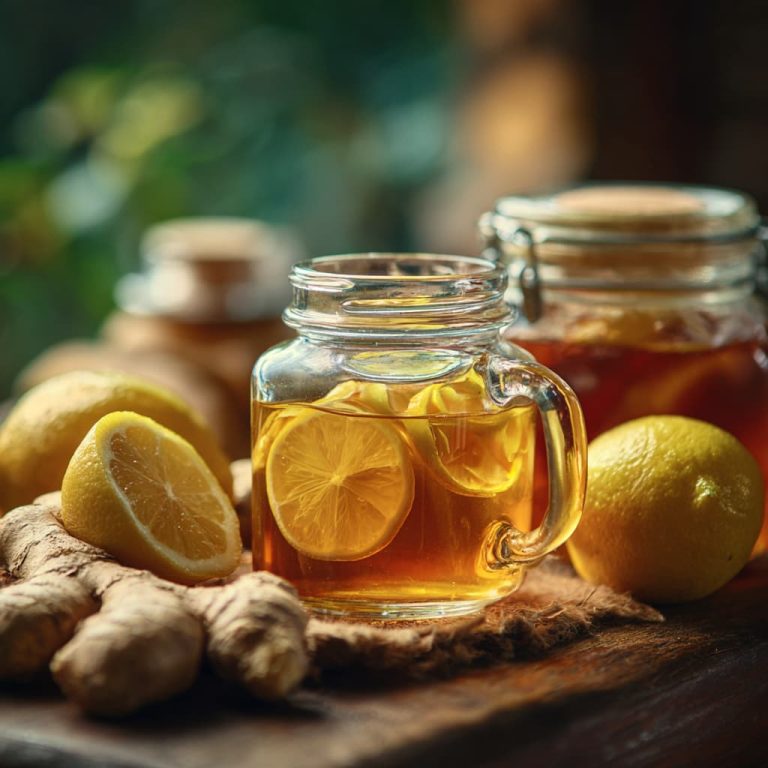
Calming herbal teas are one of the simplest ways to relax the nervous system naturally. Whether you’re feeling stressed, anxious, tense, or simply need a quiet moment, the right tea can help signal your body to slow down and unwind.
Few rituals feel as instantly comforting as holding a warm cup of tea. Beyond its flavor and aroma, tea offers something deeper, a moment of pause, presence, and calm. For centuries, people have turned to herbal infusions not just for taste, but for their gentle ability to soothe the body and quiet the mind.
Calming herbal teas offer a simple, natural way to relax your body and ease a busy mind.
Explore our full Natural Remedies library for additional support.
When Calming Herbal Teas Are Most Helpful
- During periods of stress or anxiety
- In the evening to support relaxation
- Before sleep as part of a wind-down ritual
- During hormonal shifts or emotional overwhelm
- When tension affects digestion or sleep
Plants are powerful allies in balancing our nervous system. Certain herbs contain natural compounds, like flavonoids, terpenes, and alkaloids, that influence neurotransmitters such as GABA and serotonin, helping the body transition from stress to relaxation.
Calming herbal teas are a gentle and natural way to support the nervous system, especially during moments of stress or mental overwhelm.
Some act as adaptogens, supporting the body’s ability to adapt to stress, while others function as mild anxiolytics, gently easing tension and racing thoughts. Science continues to uncover how these botanical ingredients work in synergy to restore calm and improve sleep quality.
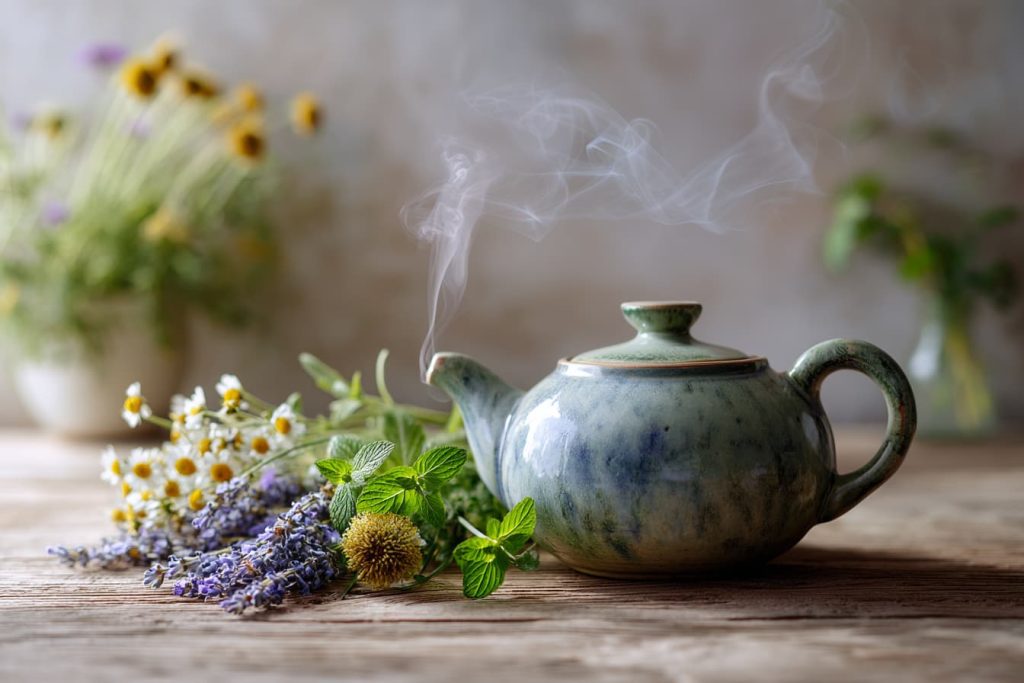
Top Calming Herbal Teas for Mind and Body
Chamomile
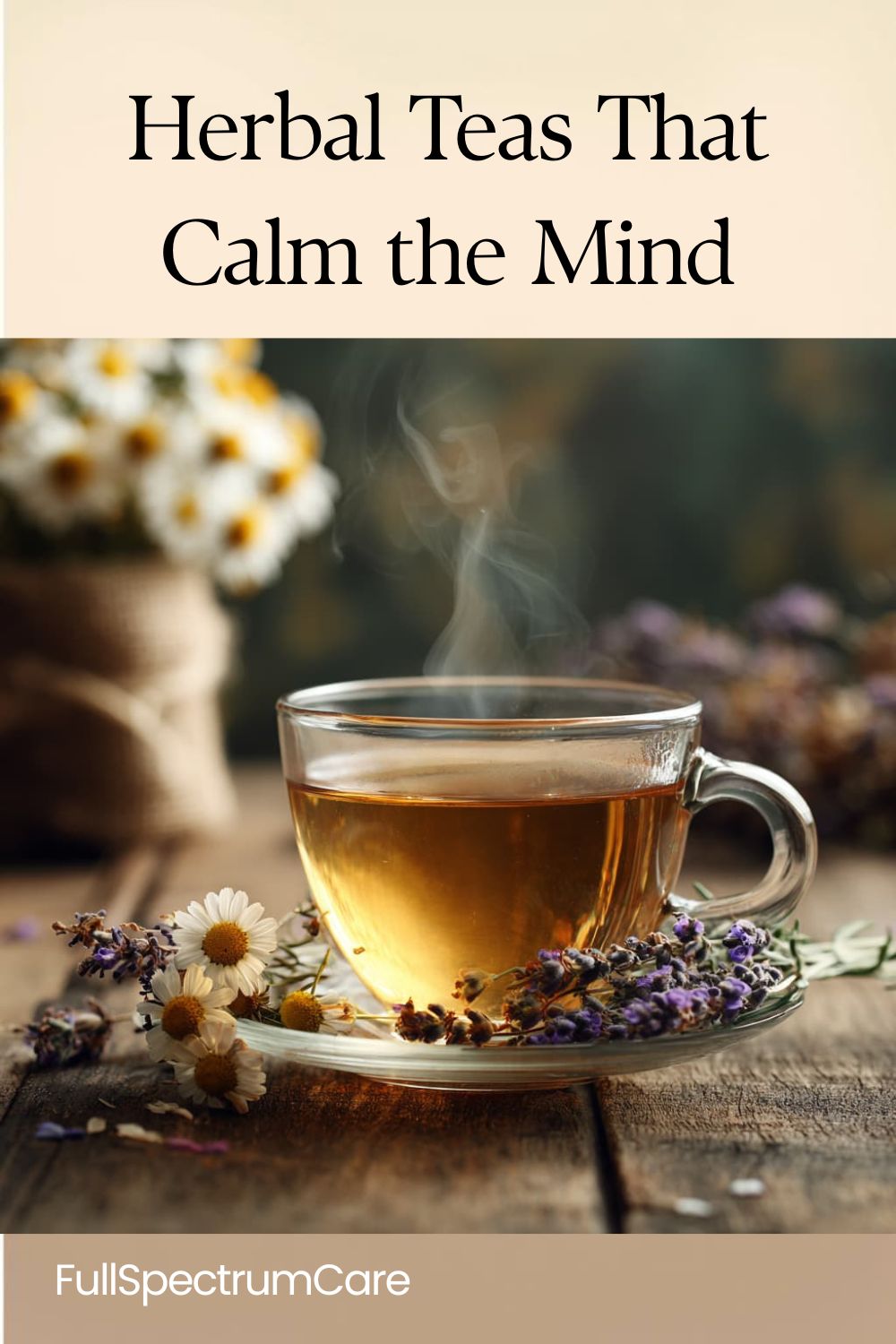
Perhaps the most iconic calming herb, chamomile is rich in apigenin, a compound that binds to receptors in the brain and promotes relaxation. It’s ideal for winding down at the end of the day, easing both mental stress and digestive discomfort. A cup before bedtime can help you drift naturally into deeper rest.
How to use:
Steep 1–2 teaspoons of dried chamomile flowers in hot (not boiling) water for 5–10 minutes. Best enjoyed in the evening or as part of a bedtime ritual.
Lemon Balm (Melissa)
Bright, citrusy, and lightly sweet, lemon balm lifts the mood and eases anxious thoughts.
Studies show it can improve alertness while reducing tension, making it a lovely choice for afternoon calm. Pair it with mint or lavender for a balanced blend.
How to use:
Use fresh or dried leaves and steep for 5–10 minutes. Ideal during the afternoon or early evening when stress begins to rise.
Lavender
Lavender isn’t only for aromatherapy, steeped as a tea, its floral essence relaxes the nervous system, slows the heart rate, and helps regulate breathing. It’s particularly soothing for emotional overwhelm and can be used in small amounts blended with chamomile or rose.
How to use:
Use a small amount (½–1 teaspoon dried flowers) and steep for about 5 minutes. Best used as a blend rather than on its own.
Peppermint
Refreshing and cooling, peppermint tea clears mental fog and relieves tension headaches caused by stress. It helps the body release physical tightness, making space for mental clarity. For a gentler evening cup, combine it with lemon balm or passionflower.
How to use:
Steep fresh or dried peppermint leaves for 5–7 minutes. Drink after meals or during moments of mental fatigue rather than late at night.
Passionflower
Known for its sedative qualities, passionflower increases GABA activity in the brain, the neurotransmitter that quiets overstimulation. It’s excellent for restlessness, overthinking, and sleepless nights. Sip it solo or blended with chamomile before bed.
How to use:
Steep dried passionflower for 10 minutes. Best taken in the evening as part of a wind-down routine.
Ashwagandha or Tulsi (Holy Basil)
Both are revered adaptogens in Ayurvedic tradition. Ashwagandha strengthens resilience and balances cortisol, while Tulsi supports emotional grounding and inner peace. These herbs work beautifully as part of a daily stress-prevention ritual.
How to use:
Ashwagandha is usually taken as a powder or decoction rather than a light tea. Tulsi leaves can be steeped for 5–10 minutes and enjoyed daily, especially in the morning or early afternoon.
If your mind feels restless, a cup of calming herbal teas can encourage slower breathing and a softer mental focus.
Calming herbal teas are just one part of a broader approach to nervous system balance. Explore our guide to natural remedies for stress relief for adaptogens, grounding oils, and daily rituals that support long-term resilience.
How to Create a Calming Tea Ritual
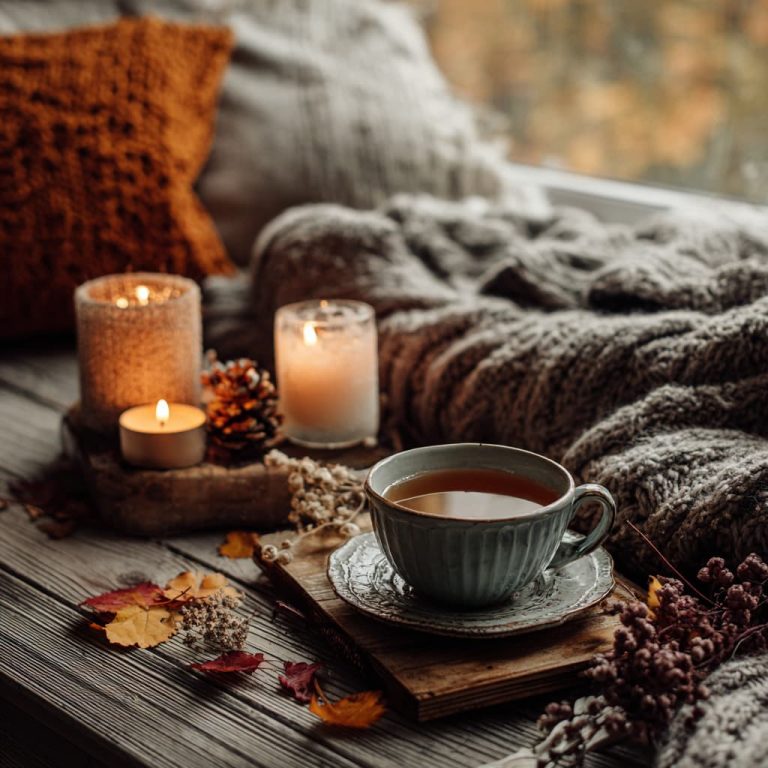
Turn your tea into a small ceremony of mindfulness. Here’s how:
- Choose one calming herb or blend. Select your herbs based on how you want to feel, lighter energy for the morning, deeper calm for the evening.
- Use warm (not boiling) water for delicate herbs.
- Steep for 5–10 minutes. Watch the water change color, inhale the aroma.
- Drink slowly, without distractions. Feel the warmth travel through your body. Notice the subtle shifts, how your shoulders drop, your breath slows, your mind softens.
- Pair your tea with deep breathing or quiet music.
With each cup, you’re not just hydrating; you’re reconnecting with yourself.
When to Sip: Morning vs. Evening Calm
- Morning Grounding: Start your day with lemon balm or Tulsi to center your thoughts before diving into tasks.
- Afternoon Reset: Choose peppermint or lavender for a gentle pick-me-up that doesn’t overstimulate.
- Evening Unwind: End the day with chamomile or passionflower to ease tension and prepare your body for rest.
Listening to your body’s rhythm will help you find the best time for your tea ritual. Each blend becomes a way to communicate with your own energy.
Pairing Herbal Teas with Wellness Practices
Enhance your relaxation by pairing your tea ritual with calming activities:
- Practice Niksen, simply sit and do nothing while you sip.
- Try slow breathing or gentle stretching to deepen the sense of calm.
- Use your tea time as a cue for journaling or setting gentle intentions for the day or evening.
Together, these rituals help anchor the body in presence and peace. Pair your calming tea ritual with gentle time outdoors. Practices like forest bathing at home can help deepen relaxation by supporting parasympathetic nervous system activation and reducing stress overload.
Herbal teas work beautifully alongside simple breathing techniques. Combining warm tea with intentional breathwork for stress can enhance nervous system regulation and create a more grounded state of calm.
Studies show that calming herbal teas can influence neurotransmitters linked to relaxation, helping the body shift from tension to ease.
A Moment of Stillness in Every Cup
Each sip of herbal tea is an invitation to slow down. Whether you’re easing into the day or releasing its weight at night, let your cup be a reminder that calm is always within reach – simple, natural, and brewed with intention.
Integrating calming herbal teas into your daily routine is a simple way to nurture inner peace and reconnect with your own rhythm.
FAQ
What tea is best for stress and anxiety?
Chamomile, lemon balm, and passionflower are all excellent choices for easing anxiety and promoting relaxation.
Are herbal teas caffeine-free?
Most herbal teas are naturally caffeine-free, making them ideal for evening routines or anyone sensitive to stimulants.
Can I drink calming herbal teas every day?
Most calming herbal teas are gentle enough for daily use, but it’s best to rotate herbs and listen to your body.
Can I mix different herbs in one blend?
Yes, blending herbs allows you to tailor flavor and function. Try chamomile with lavender for deep calm, or lemon balm with peppermint for gentle clarity.