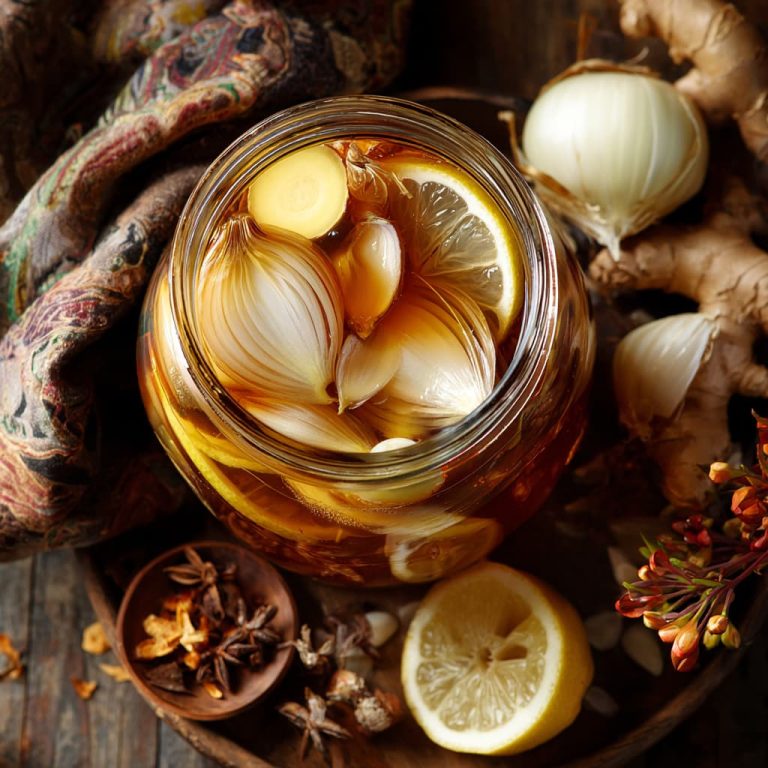

Stress has become an almost constant background noise in modern life. Deadlines, digital overload, lack of rest, and emotional pressure can leave both the mind and body in a state of ongoing tension. While occasional stress is a natural part of life, persistent stress can affect sleep, digestion, mood, and overall well-being.
Natural remedies for stress relief offer gentle ways to calm the nervous system without overwhelming the body. Instead of forcing relaxation, these approaches work by supporting balance, through herbs, calming rituals, nourishing foods, and simple daily habits.
By integrating small, consistent practices, it’s possible to create moments of calm that gradually build resilience. Natural remedies for stress relief are not about instant fixes, but about restoring steadiness in a sustainable, mindful way.
Explore our full Natural Remedies library for additional support.
How Stress Affects the Body
Understanding how stress impacts the body helps explain why natural remedies for stress relief can be so effective.
For example, prolonged stress is often linked to digestive discomfort and bloating, increased tension-related headaches, worsening hormonal and menstrual discomfort, and even higher levels of chronic inflammation.
The Nervous System & “Fight or Flight”
When stress is triggered, the body activates the sympathetic nervous system, often called the “fight or flight” response. Heart rate increases, muscles tense, and digestion slows. This reaction is useful in short bursts, but when activated repeatedly, it can lead to fatigue and discomfort.
Digestion & Gut Health
Chronic stress can disrupt digestive function, leading to bloating, stomach discomfort, or irregular digestion. Calming the nervous system often improves digestive comfort, which is why herbal teas and gut-supportive remedies can play a supportive role.
Sleep Disruption
Elevated stress levels can make it difficult to fall asleep or stay asleep. A restless mind often keeps the body in a semi-alert state, preventing deep, restorative rest.
Muscle Tension & Headaches
Stress frequently manifests as physical tightness in the neck, shoulders, and jaw. Over time, this tension may contribute to headaches and general muscle discomfort.
Inflammation & Overall Balance
While short-term stress is manageable, ongoing stress may influence inflammation levels and overall balance in the body. Supporting calm and recovery is therefore an important part of long-term wellness.
Natural remedies for stress relief focus on gently shifting the body from “fight or flight” toward a more relaxed, restorative state.
Rather than addressing each symptom separately, supporting nervous system regulation often creates broader, more sustainable improvement. Gentle daily practices, adaptogenic herbs, calming nervines, and grounding rituals work best when viewed as tools for nervous system balance rather than quick fixes.
Cleveland Clinic explains how chronic stress can influence digestion, sleep, and muscle tension, reinforcing the importance of consistent stress management practices.
Herbal Remedies for Stress Relief
Herbal remedies have been used for centuries to support emotional balance and nervous system calm. Many herbs gently encourage relaxation without causing heaviness, making them suitable for daily use as part of a mindful stress relief routine.
Below are some of the most trusted herbal remedies for stress relief and how they are traditionally used.
Chamomile
Chamomile is one of the most widely recognized calming herbs. It contains natural compounds that support relaxation and help ease nervous tension.
Best for:
- evening stress
- restlessness
- mild stress-related digestive discomfort
How to use:
As a warm tea in the evening or before bed. It pairs well with lemon balm or lavender for a deeper calming effect.
Lemon Balm (Melissa)
Lemon balm has a gentle uplifting quality while still promoting calm. It’s especially helpful when stress feels mental rather than purely physical.
Best for:
- racing thoughts
- stress linked to anxiety
- “nervous digestion”
How to use:
As a tea during the afternoon or early evening. It blends beautifully with peppermint or chamomile.
Supporting digestion through calming herbal teas may also help regulate the gut–brain axis, a key pathway between stress and digestive balance.
Lavender
Lavender is often associated with aromatherapy, but it can also be enjoyed as a tea or used in herbal blends. Its floral profile supports relaxation and emotional ease.
Best for:
- emotional overwhelm
- tension headaches
- bedtime routines
How to use:
In small amounts as tea or through diluted essential oil in aromatherapy.
Passionflower
Passionflower is traditionally valued for its ability to calm an overactive mind. It gently supports the nervous system, making it a popular choice for evening stress relief.
Best for:
- overthinking
- difficulty winding down
- mild sleep disturbances linked to stress
How to use:
As a tea before bed or blended with chamomile.
Ashwagandha or Tulsi (Holy Basil)
These herbs are often referred to as adaptogens, plants traditionally used to help the body adapt to stress. Rather than acting as immediate relaxants, they support resilience over time.
Best for:
- ongoing stress
- fatigue linked to pressure
- long-term nervous system support
How to use:
As a tea or supplement form (if choosing supplements, consult a healthcare professional).
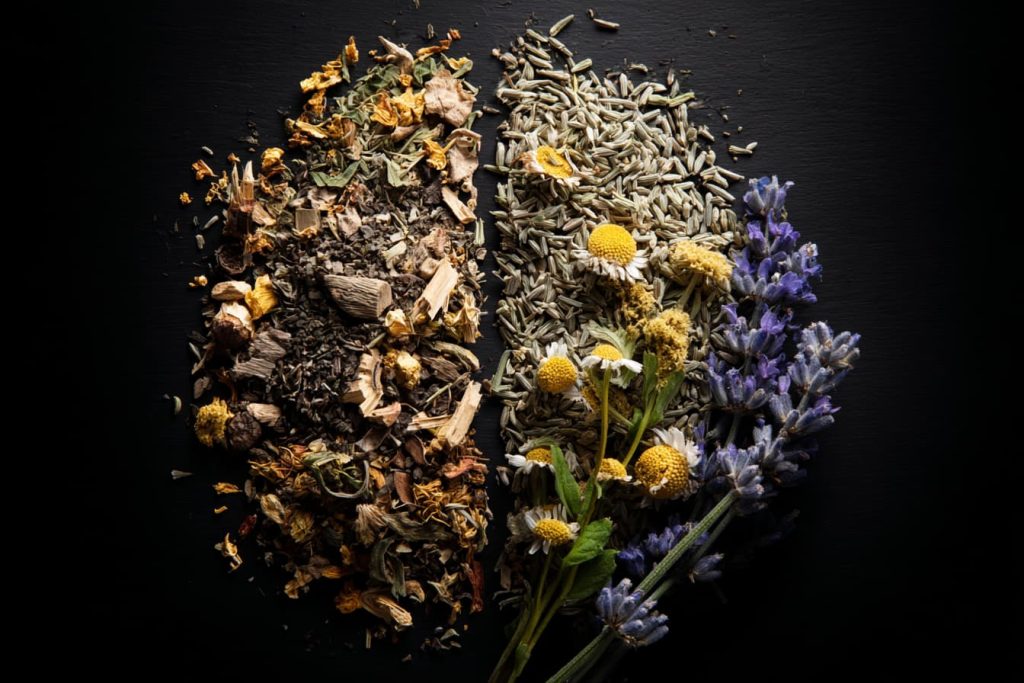
While chamomile and lavender are well-known calming herbs, traditional herbal systems around the world offer many other plants that support resilience, clarity, and nervous system balance. These lesser-known herbs can be especially valuable when stress is ongoing or mentally draining.
Rhodiola (Rhodiola rosea)
Rhodiola is a northern adaptogenic herb traditionally used in colder climates to help the body handle physical and mental strain. Rather than causing sedation, it supports clarity and balanced energy during stressful periods.
Best for:
- mental fatigue
- burnout
- stress with low energy
How it works:
Rhodiola supports the body’s stress response and may help maintain steadier energy levels during demanding times.
How to use:
Typically taken earlier in the day as tea, tincture, or capsule.
Siberian Ginseng (Eleuthero)
Eleuthero is another adaptogen traditionally used to promote endurance and resilience. It is often chosen when stress feels long-term and physically draining.
Best for:
- chronic stress
- low stamina
- recovery after prolonged pressure
How to use:
Best taken in the morning or early afternoon. Not typically used as a bedtime herb.
Saffron
Saffron is one of the most intriguing natural remedies for stress relief. Traditionally used in Middle Eastern and Mediterranean cultures, it has been valued for its mood-supportive qualities.
Best for:
- emotional heaviness
- seasonal mood dips
- stress-related low mood
How to use:
A small pinch steeped in warm water or added to herbal tea blends.
(Важно: държим го внимателно, без „antidepressant“ твърдения.)
Skullcap (Scutellaria lateriflora)
Skullcap is often described as a deeply calming herb for an overstimulated nervous system. It’s traditionally used when stress presents as muscle tension or restlessness.
Best for:
- jaw tension
- neck tightness
- overstimulation
How to use:
As tea or tincture in the evening.
Schisandra
Schisandra is a berry used in Traditional Chinese Medicine and valued for its balancing effects. It is considered both calming and gently energizing.
Best for:
- emotional resilience
- mental focus under stress
- balancing stress without sedation
How to use:
As tea or powder blended into warm drinks.
Oatstraw (Avena sativa)
Oatstraw is a gentle nervine herb often overlooked. It supports nourishment of the nervous system over time.
Best for:
- long-term stress
- feeling “wired but tired”
- gentle daily support
How to use:
As a mild tea suitable for regular use.
Blue Vervain
Traditionally used when stress manifests as rigidity, both mental and physical.
Best for:
- perfectionist stress
- tension headaches
- tight shoulders and neck
How to use:
Small amounts as tea or tincture.
Herbal remedies for stress relief work best when used consistently and combined with supportive habits such as restful sleep, mindful breathing, and nourishing meals.
Before choosing the right herb for your type of stress, it helps to understand two key categories used in herbal tradition: adaptogens and nervines.
Adaptogens vs. Nervines – What’s the Difference?
When exploring natural remedies for stress relief, you’ll often encounter two categories of herbs: adaptogens and nervines. While both support the nervous system, they work in different ways.
Nervines act more directly on the nervous system. They help calm, soothe, and relax. Herbs like skullcap, lemon balm, chamomile, and blue vervain are typically used when stress feels immediate, racing thoughts, tension, restlessness.
Adaptogens, on the other hand, work more gradually. Rather than calming in the moment, they help the body adapt to stress over time. Rhodiola, eleuthero, tulsi, and schisandra are traditionally used to support resilience, stamina, and balance during prolonged stress.
In simple terms:
- Nervines = calm the wave.
- Adaptogens = help you handle the storm.
If stress feels acute and overstimulating, nervines may be the better starting point. If stress feels chronic and draining, adaptogens may offer steadier long-term support.
Many people find that combining the two, for example, rhodiola in the morning and lemon balm in the evening — creates a balanced approach.
How to Choose the Right Herb for Your Type of Stress
Not all stress feels the same. For some, it shows up as mental overload and racing thoughts. For others, it manifests as fatigue, muscle tension, or emotional heaviness. Choosing the right herbal remedy for stress relief becomes easier when you recognize your stress pattern.
Below is a simple guide to help you match herbs to the way stress shows up in your body.
Mental Overload & Racing Thoughts
If stress feels like constant thinking, difficulty switching off, or overstimulation:
Consider:
- Lemon balm
- Skullcap
- Passionflower
- Blue vervain
These herbs gently calm the nervous system and support mental quiet without heavy sedation. They are especially helpful in the evening or during periods of cognitive overwhelm.
Burnout & Mental Fatigue
If stress leaves you drained, foggy, or depleted:
Consider:
- Rhodiola
- Eleuthero (Siberian ginseng)
- Schisandra
- Oatstraw
These herbs are traditionally valued for supporting resilience and steadier energy. They don’t simply calm — they help the body adapt and recover from prolonged strain.
Best used earlier in the day.
Emotional Heaviness & Mood Dips
If stress feels like low mood, irritability, or emotional sensitivity:
Consider:
- Saffron
- Lemon balm
- Tulsi (Holy Basil)
These herbs are traditionally used to support emotional balance and inner steadiness. They are gentle and often work best when used consistently rather than occasionally.
Physical Tension & Tight Muscles
If stress settles into the shoulders, neck, jaw, or back:
Consider:
- Skullcap
- Blue vervain
- Lavender
- Magnesium-rich foods (supportive alongside herbs)
These herbs are often paired with massage or warm baths to encourage muscular release and nervous system relaxation.
“Wired but Tired”
If you feel exhausted but unable to relax:
Consider:
- Oatstraw
- Tulsi
- Chamomile in the evening
This pattern often responds well to nourishing nervine herbs that support the body over time rather than force immediate sedation.
A Gentle Reminder
Herbal remedies for stress relief work best when matched thoughtfully to your symptoms. Start with one herb or blend, use it consistently, and observe how your body responds.
Stress relief is rarely about one powerful solution, it’s about small, steady shifts toward balance.
Natural Oils & Aromatherapy for Stress Relief
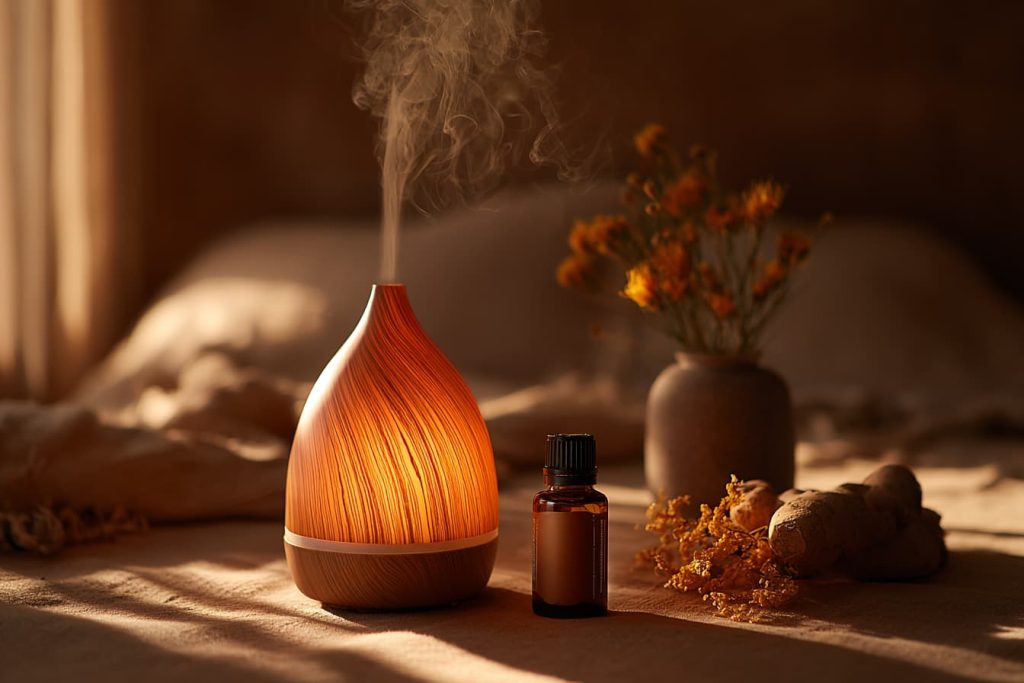
Aromatherapy works differently from teas or adaptogens. Instead of supporting the body through digestion, aromatic plant compounds interact quickly with the nervous system through scent and skin absorption. This makes oils especially helpful during moments of acute stress or tension.
Used intentionally, natural oils can become powerful stress relief tools, not because they sedate, but because they help signal safety and calm to the body.
Frankincense (Boswellia)
Frankincense has been used for centuries in contemplative practices. Its grounding aroma supports slow breathing and mental steadiness.
Best for:
- mental overwhelm
- emotional turbulence
- meditation or quiet rituals
How to use:
Diffuse 2–3 drops, or dilute in a carrier oil and apply to the chest or wrists.
Bergamot
Unlike heavier oils, bergamot feels light and mood-lifting while still calming the nervous system.
Best for:
- stress with irritability
- emotional tension
- afternoon overwhelm
How to use:
Diffuse during the day or add 1–2 diluted drops to pulse points.
(Note: bergamot oil should be used carefully on skin due to photosensitivity.)
Clary Sage
Clary sage is less commonly discussed but deeply supportive when stress feels hormonal or emotionally intense.
Best for:
- stress linked to hormonal cycles
- emotional overwhelm
- inner restlessness
How to use:
Diluted in a carrier oil for abdominal massage or added to a warm bath.
Vetiver
Vetiver is a grounding oil often described as “the oil of tranquility.” Its deep, earthy scent helps slow racing thoughts.
Best for:
- hyperactivity
- nervous agitation
- difficulty switching off
How to use:
Diffuse in the evening or apply diluted to the soles of the feet.
Rose (for Emotional Stress)
Rose oil is not just luxurious, it has traditionally been associated with emotional support and heart-centered calm.
Best for:
- grief
- emotional heaviness
- stress linked to relationships
How to use:
Diffuse in small amounts or add one diluted drop to the heart area.
Simple Aromatherapy Practices
Instead of using oils randomly, create intentional moments:
- Add calming oil to an evening wind-down ritual.
- Pair frankincense with journaling.
- Use bergamot during work breaks.
- Combine vetiver with slow breathing before sleep.
Natural remedies for stress relief are most powerful when paired with awareness and repetition.
Stress Relief Rituals You Can Practice at Home
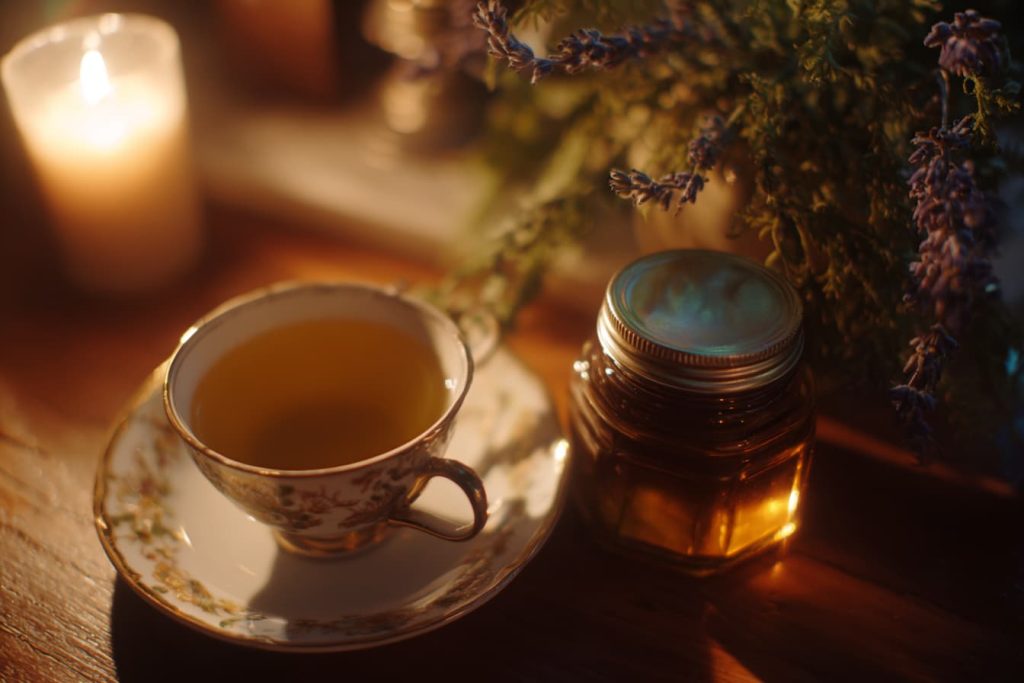
Natural remedies for stress relief become far more effective when they’re anchored in small, repeatable rituals. The nervous system responds strongly to rhythm and consistency. When the body begins to associate a specific scent, tea, or action with safety, calm becomes easier to access.
Below are simple but powerful rituals that combine herbs, oils, and sensory grounding.
The 5-Minute Nervous System Reset
Best for: sudden overwhelm, racing thoughts, emotional spikes
You’ll need:
- 1 drop frankincense or vetiver (diffused or diluted)
- a quiet space
- slow breathing
How to do it:
- Inhale slowly for 4 counts.
- Hold for 4 counts.
- Exhale for 6 counts.
- Repeat for 5 minutes.
Pairing breathwork with a grounding scent trains the brain to associate that aroma with safety.
This ritual works surprisingly fast when practiced consistently.
The Evening Wind-Down Tea & Oil Ritual
Best for: stress that lingers into the night
You’ll need:
- chamomile + lemon balm tea
- 1 drop lavender or clary sage diluted in carrier oil
How to do it:
- Drink tea slowly, without screens.
- Apply diluted oil to wrists or chest.
- Dim the lights 60 minutes before sleep.
This signals the nervous system that it’s safe to shift out of alert mode.
The “Wired but Tired” Reset
Best for: exhaustion with mental restlessness
You’ll need:
- oatstraw or tulsi tea
- magnesium-rich snack (like pumpkin seeds)
- 10 minutes of gentle stretching
Stress often locks the body in subtle tension. Movement combined with nourishing herbs helps release that loop.
The Grounding Shower Ritual
Best for: stress stored in the body
Add 2–3 drops of vetiver or frankincense to the shower floor (away from direct water stream). The steam releases the aroma while warm water relaxes muscles.
As the water runs, consciously release physical tension in:
- jaw
- shoulders
- abdomen
This simple practice helps interrupt chronic muscle guarding patterns.
The Midday Bergamot Pause
Best for: work stress, irritability, emotional overload
- Diffuse bergamot.
- Step away from your screen.
- Take 3 slow breaths before responding to emails or messages.
This micro-ritual prevents stress from compounding throughout the day.
Why Rituals Matter
Herbal remedies for stress relief work best when the nervous system learns to expect calm. Repetition builds safety. Safety builds resilience.
Small daily rituals are often more powerful than occasional, intense interventions.
Gentle outdoor practices like forest bathing can help shift the nervous system from a stress state into parasympathetic calm.
Safety & When to Seek Help
Natural remedies for stress relief are generally gentle, but thoughtful use is essential—especially when stress is ongoing or intense.
Start Low, Go Slow
If you’re introducing new herbs, begin with one at a time and observe how your body responds. This makes it easier to identify what works best for you.
Essential Oils Require Dilution
Essential oils are highly concentrated. Always dilute before applying to the skin, avoid broken or irritated areas, and use caution with phototoxic oils such as bergamot.
Adaptogens & Medical Conditions
Adaptogens like rhodiola or eleuthero may not be suitable for everyone, particularly those with certain medical conditions or who are taking prescription medications. When in doubt, consult a qualified healthcare professional.
Pregnancy & Nursing
Some herbs and essential oils are not recommended during pregnancy or while nursing. Professional guidance is advised before use.
When Stress Feels Overwhelming
Herbal remedies and rituals can support mild to moderate stress. However, if stress becomes persistent, interferes with daily life, or is accompanied by significant mood changes, professional support is important. Seeking help is a sign of strength, not weakness.
Natural remedies for stress relief are not about eliminating stress completely, but about restoring balance gently and consistently. Whether through adaptogenic herbs, calming nervines, grounding oils, or simple daily rituals, small practices repeated over time help the nervous system feel safe again.
True resilience grows from rhythm, nourishment, and awareness. By choosing remedies that match your type of stress, you create a personalized approach that supports both mind and body in a sustainable way.
FAQ – Natural Remedies for Stress Relief
What are the best natural remedies for stress relief?
Some of the most effective natural remedies for stress relief include herbal nervines like lemon balm and skullcap, adaptogens such as rhodiola and tulsi, calming essential oils like frankincense or vetiver, and consistent daily relaxation rituals.
What is the difference between adaptogens and nervines?
Nervines work more directly to calm the nervous system during acute stress, while adaptogens help the body build resilience and adapt to long-term stress over time.
Can herbal remedies really help with stress?
Herbal remedies can support the body’s stress response when used consistently and appropriately. They work best alongside healthy sleep, nutrition, and mindful daily habits.
Are natural stress remedies safe for daily use?
Many gentle herbs such as chamomile, lemon balm, and oatstraw are suitable for regular use. Stronger adaptogens or essential oils should be used thoughtfully and, when necessary, under professional guidance.
How quickly do natural remedies for stress relief work?
Some remedies, like aromatherapy or calming teas, may provide noticeable relaxation within minutes. Adaptogens generally work gradually and are most effective with consistent use over weeks.
When should I seek professional help for stress?
If stress becomes persistent, overwhelming, or interferes with daily functioning, professional support from a healthcare provider or mental health specialist is recommended.