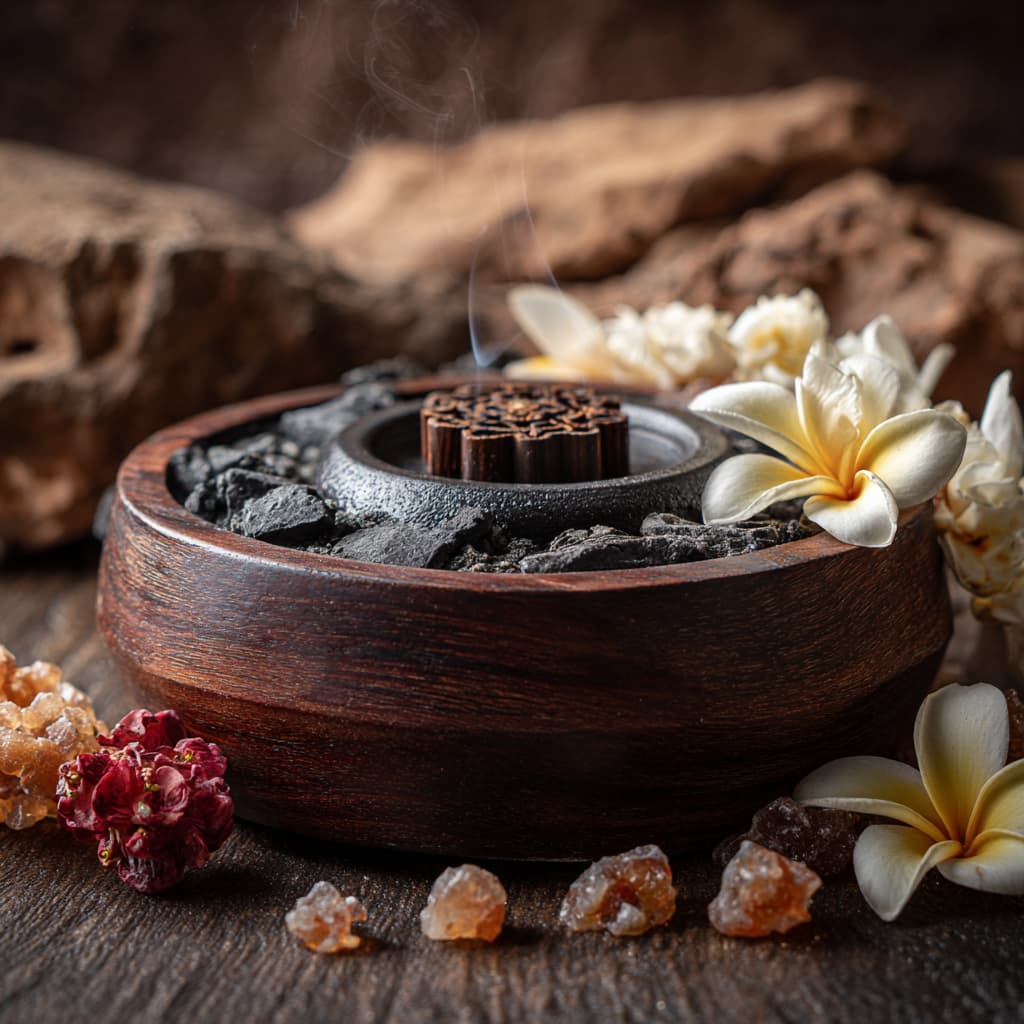

Aromatherapy has been used for thousands of years to restore balance, uplift the spirit, and create a sense of peace. While lavender, peppermint, and eucalyptus are well-known worldwide, many cultures have developed their own unique aromatic traditions. These rituals combine natural scents with symbolic practices, creating deep connections between fragrance, mindfulness, and wellbeing. Here are some fascinating examples of aromatherapy rituals from around the world that you may not have tried yet.
Japan: Kōdō – The Way of Incense
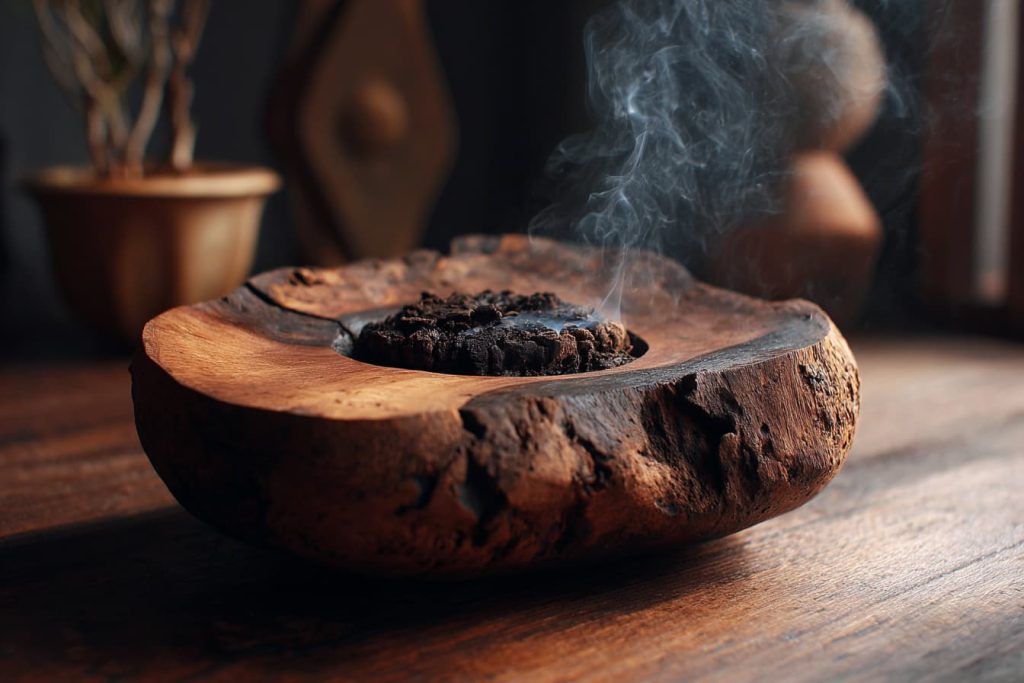
Kōdō, often called “the way of incense,” is a refined Japanese art form that dates back to the 14th century. Unlike simply burning incense for fragrance, Kōdō is a meditative ritual where participants “listen” to the scent of rare woods like agarwood (aloeswood) and sandalwood. The experience is not about masking odors, but about cultivating mindfulness and appreciation of subtle aroma notes. Kōdō gatherings are highly ceremonial, with specific tools, etiquette, and even poetic games built around scent. Today, practicing a simplified version at home – burning natural Japanese incense sticks in a quiet, intentional setting – can bring a moment of mindfulness and calm.
Middle East: Bukhoor – Scented Wood Chips
In Arabian culture, bukhoor refers to wood chips soaked in fragrant oils such as sandalwood, amber, musk, or rose. These chips are burned in a special incense burner (mabkhara), producing rich smoke that perfumes clothing, hair, and living spaces. Traditionally, bukhoor is used on special occasions like weddings or family gatherings, symbolizing hospitality, joy, and blessings. Its deep, resinous aroma lingers long after the smoke has faded, creating a grounding and luxurious atmosphere. For a modern ritual, lighting bukhoor after a long day can transform your home into a serene retreat.
Start small but powerful routines with these Daily Wellness Habits.
India: Floral Garlands and Ritual Offerings
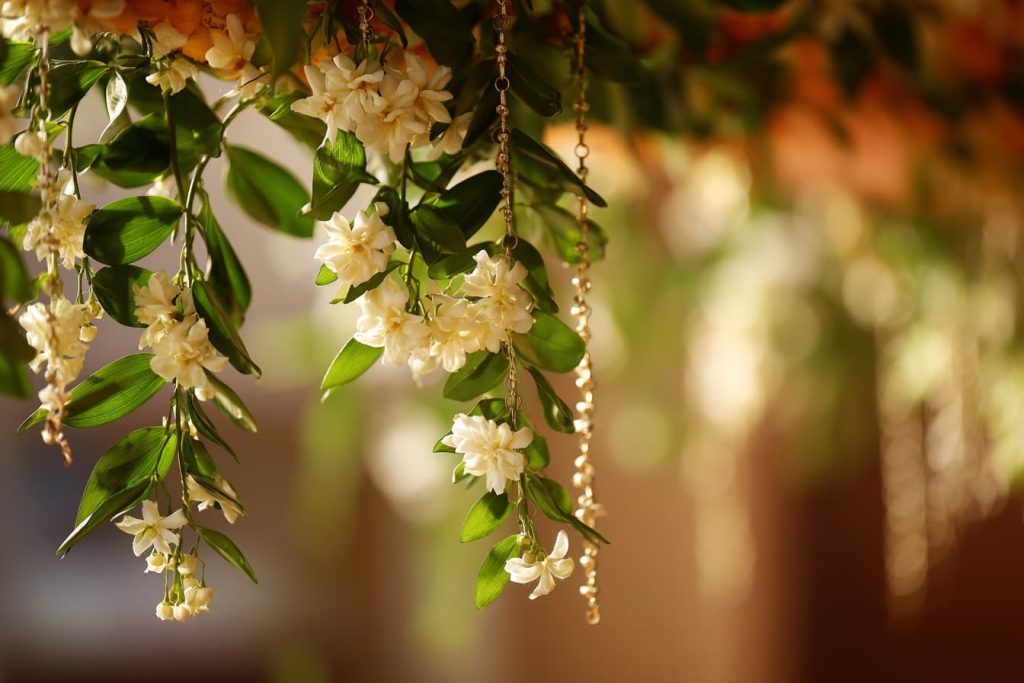
In India, flowers play a central role in spiritual practice and daily life. Fragrant blooms like jasmine, marigold, and rose are woven into garlands (called malas) and offered in temples, weddings, and ceremonies. The act of stringing flowers is itself meditative, and the aroma represents purity, devotion, and beauty. Beyond religious settings, wearing fresh flowers in the hair or placing them in a room creates a subtle yet uplifting form of aromatherapy. You can adopt this tradition by keeping a small vase of fresh, fragrant flowers in your workspace or bedroom for natural mood enhancement.
Refresh your home naturally with our DIY Natural Home Scents.
Hawaii & Polynesia: Fragrant Lei
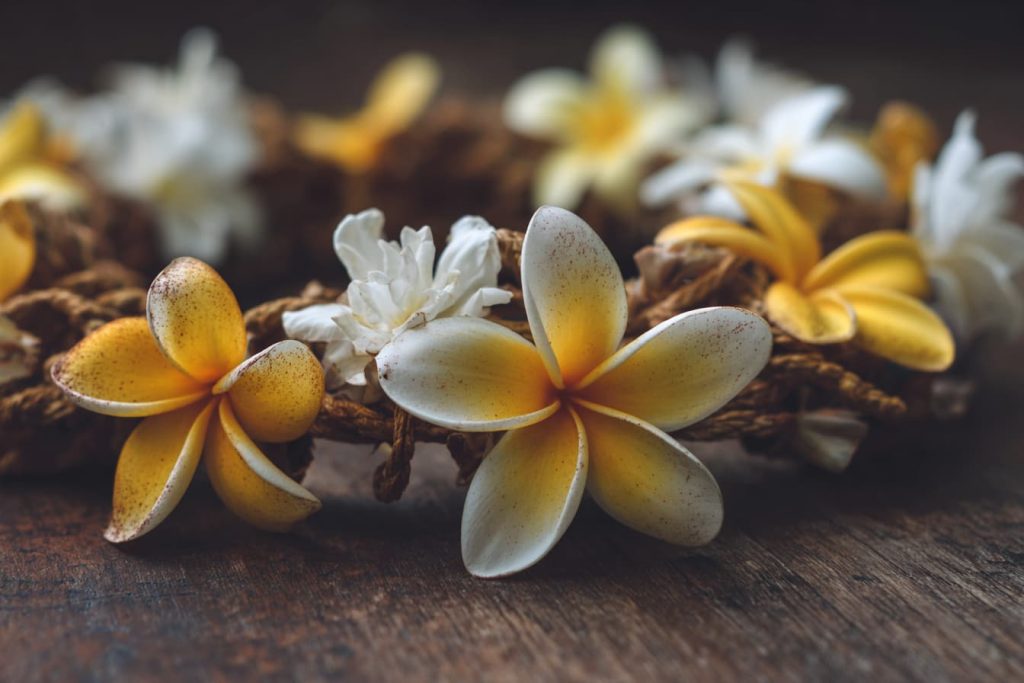
In Hawaiian culture, leis made from plumeria, pikake, and tuberose are given as a sign of love, respect, and welcome. The intoxicating fragrance of these flowers not only symbolizes connection but also creates an immersive sensory experience. Wearing or gifting a lei is both a cultural tradition and an aromatic ritual that promotes joy and emotional bonding.
North Africa: Frankincense and Myrrh
Used for centuries in Egyptian, Ethiopian, and Arabian traditions, frankincense and myrrh are powerful resins with deep spiritual associations. Burned on charcoal, they release a sweet, resinous aroma often linked to meditation and prayer. Frankincense in particular has been studied for its grounding and stress-relieving properties. Incorporating these resins into your rituals – whether through incense, essential oils, or resin burners – can help create a sacred and tranquil space at home.
Modern Adaptations
Some of these practices are deeply ceremonial, but you can bring their essence into daily life with simple adaptations:
- Burn natural incense mindfully instead of as background fragrance
- Create your own “mini bukhoor” ritual with essential oils on wood chips or resin burners
- Keep fresh, fragrant flowers nearby for a natural uplift
- Explore essential oils from resins (like frankincense) to use in diffusers
Bring nature into your daily life with calming practices like Forest Bathing at Home.
From Japanese incense ceremonies to Arabian bukhoor and Indian flower garlands, aromatherapy rituals from around the world reveal how fragrance is more than just a pleasant scent – it’s a pathway to mindfulness, calm, and cultural connection. By exploring these traditions, we can enrich our own daily rituals and discover new ways to restore balance and serenity.
For a full at-home spa experience, pair aromatherapy with our Homemade Hair Masks for Damaged Hair, rich, hydrating and perfect for weekly care.
FAQ
What is Kōdō?
Kōdō is the Japanese “way of incense,” a meditative practice of appreciating the aroma of rare woods like agarwood in a ceremonial setting.
What is bukhoor used for?
Bukhoor, aromatic wood chips soaked in oils, is burned to perfume homes, clothing, and gatherings in Middle Eastern culture, symbolizing joy and blessings.
Which flowers are used in Indian garlands?
Common flowers include jasmine, marigold, and rose. These garlands are offered in ceremonies or worn for their uplifting fragrance.
Why is frankincense important?
Frankincense resin has spiritual and therapeutic significance, used for centuries in rituals to promote calm, focus, and sacred atmosphere.