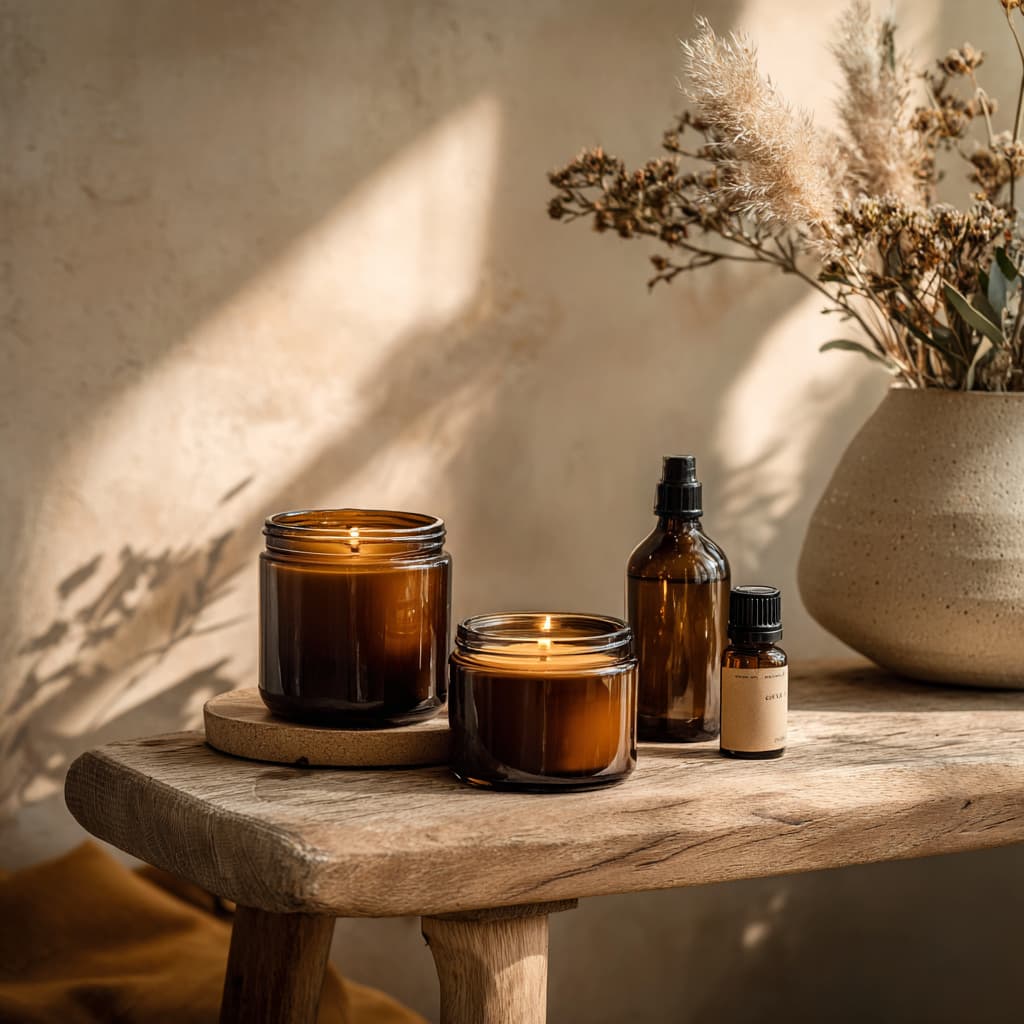

Homemade candles with essential oils are a beautiful way to bring warmth, calm, and natural fragrance into your home, without relying on synthetic scents or paraffin wax. When made thoughtfully, essential oil candles can support a non-toxic home, cozy rituals, and mindful living.
In this guide, you’ll learn how to make homemade candles with essential oils step by step, which waxes and oils work best, safe scent ratios, and common mistakes to avoid.
Why Choose Homemade Candles with Essential Oils?
Many store-bought candles contain paraffin wax and artificial fragrance oils that can release unwanted chemicals into the air. Making your own candles allows you to:
- Choose natural, non-toxic waxes
- Use pure essential oils instead of synthetic fragrances
- Control scent strength and ingredients
- Create a cozy, intentional home ritual
Homemade candles are also a creative, relaxing DIY project—and make thoughtful gifts.
Are Essential Oil Candles Safe?
Yes, when made correctly.
Essential oils are highly concentrated plant extracts, which means less is more. Safety depends on:
- Using appropriate essential oil amounts
- Adding oils at the correct wax temperature
- Choosing oils suitable for home use
- Being mindful around pets, children, and pregnancy
Essential oils are different from fragrance oils. Fragrance oils are designed for strong scent throw, while essential oils offer a more subtle, natural aroma.
According to the Tisserand Institute, essential oils should be used in appropriate concentrations, especially when heated, to ensure safety and effectiveness.
Best Wax for Homemade Candles
Choosing the right wax is key for clean-burning, natural candles.
Soy Wax
- Plant-based and renewable
- Clean-burning and beginner-friendly
- Holds essential oils well
Beeswax
- Naturally air-purifying
- Slow-burning and long-lasting
- Naturally scented (less oil needed)
Coconut Wax
- Smooth texture and excellent scent diffusion
- Often blended with soy for stability
Avoid: Paraffin wax and wax blends with synthetic additives.
Best Essential Oils for Candles
Not all essential oils perform equally in candles. These are reliable, beginner-friendly options:
Relaxing & Calming
- Lavender
- Roman chamomile
- Ylang ylang
Fresh & Clean
- Eucalyptus
- Tea tree
- Rosemary
Uplifting & Energizing
- Sweet orange
- Lemon
- Bergamot (FCF only)
Grounding & Cozy
- Cedarwood
- Sandalwood
- Frankincense
Always use 100% pure essential oils and avoid blends intended for skin unless they’re candle-safe.
How to Make Homemade Candles with Essential Oils (Step-by-Step)
What You’ll Need
- Natural wax (soy, beeswax, or coconut)
- Cotton or wooden wick
- Heat-safe glass jars or tins
- Essential oils
- Double boiler or heat-safe bowl
- Thermometer (recommended)
Step 1: Melt the Wax
Melt the wax slowly using a double boiler until fully liquid.
Step 2: Cool Slightly
Allow the wax to cool to about 60–65°C (140–150°F) before adding essential oils.
Step 3: Add Essential Oils
Stir gently for 30–60 seconds to distribute the oils evenly.
Step 4: Pour the Wax
Secure the wick in the container and carefully pour the wax.
You can secure the wick in several simple ways:
- Use a wick sticker or glue dot to attach it to the bottom of the jar
- Dip the metal wick base into a little melted wax and press it firmly onto the container
- Hold the wick centered using a wooden skewer, chopstick, or clothespin placed across the top of the jar
Make sure the wick stays straight and centered while the wax cools.
Step 5: Cure the Candle
Let candles cure for 24–48 hours before lighting.
Essential Oil Ratios for Candles
A safe and effective guideline:
- 20–30 drops of essential oil per 100 g (3.5 oz) of wax
Beeswax often requires less oil due to its natural scent. Avoid exceeding recommended amounts, as too much oil can affect burn quality.
For improving indoor air quality beyond scent, air-purifying indoor plants are another gentle, natural option.
Common Mistakes to Avoid
- Adding essential oils to overheated wax
- Using too much oil
- Choosing the wrong wick size
- Lighting candles before curing
- Expecting very strong scent throw (essential oils are subtle)
Homemade Candles as a Home Ritual
Lighting a handmade candle can become a grounding daily ritual during an evening wind-down, meditation, or slow morning routine. These candles are less about overpowering scent and more about atmosphere, warmth, and intention.
Homemade candles can also become part of your seasonal home rituals, helping you refresh your space gently and naturally throughout the year.
When Essential Oil Candles Aren’t Ideal
Avoid burning essential oil candles:
- In poorly ventilated spaces
- Around sensitive pets (especially cats)
- During pregnancy unless oils are approved
For scenting alternatives, consider natural simmer pots or fresh air ventilation.
If you’re looking for gentle alternatives to candles, explore our DIY natural home scents for non-toxic ways to freshen your space.
Learning how to make homemade candles with essential oils is a simple, rewarding way to support a non-toxic home and slow living lifestyle. With natural waxes, mindful oil choices, and proper ratios, you can create candles that feel both beautiful and intentional.
Botanical rituals often extend beyond scent, incorporating edible flowers in food, teas, and seasonal traditions. Learn more in Edible Flowers and How to Use Them Safely.