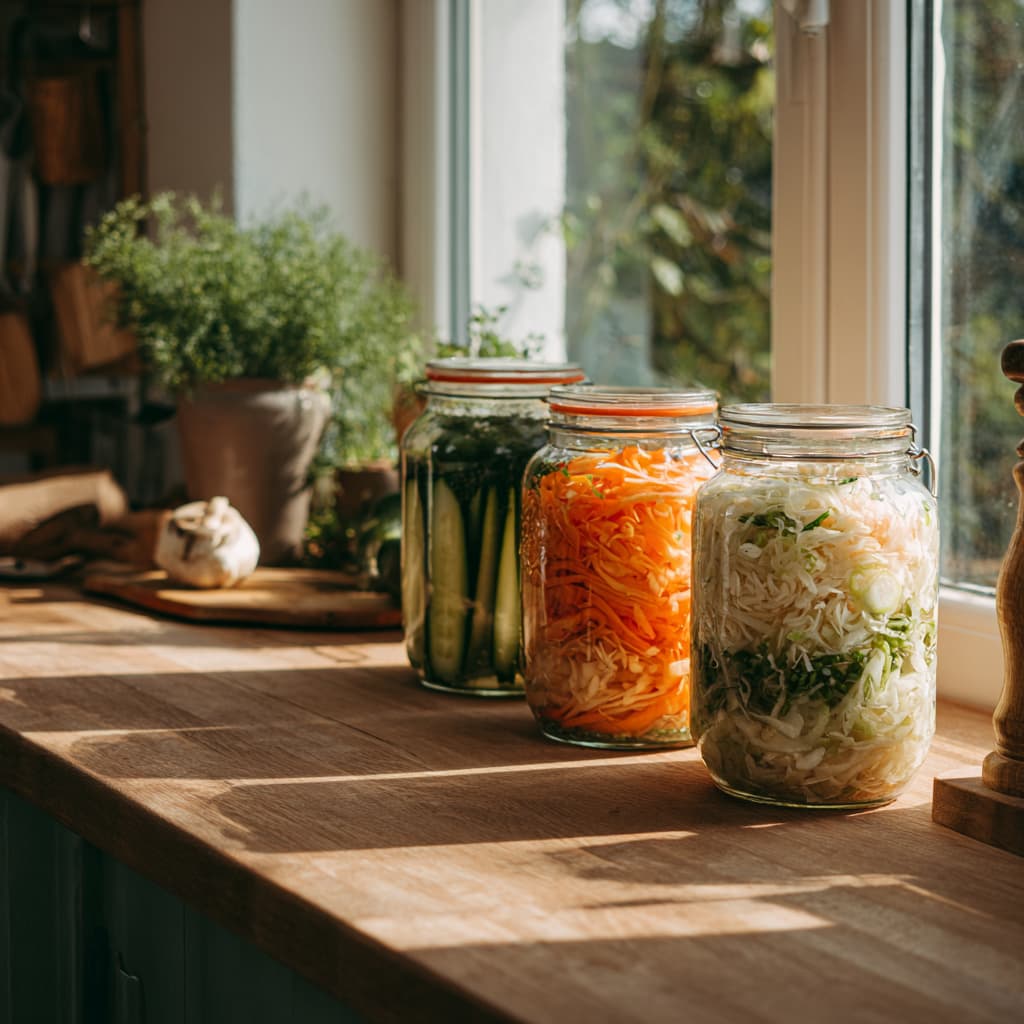

Fermented foods for gut health have been part of human diets for centuries, long before probiotics became a wellness trend. From traditional pickles and sauerkraut to yogurt and kefir, fermentation was once a simple way to preserve food, and, unknowingly, to support digestion and overall health.
Today, science is rediscovering what many cultures have always known: fermented foods nourish the gut microbiome, support digestion, and help maintain balance in the body. These living foods don’t require complicated routines or supplements. Often, they start with basic ingredients, time, and patience.
In this article, we’ll explore how fermented foods support gut health, why traditional fermentation still matters, and how you can prepare simple fermented recipes at home, safely and gently.
Jump to the recipesExplore our full Natural Remedies library for additional support.
What Are Fermented Foods?
Fermented foods are created through a natural process in which beneficial microorganisms, such as bacteria and yeast, break down sugars and starches in food. This process not only preserves the food but also transforms it, enhancing both its nutritional value and digestibility.
During fermentation, these microorganisms produce organic acids, enzymes, and sometimes beneficial compounds like probiotics. This is what gives fermented foods their distinctive tangy flavor and makes them easier for the digestive system to process.
It’s important to make a distinction between true fermentation and simple pickling.
- Fermented foods rely on naturally occurring bacteria and time. No vinegar is added at the start.
- Quick pickles, on the other hand, are preserved using vinegar and heat. While tasty, they do not offer the same probiotic benefits.
Common examples of fermented foods include:
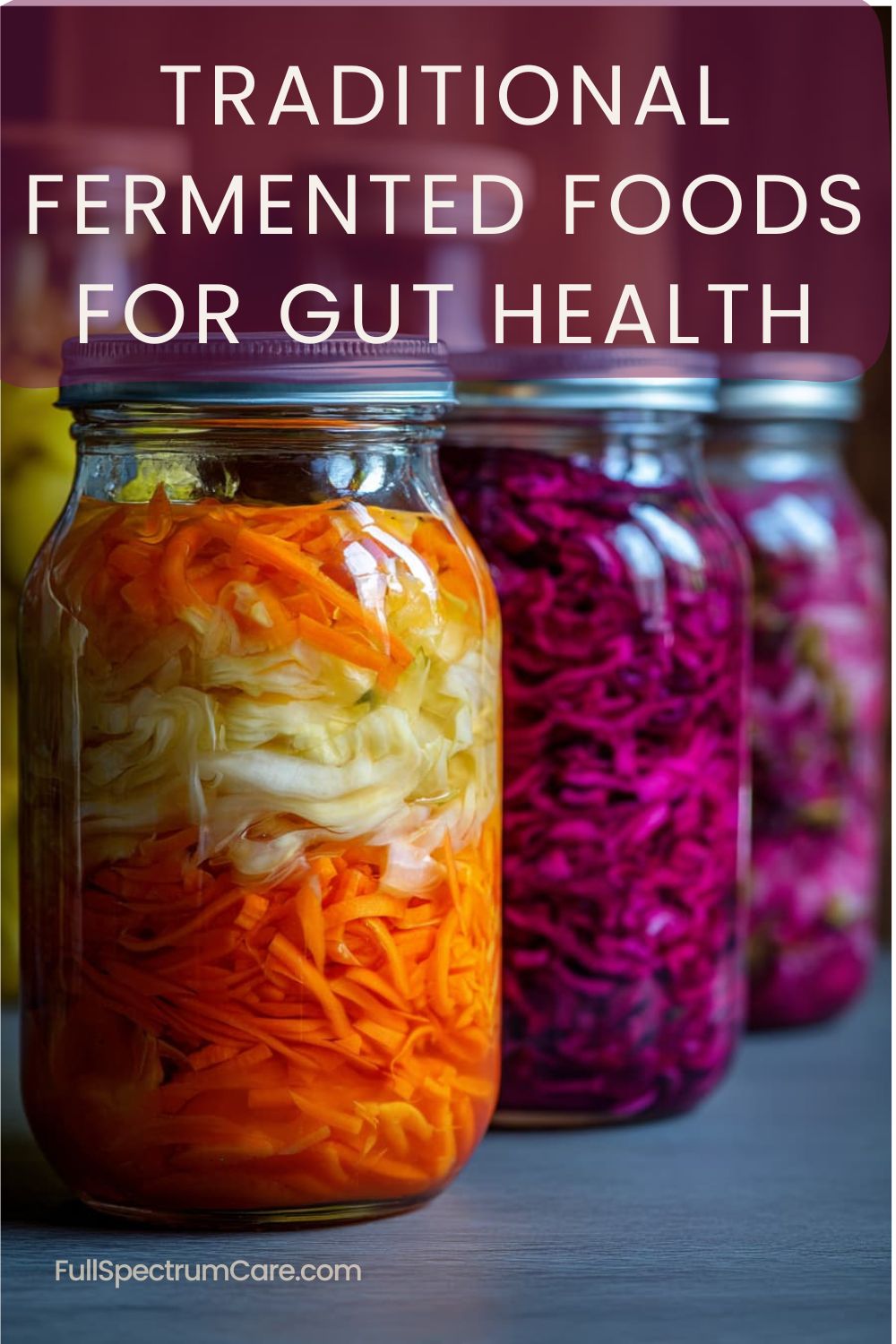
- sauerkraut and naturally fermented pickles
- kimchi
- yogurt and kefir
- fermented vegetables such as carrots, cabbage, and beets
These foods are considered “living foods” when they are unpasteurized, meaning they still contain active cultures that can support gut health.
Fermentation is a slow, gentle process, one that works with nature rather than against it. This simplicity is part of why fermented foods have remained a cornerstone of traditional diets across cultures.
Health Benefits of Fermented Foods for Gut Health
One of the main reasons fermented foods for gut health are gaining renewed attention is their positive effect on the gut microbiome, the diverse community of microorganisms living in the digestive tract. A balanced microbiome plays a key role in digestion, immunity, and even mental well-being.
Research from Harvard T.H. Chan School of Public Health highlights the role of fermented foods in supporting gut health and microbial diversity.
Supporting the Gut Microbiome
Fermented foods introduce beneficial bacteria into the gut while also creating an environment that supports existing microbes. This diversity helps maintain microbial balance, which is essential for healthy digestion and nutrient absorption.
Fermented foods play an important role in maintaining gut health and supporting digestive balance.
Improved Digestion and Nutrient Absorption
The fermentation process partially breaks down complex carbohydrates and fibers, making foods easier to digest. This can reduce bloating, gas, and digestive discomfort, especially when fermented foods are introduced gradually. Fermentation can also increase the availability of certain nutrients, such as B vitamins and minerals.
Strengthening the Immune System
A large portion of the immune system is connected to the gut. By supporting gut health, fermented foods may help strengthen immune defenses and reduce low-grade inflammation. Traditional diets rich in fermented foods often correlate with better immune resilience.
Gut–Brain Connection
Emerging research highlights the close relationship between the gut and the nervous system, often referred to as the gut–brain axis. A well-supported microbiome may contribute to improved mood regulation and stress response, making fermented foods a gentle ally for overall balance.
Because stress directly affects digestion, practices like breathwork can complement dietary approaches to gut health.
Fermented foods do not need to be consumed in large amounts to be beneficial. Even small, regular servings can support gut health over time, especially when paired with a diverse, whole-food diet.
Traditional Fermented Foods Around the World
Long before fermentation became a wellness trend, it was simply part of everyday life. Across cultures, people discovered that allowing foods to ferment not only preserved them, but also made them more nourishing and easier to digest. These traditions still shape how we understand fermented foods today.
Naturally Fermented Pickles and Sauerkraut
In many parts of Europe, especially Central and Eastern regions, fermented cabbage and vegetables were staples during colder months. Sauerkraut and naturally fermented pickles were made with just vegetables, salt, and time. Unlike vinegar-based pickles, these traditional versions develop beneficial bacteria through natural fermentation, supporting digestion and gut health.
Kimchi and Fermented Vegetables
In Korea, kimchi represents both nourishment and cultural identity. Made from fermented vegetables, garlic, ginger, and spices, kimchi offers a combination of probiotics and plant compounds that support digestion and immune function. Similar fermented vegetable dishes exist across Asia, often adapted to local ingredients and climates.
Yogurt and Kefir
Fermented dairy has been consumed for centuries in many regions, from the Balkans to the Middle East and Central Asia. Yogurt and kefir were traditionally valued for their ability to support digestion and provide nourishment even when fresh milk was harder to preserve. Kefir, in particular, contains a wider range of beneficial bacteria and yeasts.
What unites these traditions is not complexity, but consistency. Fermented foods were eaten regularly, in small amounts, as part of daily meals, not as supplements or short-term remedies. This gentle, habitual approach aligns closely with modern understandings of gut health and balance.
Alongside probiotic-rich foods, herbal teas for digestion can gently support bloating, indigestion, and overall digestive comfort.
Easy Homemade Fermented Recipes
Making fermented foods at home doesn’t require special equipment or complicated techniques. At its core, fermentation relies on fresh vegetables, salt, clean jars, and time. Traditionally, vegetables are fermented using two simple methods, both of which are effective and widely used.

Two Traditional Ways to Ferment Vegetables
1. Dry Salting (Fermenting in Natural Juices)
This method is most commonly used for cabbage and sauerkraut. Salt draws out the natural juices of the vegetables, creating an environment where beneficial bacteria can thrive, without adding water.
2. Salt Brine Method (Fermenting in Salted Water)
This method is especially suitable for mixed vegetables, carrots, cucumbers, and traditional pickles. Vegetables are submerged in a saltwater brine, which creates a stable and gentle fermentation environment.
Both methods support natural fermentation and can be chosen based on the type of vegetables and personal preference.
Salt Brine Method (Beginner-Friendly Master Recipe)
You’ll need:
- fresh vegetables (carrots, cucumbers, cabbage, beets, or a mix)
- non-iodized salt (sea salt or pickling salt)
- clean glass jar
- filtered water
Basic method:
- Dissolve 30–40 grams of salt per 1 liter of water to create a brine.
- Place chopped or whole vegetables into a clean glass jar.
- Pour the brine over the vegetables, ensuring they are fully submerged.
- Use a weight or small glass jar if needed to keep vegetables below the surface.
- Cover loosely and ferment at room temperature for 3–7 days, tasting occasionally.
- Once fermented to your liking, seal the jar and store it in the refrigerator.
This method creates a naturally probiotic food that gently supports digestion and gut health.
Simple Sauerkraut (Dry Salting Method)
Sauerkraut is one of the simplest fermented foods and an excellent place to start.
Ingredients:
- green or white cabbage
- sea salt
Shred the cabbage, sprinkle with salt, and massage until it releases enough liquid to cover itself. Pack tightly into a jar so the cabbage remains submerged in its own juices. Fermentation usually begins within a day, developing a pleasantly tangy flavor over time.
Mild Fermented Carrots or Cucumbers
For a lighter, less sour ferment:
- Slice vegetables into sticks or rounds
- Use the salt brine method
- Add optional spices like garlic, dill, or mustard seeds
- Ferment for 2–5 days for a gentle flavor
These vegetables are ideal for those new to fermented foods and are easy to incorporate into daily meals.
Homemade fermented foods don’t need to be perfect. Each batch may vary slightly, and that’s part of the process. With time, fermentation becomes less about precise measurements and more about observation and intuition.
Tips for Safe Fermentation at Home
Fermentation is a natural and generally safe process when a few basic principles are followed. These guidelines apply to both fermentation methods, remember that whether vegetables ferment in their own juices or in a salt brine, the same safety rules apply.
Keep Vegetables Fully Submerged
Vegetables should always remain below the surface of liquid, either their own juices or the salt brine. This creates an oxygen-free environment that supports beneficial bacteria and prevents unwanted mold growth.
Use Clean Jars and Utensils
Cleanliness matters. Wash jars, lids, and utensils thoroughly before starting to avoid introducing unwanted microorganisms into the fermentation process.
Watch for Natural Signs of Fermentation
Bubbles, cloudiness in the liquid, and a pleasantly sour smell are normal signs of active fermentation. These indicate that beneficial bacteria are doing their work.
Know When to Discard
If you notice fuzzy mold, strong unpleasant odors, or slimy textures that don’t disappear after rinsing, it’s best to discard the batch and start fresh.
Store Properly Once Fermented
When the flavor feels right, move the jar to the refrigerator, where the fermentation slows and the vegetables stay fresh longer.
This step applies to both dry-salted and brine-fermented vegetables and helps preserve flavor and texture.
Fermentation doesn’t require perfection, just attention and care. With experience, these safety steps become second nature.
Who Should Be Careful with Fermented Foods
Fermented foods are generally well tolerated, but like any powerful food, they may not suit everyone in the same way, especially at first. Listening to the body and starting gently is always the best approach.
People who are new to fermented foods may experience mild bloating or digestive changes in the beginning. This is often temporary and can be minimized by starting with very small portions and increasing gradually.
Those with sensitive digestion, histamine intolerance, or certain gastrointestinal conditions may need to be more cautious. Fermented foods are naturally high in bioactive compounds, which can sometimes trigger symptoms in sensitive individuals. In these cases, smaller amounts or shorter fermentation times may be better tolerated.
If you are managing a medical condition or following a specific dietary protocol, it’s always wise to introduce fermented foods mindfully and observe how your body responds.
Fermentation is not about pushing the body, it’s about supporting balance.
Fermented foods for gut health don’t need to be complicated or consumed in large quantities to be effective. Small, regular servings—prepared with care and enjoyed mindfully—can support digestion, nourish the gut microbiome, and reconnect us with time-honored food traditions.
Whether it’s a spoonful of sauerkraut, a few fermented carrots, or a simple homemade pickle, fermentation invites patience and presence into everyday meals. These living foods remind us that nourishment often comes from simple processes, slow rhythms, and trusting nature to do its work.