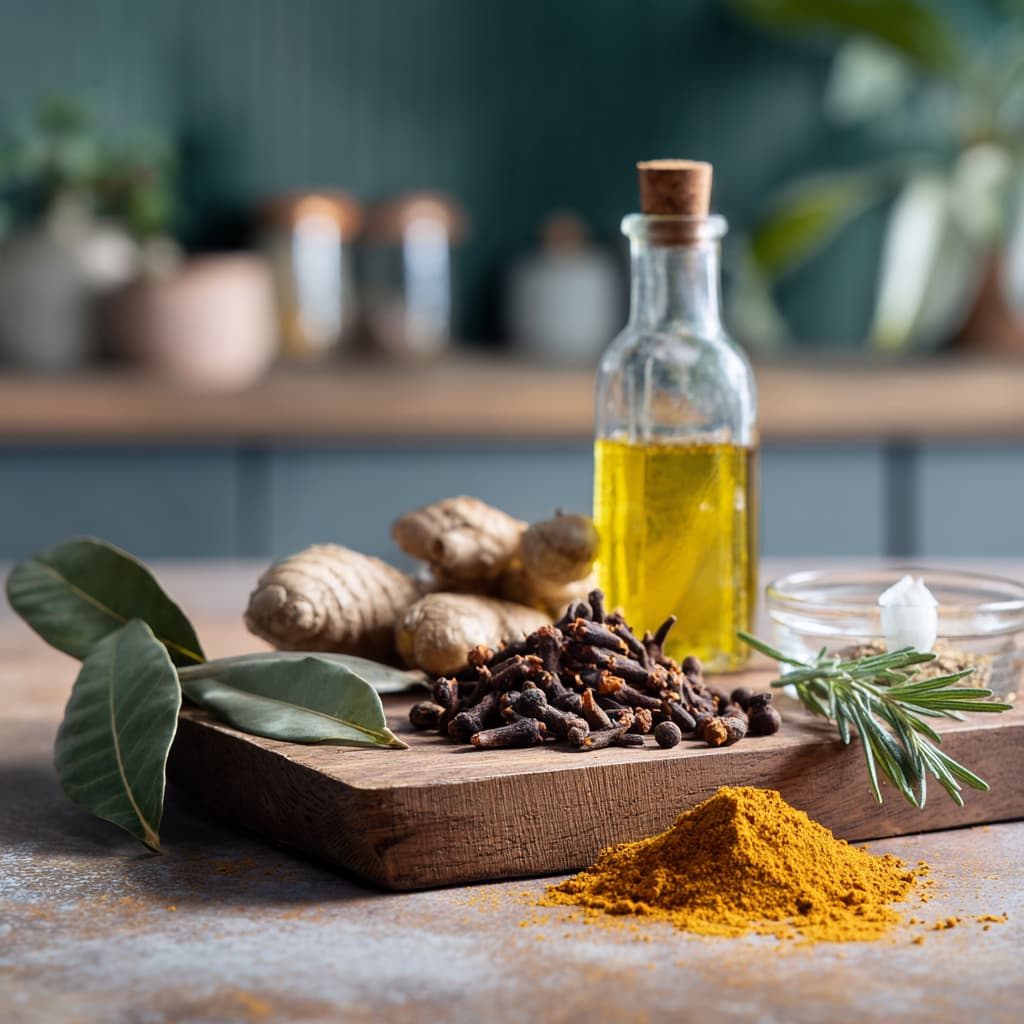

Muscle tension, joint stiffness, and everyday aches are a common part of modern life, whether caused by physical work, stress, long hours of sitting, or seasonal changes. For generations, people have turned to natural pain relief balms and oils as gentle, effective ways to soothe discomfort and support the body’s natural healing response.
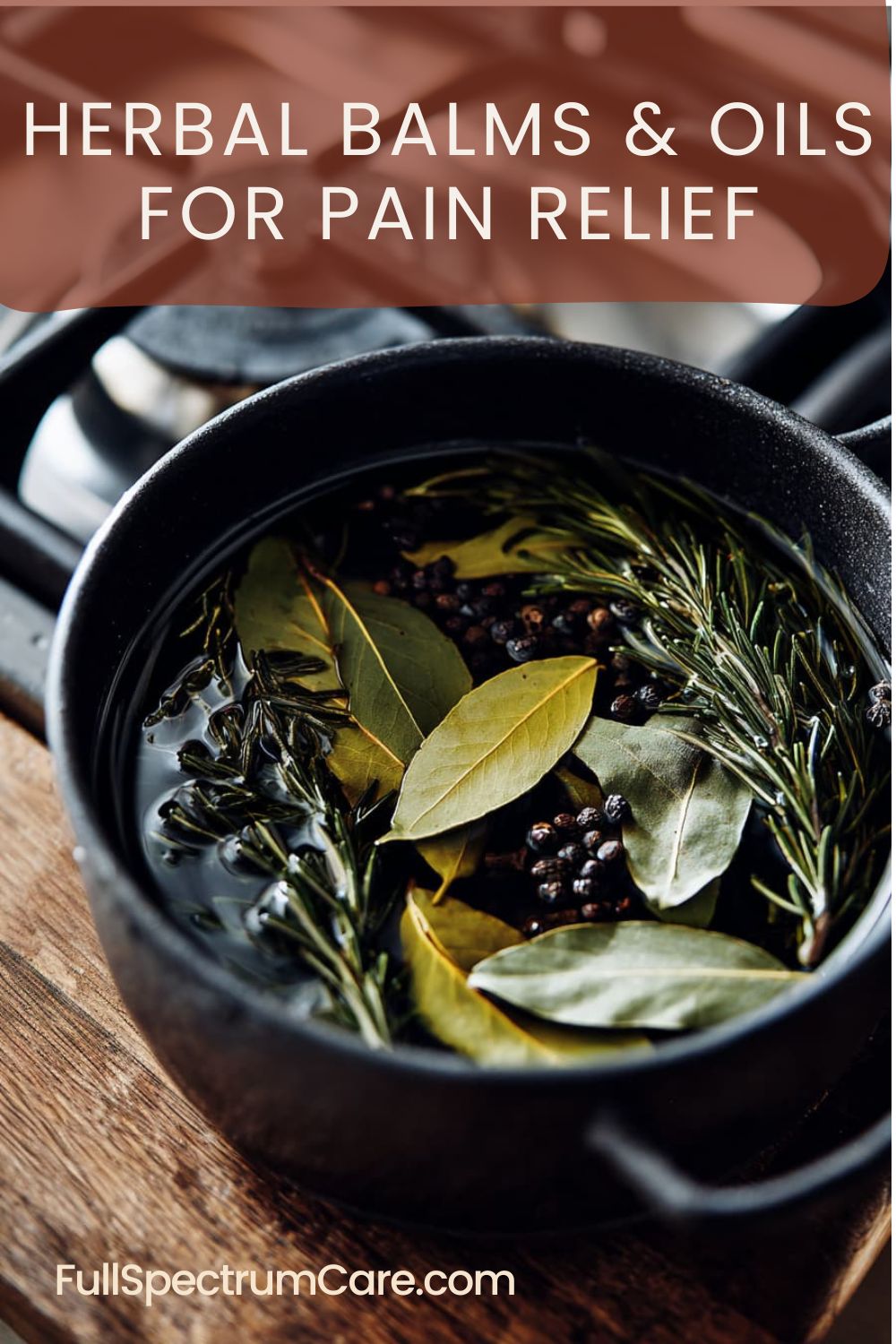
Long before commercial creams and sprays existed, herbal pain relief balms and infused oils were prepared at home using simple ingredients like olive oil, rosemary, bay leaves, and warming spices. These traditional remedies were used to ease sore muscles, calm joint pain, and improve circulation, all through local, targeted application.
Explore our full Natural Remedies library for additional support.
Today, homemade remedies such as DIY herbal pain oil and homemade pain relief balms continue to be valued for their simplicity and versatility. Made with just a few herbs and quality carrier oils, they fit naturally into a mindful, holistic approach to self-care. Whether used for massage, evening rituals, or post-activity recovery, these preparations offer comforting support for everyday aches and stiffness.
Why Herbal Balms & Oils Work for Pain Relief
Natural pain relief balms and oils work by supporting the body exactly where discomfort occurs. Unlike internal remedies, topical applications allow herbs and oils to act locally, making them especially helpful for muscle soreness, joint stiffness, and tension-related pain.
Here’s why herbal pain relief balms and oils are so effective:
Localized Relief
When applied directly to the skin, herbal oil for muscle pain delivers active plant compounds to the affected area. This targeted approach helps soothe tension and stiffness without placing additional stress on the body.
Improved Circulation
Many traditional natural remedies for joint pain rely on gently warming herbs. Massaging infused oils into the skin encourages blood flow, which supports muscle relaxation and helps reduce stiffness over time.
Anti-Inflammatory Support
Herbs commonly used in homemade pain relief balms contain natural compounds that help calm inflammation, a key contributor to joint discomfort and muscle soreness.
You may also enjoy these natural anti-inflammatory remedies you can make at home for daily wellness.
Muscle Relaxation Through Touch
Massage enhances the effects of DIY herbal pain oil by helping release tight muscles and nervous tension. Combined with warming oils, it creates a deeply relaxing and supportive experience.
Massage with herbal oils may also help release tension-related discomfort. For gentle internal options, explore these soothing natural remedies for headaches.
Skin Nourishment & Protection
Carrier oils such as olive oil not only extract herbal properties but also nourish and protect the skin, allowing natural pain relief balms and oils to stay effective longer while supporting skin health.
Used consistently, these herbal preparations offer a gentle, natural way to manage everyday aches as part of a regular self-care routine.
Herbal balms and oils can also be helpful for cyclical discomfort. You may find these soothing natural remedies for menstrual pain useful as part of a gentle, holistic approach to monthly aches.
Key Herbs & Oils Traditionally Used for Pain Relief
The effectiveness of natural pain relief balms and oils lies in the thoughtful combination of herbs and carrier oils. Across different traditions, specific plants have been used to ease muscle tension, calm joint discomfort, and support circulation, especially when infused into oils for topical use.
Below are some of the most commonly used ingredients in herbal pain relief balms and DIY herbal pain oils, including both classic household staples and time-tested medicinal herbs.
Rosemary (Rosmarinus officinalis)
Rosemary is one of the most widely used herbs in herbal oil for muscle pain. Known for its warming and stimulating properties, it helps improve circulation and relieve stiffness.
Traditionally used for:
- joint pain and stiffness
- sore muscles
- poor circulation
Rosemary-infused oil is especially helpful for massage and evening pain-relief rituals.
Bay Leaf (Laurus nobilis)
Bay leaf has a long history of use in natural remedies for joint pain. It contains compounds traditionally valued for their anti-inflammatory and calming effects.
Traditionally used for:
- joint discomfort
- rheumatic pain
- muscle stiffness
Bay leaf pairs beautifully with rosemary in homemade pain relief balms.
Clove (Syzygium aromaticum)
Clove is a powerful warming spice often included in natural pain relief balms and oils. It contains eugenol, a compound known for its analgesic properties.
Traditionally used for:
- localized pain
- sore joints
- muscle aches
Because of its intensity, clove is best used in small amounts and well diluted.
Ginger Root
Ginger is a classic warming herb frequently found in DIY herbal pain oil recipes. Its heat-producing nature helps relax tight muscles and increase blood flow.
Traditionally used for:
- muscle soreness
- stiffness from cold or inactivity
- post-exercise discomfort
Ginger-infused oil works especially well in colder seasons.
Turmeric Root
Turmeric is valued for its strong anti-inflammatory properties and is often added to herbal pain relief balms for joint support.
Traditionally used for:
- joint inflammation
- chronic stiffness
- slow recovery
Turmeric pairs well with warming herbs like ginger and black pepper.
Arnica (External Use Only)
Arnica is a well-known herb in herbal oil for muscle pain, commonly used in balms and salves.
Traditionally used for:
- bruises
- muscle soreness
- overworked joints
Arnica should always be used externally and never on broken skin.
According to Cleveland Clinic, arnica has been traditionally used in topical preparations to support relief from muscle soreness, bruises, and joint discomfort when applied externally.
Cayenne Pepper (Capsicum)
Cayenne is a potent warming ingredient sometimes used in natural pain relief balms and oils to stimulate circulation.
Traditionally used for:
- deep muscle pain
- cold-related stiffness
- chronic joint discomfort
Only small amounts are needed, and sensitive skin should be tested carefully.
Olive Oil (Carrier Oil)
Olive oil is one of the most traditional bases for homemade pain relief balms. It extracts herbal compounds effectively while nourishing the skin.
Benefits:
- deeply moisturizing
- rich in antioxidants
- suitable for long infusions
Coconut Oil
Coconut oil is often used in DIY herbal pain oil blends and balms for its soothing texture and mild antimicrobial properties.
Best for:
- dry skin
- balm recipes
- cooling or neutral blends
Castor Oil
Castor oil is thicker and often included in herbal pain relief balms designed for joint support.
Traditionally used for:
- joint stiffness
- deep massage
- compresses
Beeswax (for Balms)
Beeswax is essential for turning infused oils into natural pain relief balms.
Why it’s used:
- creates a protective barrier
- extends contact time on the skin
- adds structure to balms
Essential Oils (Optional Enhancers)
Essential oils are often added in small amounts to herbal pain relief balms and oils for enhanced effects.
Common choices include:
- Peppermint: cooling, soothing
- Lavender: calming, muscle-relaxing
- Eucalyptus: refreshing, circulation-supporting
Always dilute essential oils properly and patch-test before use.
A Note on Combining Ingredients
The most effective natural pain relief balms and oils often combine:
- a warming herb
- an anti-inflammatory plant
- a nourishing carrier oil
This balanced approach allows each ingredient to support the others, creating a gentle yet effective remedy for everyday aches and stiffness.
DIY Herbal Pain Relief Recipes (Oils & Balms)
Homemade natural pain relief balms and oils allow you to tailor each remedy to your specific needs, whether you’re dealing with sore muscles, stiff joints, or everyday tension. Below are simple, time-tested recipes using herbs traditionally valued for pain relief and circulation support.
Each recipe includes guidance on what it’s best for and how often to use it, so you can choose what fits your body and routine.
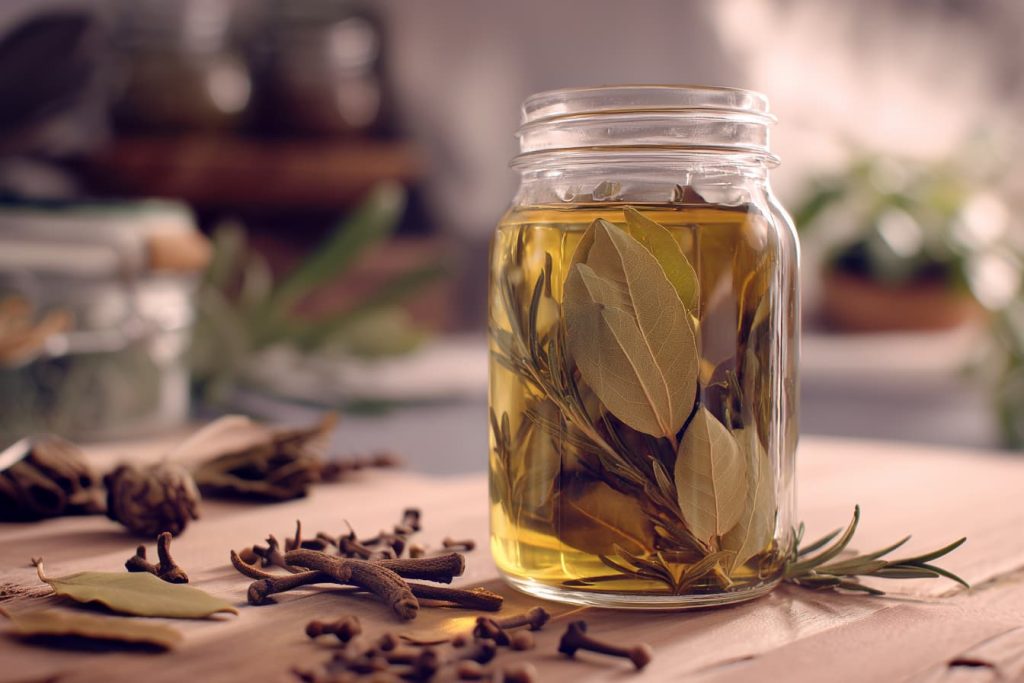
Recipe 1: Rosemary, Bay Leaf & Clove Pain Relief Oil
Best for:
- joint stiffness
- muscle aches
- cold-related pain
- evening massage
Why it works:
This classic combination brings together rosemary’s circulation-boosting properties, bay leaf’s anti-inflammatory support, and clove’s natural warming effect. Olive oil acts as a nourishing carrier that extracts and delivers these benefits directly to the skin.
Ingredients:
- 1 cup olive oil
- 2–3 sprigs fresh rosemary (or 2 tbsp dried)
- 3–4 dried bay leaves
- 1 tsp whole cloves
Instructions:
- Place the herbs and cloves in a clean glass jar.
- Cover completely with olive oil.
- Seal and place in a warm, dark spot for 2–3 weeks, shaking gently every few days.
Quick method: Gently heat the mixture in a double boiler on very low heat for 1–2 hours. - Strain and store the oil in a dark glass bottle.
How to use:
Massage into sore areas 1–2 times daily or before bed.
Recipe 2: Herbal Pain Relief Balm (Oil-to-Balm Method)
Best for:
- localized pain
- joints and knees
- hands, wrists, shoulders
Why it works:
Turning infused oil into a balm helps it stay longer on the skin, making it ideal for targeted relief.
Ingredients:
- 1 cup herbal-infused oil (from Recipe 1 or similar)
- 2–3 tbsp beeswax pellets
- Optional: 10–15 drops lavender or peppermint essential oil
Instructions:
- Melt beeswax gently in a double boiler.
- Add infused oil and stir until fully combined.
- Remove from heat and add essential oils if using.
- Pour into tins or glass jars and allow to cool.
How to use:
Apply a small amount to affected areas up to 3 times daily.
Recipe 3: Warming Herbal Muscle Oil
Best for:
- muscle soreness
- post-workout recovery
- cold weather stiffness
Why it works:
Ginger and cayenne increase warmth and circulation, helping tight muscles relax more quickly.
Ingredients:
- 1 cup olive or coconut oil
- 1 tbsp dried ginger root
- ½ tsp cayenne pepper
Instructions:
Infuse gently using the warm method (1–2 hours on low heat), strain, and store.
How to use:
Massage sparingly into muscles. Avoid sensitive areas.
Recipe 4: Cooling Joint Relief Balm
Best for:
- inflamed joints
- swelling
- overworked knees or ankles
Why it works:
Cooling herbs and oils help calm inflammation and provide soothing relief.
Ingredients:
- 1 cup infused oil (arnica or rosemary-based)
- 2 tbsp beeswax
- 10 drops peppermint essential oil
- 10 drops eucalyptus essential oil
Instructions:
Follow the balm-making steps from Recipe 2.
How to use:
Apply as needed, especially after physical activity.
Recipe 5: Simple Daily Pain Relief Oil
Best for:
- sensitive skin
- daily maintenance
- mild discomfort
Why it works:
A gentle blend suitable for frequent use without irritation.
Ingredients:
- ½ cup olive oil
- ½ cup coconut oil
- 1 tbsp dried rosemary
Instructions:
Infuse using the warm method, strain, and store.
How to use:
Use daily as a massage oil or after bathing.
Choosing Between Oils and Balms
- Oils absorb faster and are ideal for massage and larger areas.
- Balms stay on the skin longer and work best for joints and targeted spots.
Both forms of herbal pain relief balms and oils can be rotated depending on your needs and the season.
Which Herbal Balm or Oil Should You Choose?
With so many natural pain relief balms and oils available, the best choice depends on the type of discomfort you’re experiencing and how you prefer to use your remedies. Instead of applying everything at once, selecting one or two targeted preparations often brings the best results.
If you’re dealing with muscle soreness or tension, especially after physical activity or long days of sitting, a warming herbal oil is an excellent starting point. Oils infused with rosemary, ginger, or a small amount of cayenne help improve circulation and relax tight muscles through gentle heat and massage.
For joint stiffness or chronic discomfort, a herbal pain relief balm tends to work better. Balms stay on the skin longer and provide more sustained support, making them ideal for knees, hands, shoulders, and lower back. Ingredients like bay leaf, arnica, and rosemary are especially helpful in these cases.
If your discomfort feels inflamed, swollen, or irritated, a cooling balm or oil may be more suitable. Peppermint and eucalyptus essential oils offer a refreshing sensation that helps calm overworked joints and tissues.
Those with sensitive skin or mild, everyday aches may prefer a simple daily pain relief oil made with gentle herbs and nourishing carrier oils. These blends are suitable for regular use and integrate easily into evening self-care routines.
Ultimately, herbal pain relief balms and oils work best when matched to your body’s needs and used consistently. Listening to how your body responds will guide you toward the right combination over time.
If you enjoy using simple herbal remedies at home, you might also like this DIY herbal salve recipe for cuts, burns, and bruises, a practical addition to any natural first-aid kit.
Safety & Precautions When Using Herbal Pain Relief Balms and Oils
While natural pain relief balms and oils are generally gentle and well tolerated, it’s important to use them mindfully and with care.
Patch Testing
Always perform a patch test before using a new herbal oil or balm. Apply a small amount to the inner arm and wait 24 hours to check for irritation, especially when using warming herbs or essential oils.
Essential Oil Use
Essential oils are highly concentrated and should always be properly diluted. Avoid using them on broken skin, and keep amounts low, especially with strong oils like clove, peppermint, or eucalyptus.
Sensitive Skin & Allergies
If you have sensitive skin or known allergies, choose simpler recipes with fewer ingredients. Avoid cayenne, clove, or arnica if you’ve reacted to them before.
Pregnancy & Medical Conditions
Some herbs and essential oils may not be suitable during pregnancy or for individuals with certain medical conditions. When in doubt, consult a qualified healthcare professional before use.
External Use Only
These remedies are intended for external use only. Do not apply to open wounds, infected skin, or severe injuries.
When to Seek Medical Advice
Herbal remedies are best suited for mild to moderate discomfort. If pain is severe, persistent, or worsening, professional medical evaluation is essential.
Natural pain relief balms and oils offer a gentle, practical way to support the body through everyday aches and tension. When chosen thoughtfully and used consistently, these herbal preparations can become a simple part of a mindful self-care routine. Start with one blend that fits your needs and allow time for both the herbs and the ritual itself to work.
FAQ – Natural Pain Relief Balms & Oils
What are natural pain relief balms and oils used for?
Natural pain relief balms and oils are used to ease muscle soreness, joint stiffness, tension, and everyday aches. They work locally by supporting circulation, calming inflammation, and relaxing tight muscles through massage and herbal compounds.
Are herbal pain relief balms safe to use daily?
Yes, most herbal pain relief balms and oils are safe for regular use when made with gentle ingredients and properly diluted essential oils. People with sensitive skin should start with simpler blends and always perform a patch test first.
What is the difference between a herbal balm and a pain relief oil?
Pain relief oils absorb quickly and are ideal for massage and larger areas of the body. Herbal balms are thicker, stay on the skin longer, and are better suited for targeted areas like joints, knees, or hands.
How long does it take for herbal balms and oils to work?
Some people feel relief immediately due to warmth and massage, while others notice gradual improvement with consistent use over several days or weeks. Herbal remedies work best as part of a regular self-care routine.
Can I use herbal pain relief balms for joint pain?
Yes, many natural remedies for joint pain use herbs like rosemary, bay leaf, arnica, and ginger. Balms are especially effective for joints because they provide longer-lasting contact with the skin.
Are these herbal remedies suitable for sensitive skin?
They can be, but sensitive skin types should avoid strong warming ingredients like cayenne or clove and choose mild oils with fewer herbs. A patch test is always recommended before full application.
Can I use herbal pain relief balms during pregnancy?
Some herbs and essential oils may not be suitable during pregnancy. It’s best to avoid strong essential oils and consult a healthcare professional before using any topical herbal remedies while pregnant.