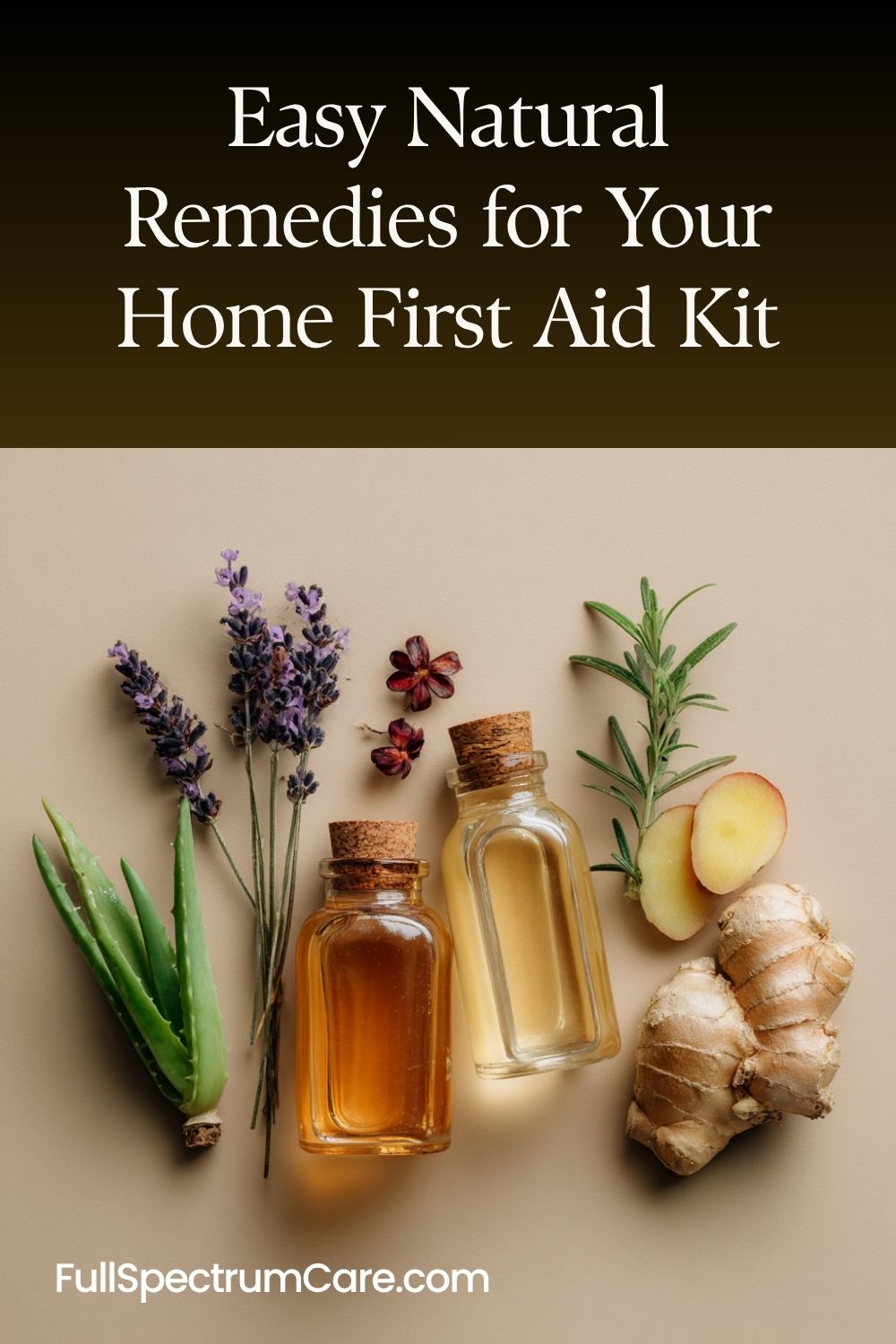

These natural first aid remedies are simple, affordable, and often already in your kitchen. They’re perfect for building your own at-home remedies for minor injuries that don’t require a trip to the pharmacy. In this article, we’ll walk you through five easy-to-find natural ingredients that can help with cuts, burns, insect bites, nausea, and more.
Explore our full Natural Remedies library for additional support.
1. Aloe Vera – Soothing Relief for Burns and Skin Irritations
Aloe vera is one of nature’s most versatile healing plants. Its gel, found inside the thick green leaves, is packed with vitamins (A, C, E, B12), enzymes, and polysaccharides that soothe and support skin regeneration.
What It’s Good For:
- Minor burns and sunburns: Aloe cools the skin and accelerates healing by stimulating collagen production.
- Insect bites and rashes: Its anti-inflammatory and antimicrobial properties reduce redness, itching, and swelling.
- Dry or chapped skin: Hydrates deeply without leaving an oily residue.
How to Use It:
- Slice a fresh aloe vera leaf, scoop out the gel, and apply it directly to the affected area.
- Store extra gel in the fridge for 1–2 days, or use a high-quality bottled aloe vera gel (look for one with minimal additives).
- Apply 2–3 times a day as needed for relief.
Caution:
- Do a patch test before using it on larger areas, especially if you have sensitive skin.
- Avoid using aloe on deep open wounds or severe burns without medical advice.
2. Honey – Nature’s Antiseptic & Soothing Agent
Raw honey is more than just a natural sweetener — it’s a powerful remedy with antibacterial, anti-inflammatory, and wound-healing properties. Rich in enzymes, antioxidants, and natural hydrogen peroxide, honey has been used in traditional medicine for centuries.
What It’s Good For:
- Minor cuts and abrasions: Helps prevent infection and speeds up healing by creating a protective, moist environment.
- Sore throat and dry cough: Soothes irritation and may reduce inflammation in the throat.
- Chapped lips or dry skin patches: Acts as a natural humectant, drawing moisture into the skin.
How to Use It:
- Apply a thin layer of raw honey directly to clean, dry wounds. Cover with sterile gauze and change daily.
- Mix 1 teaspoon with warm (not hot!) water or herbal tea for throat relief.
- For lips or dry skin, dab a bit on and leave for 10–15 minutes before rinsing off.
Caution:
- Use only raw, unfiltered honey (Manuka honey is a premium option for wounds).
- Never give honey to children under 1 year old due to the risk of botulism.
Boost your immunity with our soothing recipe for a Homemade Cold and Flu Syrup.
3. Apple Cider Vinegar – A Natural Antiseptic and Skin Soother
Apple cider vinegar (ACV), especially when raw and unfiltered, contains acetic acid, enzymes, and beneficial bacteria that make it a powerful natural remedy for both skin and internal concerns. It’s been used in folk medicine for everything from bug bites to digestive support.
What It’s Good For:
- Insect bites and skin irritations: ACV helps neutralize itchiness and reduces inflammation.
- Mild fungal infections or foot odor: Its antifungal properties can restore skin balance.
- Scalp issues like dandruff or buildup: Helps to rebalance scalp pH and calm itching.
How to Use It:
- For bites or itchy skin, mix equal parts ACV and water. Apply with a cotton ball or cloth to affected areas.
- For foot soak, add 1/2 cup of ACV to a basin of warm water and soak for 15–20 minutes.
- As a scalp rinse, dilute 2 tablespoons of ACV in 1 cup of water and pour over scalp after shampooing.
Caution:
- Always dilute before applying to skin to avoid burns or stinging.
- Avoid using on open wounds or very sensitive areas.
- May cause irritation if used undiluted or too frequently.
For cuts, burns, or bruises, a DIY Herbal Salve can speed healing the natural way.
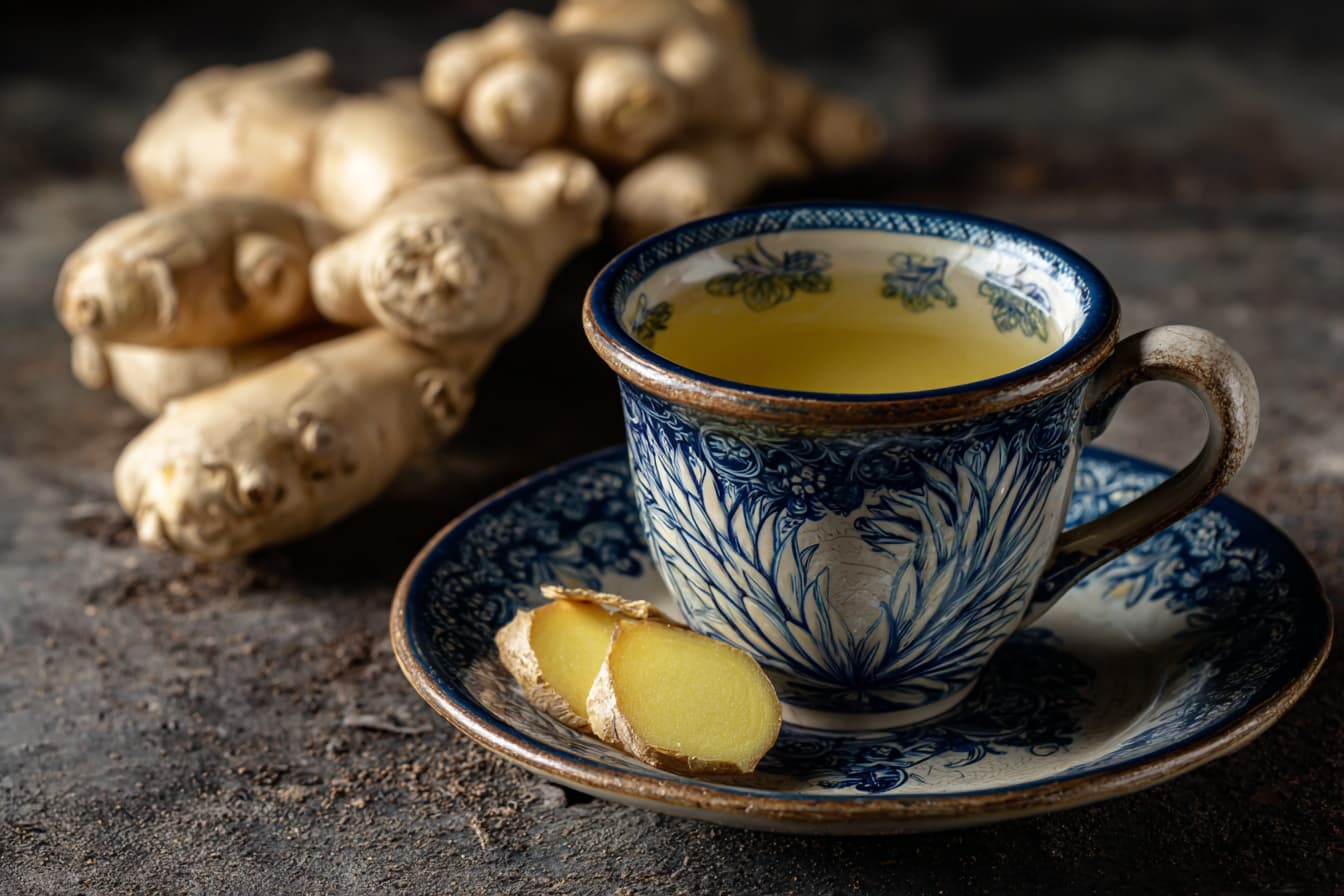
4. Ginger – Warming Relief from Within
Ginger root (Zingiber officinale) is a potent natural remedy with anti-inflammatory, antioxidant, and digestive-supporting properties. It’s been used for centuries in Ayurveda and traditional Chinese medicine for a wide range of internal ailments.
What It’s Good For:
- Nausea and motion sickness: One of the most effective natural options for calming the stomach.
- Cold and flu symptoms: Helps reduce sore throat, congestion, and inflammation.
- Menstrual cramps or muscle pain: Ginger may reduce prostaglandins, compounds linked to pain and swelling.
How to Use It:
- Ginger tea: Slice 3–4 thin pieces of fresh ginger and simmer in 2 cups of water for 10–15 minutes. Add honey or lemon if desired.
- Quick chew remedy: Chew a small piece of raw ginger or ginger candy for travel-related nausea.
- Topical relief (optional): Warm ginger compresses may help with localized pain (e.g. menstrual cramps).
Caution:
- Avoid large quantities if you’re on blood-thinners or have gallbladder issues.
- May cause mild heartburn in sensitive individuals, best taken with food.
For long-term wellness support, discover these natural anti-inflammatory remedies you can make at home.
5. Lavender Essential Oil – Calming Care for Body and Mind
Lavender essential oil (Lavandula angustifolia) is a true multitasker. With its gentle scent and broad therapeutic properties, it’s a staple in natural first aid for both physical and emotional relief. Lavender oil is known for being anti-inflammatory, antimicrobial, and deeply calming to the nervous system.
What It’s Good For:
- Insect bites and minor burns: Soothes irritation and reduces inflammation.
- Headaches and tension: Promotes relaxation and eases stress-related symptoms.
- Trouble sleeping or anxiety: Its scent supports nervous system balance and deeper rest.
How to Use It:
- For skin application, dilute 2–3 drops of essential oil in 1 tablespoon of carrier oil (like sweet almond or jojoba) and apply to affected areas.
- Add to a diffuser or inhale directly for calming effects during moments of anxiety or before bed.
- Place 1–2 drops on a cotton pad and keep it near your pillow for sleep support.
Caution:
- Always dilute essential oils before applying to skin.
- Avoid contact with eyes and mucous membranes.
- Not recommended for use on infants without medical guidance.
By including a few of these herbal first aid solutions in your daily care routine, you can feel more empowered to handle everyday health hiccups the natural way. Natural first aid remedies are not a substitute for professional medical care, but can help manage everyday mishaps in a gentle, holistic way.
Long-term wellness starts from within. Learn how to support your body naturally through better digestion in Gut Health: 10 Natural Ways to Support Your Microbiome.
Basic first aid knowledge is essential for everyday situations, and trusted sources like the Mayo Clinic emphasize the importance of being prepared with simple, effective first aid solutions.
FAQ – natural first aid remedies
Q1: Can I use natural remedies instead of conventional medicine?
A: Natural remedies can be helpful for mild issues like small cuts, sore throats, or minor skin irritations. However, they should not replace professional medical treatment for serious or persistent conditions. Always consult a healthcare provider when in doubt.
Q2: Is it safe to use essential oils directly on the skin?
A: Essential oils should always be diluted with a carrier oil before topical use. Applying undiluted oils can cause irritation or allergic reactions, especially on sensitive skin.
Q3: What should I include in a natural first aid kit?
A: A good natural kit might include aloe vera gel, raw honey, apple cider vinegar, ginger tea, lavender essential oil, chamomile tea bags, and a clean carrier oil (like coconut or almond). Make sure to store them properly and check expiration dates.